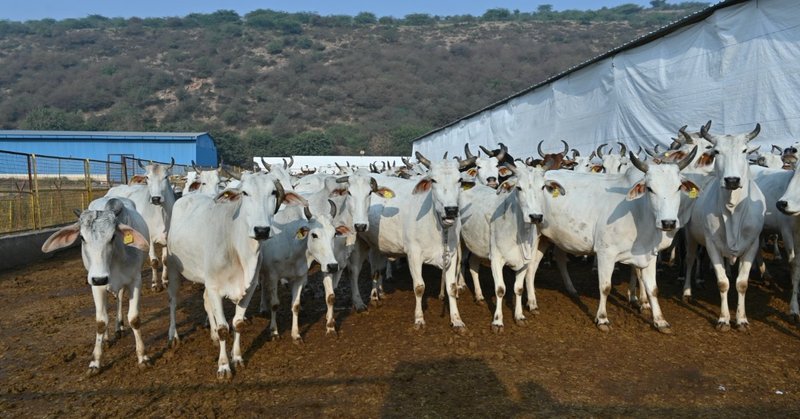

A recent scandal in Rajasthan reveals a massive Rs 57 crore cow grant scam involving false records and claims regarding dead cattle. The state’s Comptroller and Auditor General (CAG) report indicates widespread irregularities in the management of funds earmarked for cow conservation, marking another troubling instance of financial misappropriation in India.
Details of the Scam
The cow grant scam in Rajasthan has exposed alarming discrepancies in the utilization of funds allocated for the conservation of bovine species. According to the CAG report, government money was disbursed under the guise of supporting cattle, even when the animals were either deceased, missing, or did not exist in records at all. This revelation has startled citizens and raised questions about accountability and proper oversight in government schemes aimed at animal welfare.
Government Response and Accountability
In light of these findings, the Rajasthan government is urged to conduct a thorough investigation to ascertain the extent of the fraud. Critics have called for stringent measures to hold those responsible accountable. The scheme, intended to support and promote cow welfare, appears to have been exploited for financial gain, leading to erosion of public trust. Transparency in fund management will be crucial moving forward to restore faith in government initiatives aimed at animal conservation.
Political Implications
This scam comes against the backdrop of growing scrutiny on various state government programs in India, particularly those involving significant financial allocations. With political parties in Rajasthan already under pressure due to rising discontent over various issues like unemployment and inflation, this latest scandal adds another layer of complexity. It could potentially influence the political landscape in the lead-up to upcoming elections, as public sentiment is often swayed by allegations of corruption and mismanagement.
Why This Matters
The cow grant scam is emblematic of larger systemic issues within Indian bureaucracy and governance. The misuse of funds intended for animal welfare reflects a broader trend of corruption that undermines public welfare initiatives. For Indian readers, this incident raises critical questions about the effectiveness of state welfare programs and the need for robust systems that ensure checks and balances. As citizens become increasingly aware of such malpractices, the demand for accountability and reform could gain momentum, affecting future governance and electoral outcomes.
Frequently Asked Questions
What was the cow grant scam in Rajasthan?
The cow grant scam in Rajasthan refers to a fraudulent scheme involving the misappropriation of Rs 57 crore meant for cow conservation. The CAG report asserts that funds were allocated for deceased and missing cattle, highlighting major discrepancies in record-keeping.
How did the scam come to light?
The scam was unveiled in a report by the Comptroller and Auditor General (CAG) of Rajasthan, which detailed widespread irregularities in the management and disbursement of funds related to cow conservation initiatives.
What are the implications for the Rajasthan government?
The revelations surrounding the scam could have significant repercussions for the Rajasthan government, affecting public trust and potentially influencing voter sentiment in upcoming elections. Calls for accountability and reform are expected to intensify.
What steps are being taken to investigate the scam?
The state government is expected to initiate a thorough investigation into the allegations, with a focus on identifying individuals responsible for the fraudulent activities and ensuring proper mechanisms are in place for future governance.