
Summary
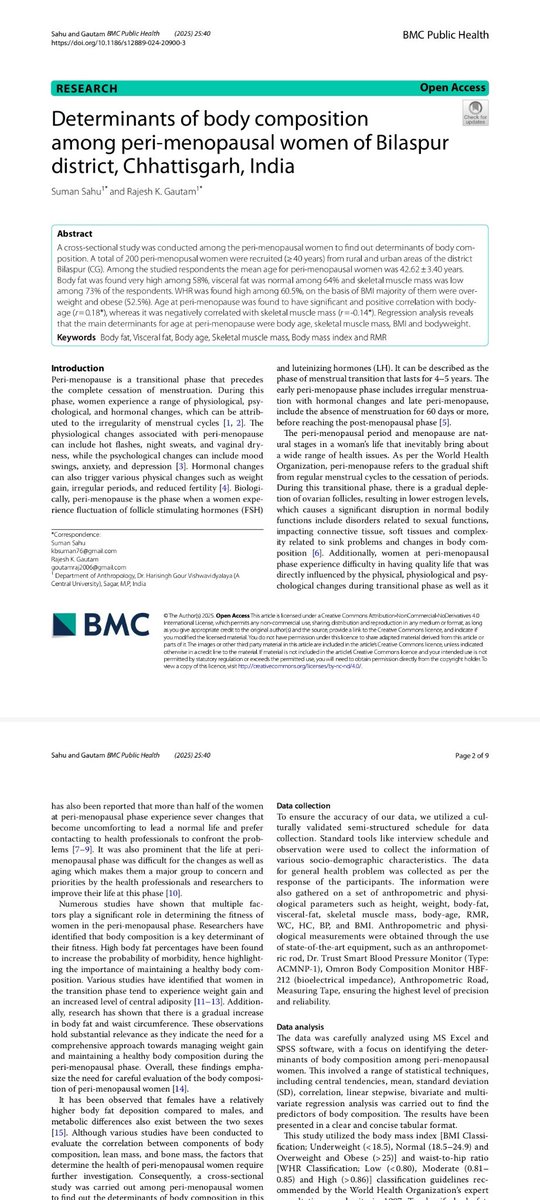
Recent research from Hari Singh Gour Central University in Sagar, Madhya Pradesh, has revealed that private hospitals in Chhattisgarh are allegedly conducting hysterectomies for profit, driven by offers of insurance and government benefits. The study examined 800 women in Bilaspur and substantiated earlier media reports about the forced removal of the uterus for these purposes.
Context of the Research
The research spearheaded by Suman Sahu from the university’s anthropology department examined the alarming trend of hysterectomies in Chhattisgarh, particularly in the Bilaspur district. Between 2013 and 2017, substantial media coverage highlighted that a significant number of women were undergoing this surgical procedure, often against their will. The surgeries were found to be clustered in private hospitals, suggesting a coordinated effort to capitalize on governmental schemes and insurance policies.
In the study, women were categorized into three groups based on their urban and rural status to understand the extent of the problem deeply. The findings indicated that many of these women underwent hysterectomies not primarily due to medical necessity but rather to gain access to benefits provided by government schemes—a deeply troubling insight into healthcare practices in the region.
Financial Incentives for Private Hospitals
Private hospitals have been accused of exploiting vulnerable women by performing unnecessary hysterectomies, creating a profitable business model centered around insurance and state welfare programs. As the research notes, the allure of free healthcare or financial incentives encourages many women to consent to these procedures, often without fully understanding the implications.
The average age of menopause reported in the study was 47 years, suggesting that women in this demographic may feel pressured to have surgeries that promise financial relief in a nation where economic vulnerabilities are widespread. This situation raises ethical questions about the medical practices in private healthcare settings, where profit motives may overshadow patient welfare.
Implications for Women’s Health
The ramifications of forcibly removing uteri extend beyond immediate health concerns, affecting the psychological and social well-being of women. The research highlights significant disparities between rural and urban women’s health issues, indicating a need for a targeted approach to healthcare that considers these differences.
The practice not only compromises women’s health but also perpetuates cycles of poverty as women may become financially dependent on government aid tied to surgical procedures. This situation underscores a critical need for reforms in healthcare practices and law enforcement to protect women’s rights and health.
Why This Matters
The findings of this research are politically significant in multiple ways. First, they shine a light on the darker aspects of private healthcare practices in India, raising concerns about the ethics of profit-driven medical interventions. Furthermore, the government’s role in providing welfare benefits linked to healthcare must be scrutinized to ensure that policies genuinely serve public health interests rather than enabling exploitative practices.
In an era where women’s rights and health are gaining global attention, the implications of this study could spur political and social movements demanding better healthcare standards and tighter regulations on private hospitals in India. It also calls into question the adequacy of current policies aimed at women’s health and highlights the need for a more compassionate approach to healthcare that prioritizes informed consent and genuine medical need.
Frequently Asked Questions
What is a hysterectomy?
A hysterectomy is a surgical procedure to remove a woman’s uterus. It may be performed for medical reasons such as fibroids, cancer, or severe menstrual disorders.
Why are hysterectomies performed in Bilaspur?
Research suggests that many hysterectomies in Bilaspur are conducted unnecessarily, often to enable women to access governmental schemes and insurance benefits, reflecting profit-driven motives in private healthcare facilities.
What are the reasons for the surge in hysterectomies?
The surge in hysterectomies can be attributed to financial incentives offered by insurance policies and government schemes, as well as inadequate healthcare practices that prioritize profit over patient well-being.
What are the implications for women’s health?
The implications for women’s health include potential physical and psychological harm, financial exploitation, and a lack of genuine healthcare options that respect women’s rights and informed consent.