
Summary
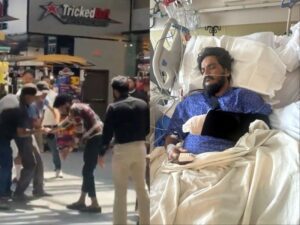
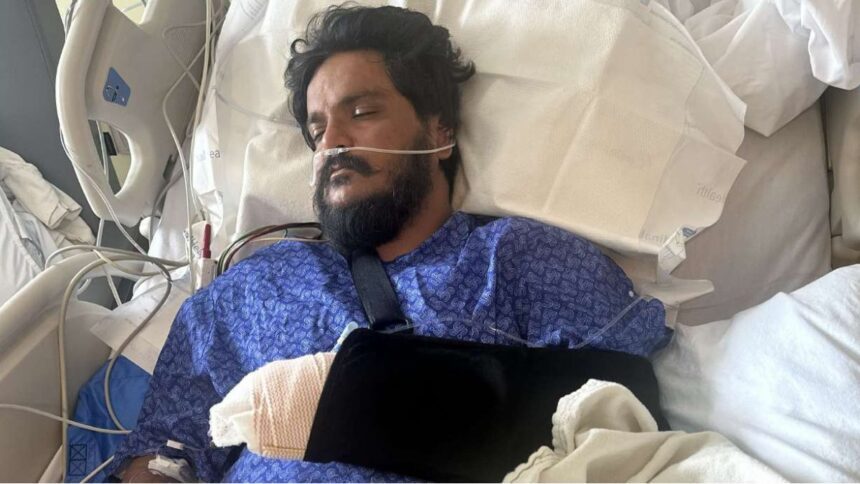
An Indian kiosk employee, known as Sohail, is in critical condition after being stabbed 15 times in what authorities have labeled a premeditated anti-Muslim hate crime in a Utah shopping mall. The assailant, identified as Peter Michael Larsen, allegedly targeted Sohail specifically due to his Muslim faith, highlighting increasing instances of discrimination and violence against Muslims in the United States.
The Incident
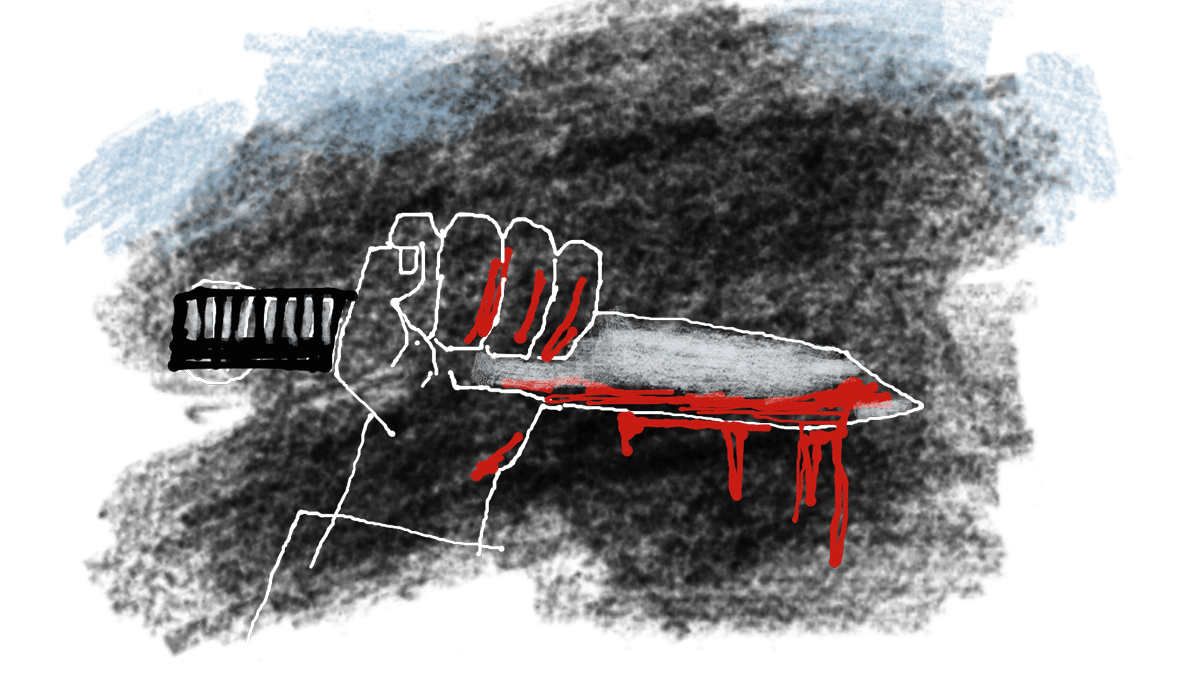
The attack occurred when 48-year-old Peter Michael Larsen engaged Sohail in conversation at a kiosk. Witnesses reported that after asking about Sohail’s origin and confirming he was Muslim, Larsen suddenly began stabbing him. Eyewitness Luna Nunez detailed the horrifying nature of the attack, stating that he “was stabbing him so vicious,” echoing the fear felt by those present that Sohail could die from his wounds.
Imam Shuaib Din of the Utah Islamic Center provided further context by indicating that Larsen initially requested a bottle of water. As Sohail turned to fetch it, he was allegedly attacked from behind, demonstrating a calculated and cruel escalation in the assault. Bystanders quickly intervened, subduing Larsen and ensuring that Sohail received immediate medical attention.
Legal and Social Repercussions
Larsen is currently being held at Salt Lake County Jail and has been charged with attempted murder. Court documents reveal that he intentionally targeted Sohail based on his Muslim identity, with authorities noting that Larsen posed a “substantial danger to the public” if released. His motivations reflect broader societal issues of intolerance and discrimination that marginalized communities, particularly Muslims, face in the U.S.
The attack has drawn widespread condemnation as a hate crime. Sohail’s manager, Adnan Mohammed, spoke out, stating emphatically, “There’s no space for hate.” This sentiment resonates amid ongoing discussions about the duty of society to protect all individuals from violence rooted in bigotry. The rise of hate crimes against Muslims is part of a troubling trend that has seen economic and social disenfranchisement of this community, exacerbated by polarized political rhetoric.
The Broader Context of Discrimination
This incident is not isolated but represents a growing pattern of discrimination and hostility faced by Muslims in various parts of the world. In India, for example, the rise of right-wing political sentiments associated with the Bharatiya Janata Party (BJP) and its affiliates, such as the Rashtriya Swayamsevak Sangh (RSS), has led to increased marginalization of Muslim communities. Reports show heightened social exclusion, economic boycotts, and instances of violence targeting Muslims, reinforcing feelings of vulnerability and fear.
The ramifications of these ideologies extend globally, manifesting in hate crimes and systemic exclusion of Muslims in various contexts. The need for comprehensive anti-discrimination policies and community support systems has never been more pressing, as highlighted by Sohail’s case. The normalization of hate speech can translate into real-world violence, making it crucial for informed advocacy and solidarity across communities irrespective of religious affiliation.
Why It Matters
The implications of this incident extend beyond immediate violence; they speak to systemic issues within societies grappling with intolerance and hate crimes. For policymakers, this serves as a critical reminder of the role that societal attitudes play in minority safety and cohesion. It highlights the urgent need for legislative frameworks addressing hate crimes and protecting vulnerable communities, ensuring that fear does not dictate terms of coexistence.
For industry professionals, especially in technology and media, understanding these socio-political undercurrents is essential. Research suggests that a more nuanced portrayal of minority communities can foster empathy and challenge stereotypes, potentially influencing public sentiment and policy. Awareness and proactive measures in combating discrimination serve as essential components for creating inclusive environments where diversity is celebrated rather than suppressed.
Frequently Asked Questions
What happened to the victim, Sohail?
Sohail, the Indian kiosk employee, is in critical condition after being stabbed 15 times in a premeditated attack based on his Muslim identity.
Who is the attacker, and what charges have been filed?
The attacker, Peter Michael Larsen, has been charged with attempted murder and is being held at Salt Lake County Jail. Authorities indicated that he deliberately targeted the victim due to his Muslim faith.
Are hate crimes against Muslims increasing in the U.S.?
Yes, there has been a noted increase in hate crimes against Muslims in the United States, reflecting broader patterns of discrimination and intolerance toward marginalized communities.
What responses have emerged from the community?
The attack has been widely condemned as a hate crime, with calls for solidarity and anti-discrimination advocacy. Organizations and community leaders emphasize the importance of protecting vulnerable populations from violence rooted in bigotry.