
A tragic incident in Ballia, Uttar Pradesh, has drawn significant attention following the alleged torture and subsequent death of Kamji Goud, a Dalit man. This shocking event has ignited outrage, particularly focused on the police’s involvement, as his family seeks justice and accountability.
Incident Overview
Kamji Goud was reportedly picked up by police, where he was subjected to severe torture. According to family members, he was later abandoned in a field, leading to their frantic rush to a hospital. Unfortunately, Kamji succumbed to his injuries during treatment. Eyewitness accounts and family statements have placed heavy accusations against law enforcement, challenging their accountability and the systemic issues surrounding police brutality in India.
Community Response and Outcry
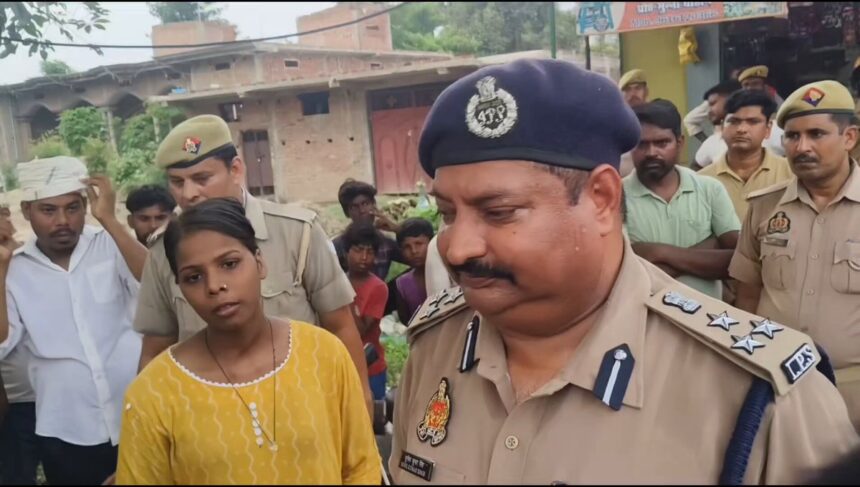
The response from the local community has been one of outrage and grief. A young woman, reportedly a relative of Kamji, confronted DIG Sunil Kumar Singh directly, demanding to know when those responsible for the police action would be arrested. This confrontation captured on video has resonated widely, symbolizing the deep-seated frustrations within marginalized communities about police violence and lack of accountability. Many activists and advocates for Dalit rights have also echoed calls for justice, urging the government to take a firm stance against such incidents.
Broader Issues of Police Brutality
The incident is not an isolated case in Uttar Pradesh or India at large. Police brutality, particularly against vulnerable groups such as Dalits, has been a persistent issue. Activist groups have long criticized a culture of impunity within law enforcement, arguing that harsh punitive measures are frequently meted out against marginalized communities without accountability. This incident raises questions about the need for systemic reform in how the police interact with communities, particularly those of lower caste backgrounds.
Why This Matters
The political significance of Kamji Goud’s death extends beyond local protests; it underscores a nationwide issue of violence against marginalized communities and identity-based discrimination. As dialogues around social justice and police reform continue to gain traction in India, this incident adds urgency to these discussions. Policymakers and parties may find it increasingly challenging to navigate public sentiment, especially if community lives continue to be endangered through law enforcement practices. If left unaddressed, such atrocities can erode trust in the legal system and amplify social tensions throughout the country.
Frequently Asked Questions
What happened to Kamji Goud?
Kamji Goud, a Dalit man, was reportedly tortured by police in Ballia, Uttar Pradesh, and later died from his injuries after being rushed to a hospital by family members.
What was the community’s reaction?
The local community has expressed outrage, with family members and activists demanding justice for Kamji Goud. A young woman confronted law enforcement officials, questioning when the responsible officers would be arrested.
What does this incident signify for police accountability in India?
This incident highlights ongoing issues regarding police brutality and the lack of accountability when it involves marginalized communities, particularly Dalits. It sparks renewed calls for reform in policing practices in India.
How have activists responded to similar incidents?
Activists have consistently called for justice and systemic reforms in law enforcement. This incident has further galvanized support for movements that advocate for the rights and safety of marginalized groups, urging governmental change and accountability.