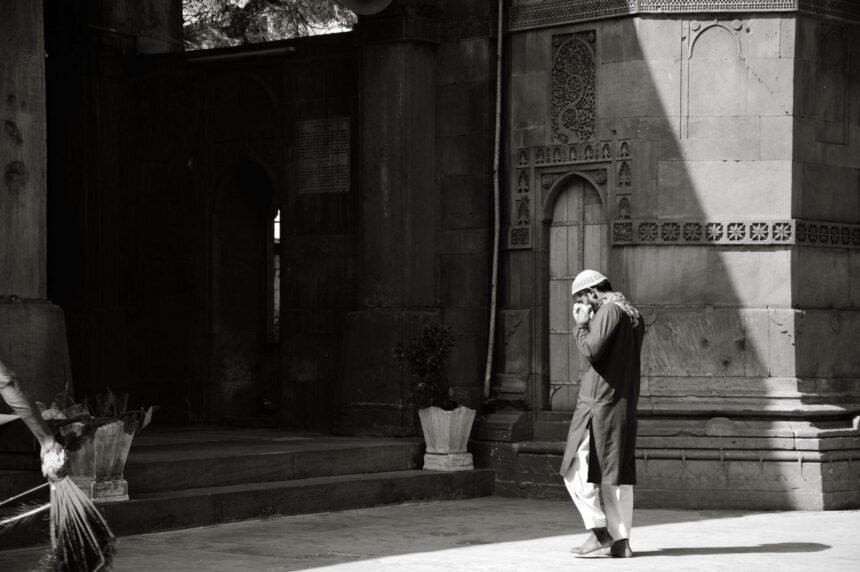

In a troubling incident from Dehradun, Uttarakhand, a Muslim shopkeeper was compelled to close his store after facing persistent threats from Hindu extremists, highlighting a pattern of discrimination against Muslims in India. The situation raises serious concerns about religious intolerance, economic exclusion, and the role of local authorities in protecting minority rights.
Details of the Intimidation
The shopkeeper, who had operated his business for nearly 25 years, reported that his troubles began on June 18, when a group of men invaded his shop. They assaulted him, vandalized his property, and shouted religious slogans, causing him to fear for his life. Despite filing a report with the police, he claimed that no substantial action was taken against the assailants.
On July 9, after receiving assurances from the district’s superintendent of police about his safety, he reopened his shop. However, these reassurances quickly proved hollow. Shortly after reopening, the same group allegedly returned, reiterating their threats and declaring that “a Muslim-owned shop will not be allowed to operate in a Hindu neighborhood.” This led to another police intervention but ultimately resulted in the shopkeeper closing his business once again, prioritizing his personal safety over economic stability.
Public Response and Social Media Outrage
The incident sparked considerable outrage on social media, where users expressed disbelief that a longstanding business could face such hostility solely due to the owner’s religious background. Many took to platforms like Twitter and Facebook to call for a comprehensive investigation by the Uttarakhand Police and demand accountability for those perpetuating violence and intimidation. The lack of official statements or arrests from local authorities further fueled public discontent, raising questions about the systemic issues at play.
Rights organizations have voiced concerns about a growing trend of religious discrimination in India, citing this incident as part of a worrying pattern wherein Muslim-owned businesses are increasingly subjected to economic boycotts and intimidation tactics from Hindu nationalist groups. The implications of such activities are profound, impacting not just the individuals involved but also the fabric of economic and social interaction within diverse communities.
Broader Context of Religious Discrimination
This incident is not an isolated case. Reports indicate that Muslim vendors and businesses are facing increasing threats and boycotts across various Indian states. The climate of fear and exclusion stoked by these actions raises alarm about the erosion of values enshrined in India’s Constitution, particularly the right to free commerce and equality before the law.
The targeting of Muslim businesses fits into a larger narrative perpetuated by some political elements in India, notably the Sangh Parivar and the ruling Bharatiya Janata Party (BJP). Rights groups argue that such actions are part of a systematic effort to marginalize Muslims from both public and economic spheres, further exacerbating social divides in a country known for its pluralistic society.
Why It Matters
This situation underscores significant challenges facing minority communities in India, with implications for both human rights and the economy. Discrimination against any group threatens social cohesion and stifles economic potential. It raises pertinent questions about governance and the role of law enforcement in protecting vulnerable populations. Furthermore, the economic exclusion of minorities can lead to increased poverty, social unrest, and a climate of fear, undermining democratic values and the rule of law.
Frequently Asked Questions
What happened to the Muslim shopkeeper in Dehradun?
A Muslim shopkeeper faced repeated threats and violence from Hindu extremists, leading him to close his long-standing business after nearly 25 years of operation due to safety concerns.
How did the police respond to the incidents of intimidation?
Despite the shopkeeper reporting the threats and assaults, the police allegedly took no meaningful action initially. After the shop’s reopening, further police intervention occurred following subsequent threats, but the situation remained unresolved.
What is the broader context of discrimination against Muslims in India?
The incident is part of a worrying trend in which Muslim businesses face intimidation and economic boycotts, often fueled by Hindu nationalist groups, impacting their rights and economic opportunities.
Why is this incident significant for Indian society?
This event highlights significant issues of religious intolerance and economic exclusion that threaten social cohesion and raise questions about the efficacy of law enforcement in protecting the rights of minority communities.