
Addressing the Changing Dynamics of the Muslim Lifestyle Market
The global Muslim lifestyle and halal industry is rapidly evolving, characterized by growing consumer demand for high-quality, functional, and aesthetically pleasing products. As brands like ILLIYEEN explore international expansion, significant economic trends and emerging markets are influencing their strategies, particularly in Southeast Asia.
Brand’s International Expansion and Market Potential
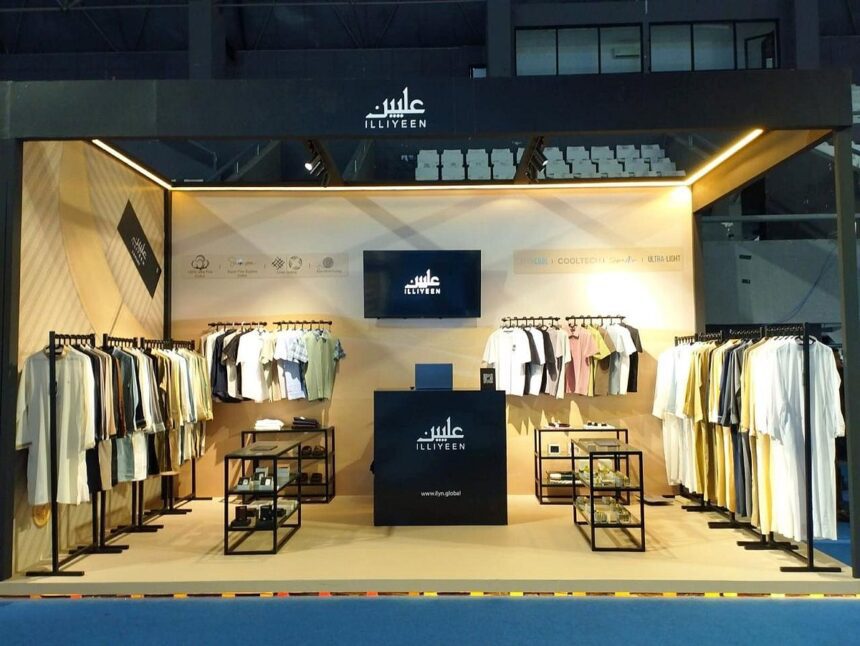
According to Abu Adam, Manager of Sales Planning and Operations at ILLIYEEN, the brand’s participation in the D-8 Halal Expo represents a strategic move to position themselves as a luxury brand on an international stage. This event allows the company to connect more effectively with a broad Muslim consumer base, particularly within the D-8 market, which comprises over 1.2 billion people. This expansive demographic includes countries like Bangladesh, Indonesia, Türkiye, Egypt, Iran, Malaysia, Nigeria, Pakistan, and Azerbaijan, presenting a welcoming environment for modest fashion and halal lifestyle products.
Financial Landscape of the Muslim Consumer Market
The economic potential within the Muslim consumer market is significant, with spending estimated at approximately US$2.43 trillion in 2023. Forward-looking forecasts suggest an increase to US$3.36 trillion by 2028, highlighting a rapidly growing segment of the global economy. Within this sector, the modest fashion market is expected to see a substantial rise in value, from US$327 billion to US$433 billion during the same period. This impressive growth trajectory underlays the opportunities available for brands operating within this space, particularly those that focus on merging cultural values with quality products.
Challenges and Opportunities in Southeast Asia
As ILLIYEEN explores opportunities in Southeast Asia, it encounters both challenges and opportunities in this diverse market. Countries in this region are known for their rich cultural heritage and unique consumer needs. While there is a strong demand for halal products and modest fashion, brands must also navigate differing regulations, cultural sensitivities, and competition within the market. Understanding local preferences and aligning product offerings with these variances will be crucial for successful market penetration.
Why It Matters
The growth of the Muslim lifestyle and halal industry signifies important trends in consumer behavior and market dynamics that could hold transformational implications for businesses globally. As brands like ILLIYEEN enter international arenas, they are not merely pursuing profit; they are also fostering connections across cultural divides. The burgeoning market for halal and modest fashion highlights the importance of inclusivity and representation in consumer goods, revealing broader social attitudes towards the to the economic empowerment of diverse communities.
Frequently Asked Questions
What is the D-8 Halal Expo?
The D-8 Halal Expo is an international platform where businesses showcase halal products and services to connect with the growing Muslim consumer market across eight countries: Bangladesh, Indonesia, Türkiye, Egypt, Iran, Malaysia, Nigeria, Pakistan, and Azerbaijan.
What is the projected growth of the Muslim consumer spending market?
According to industry estimates, global Muslim consumer spending reached approximately US$2.43 trillion in 2023 and is projected to rise to US$3.36 trillion by 2028.
What are the trends in the modest fashion market?
The modest fashion market is expected to grow from US$327 billion in 2023 to US$433 billion by 2028, reflecting a significant increase in consumer interest in modest apparel options.
How can brands succeed in the Southeast Asian market?
Brands can succeed in Southeast Asia by understanding local cultures, preferences, and regulations. Tailoring products and marketing strategies to meet the unique needs of this diverse market is essential for effective competition and consumer engagement.