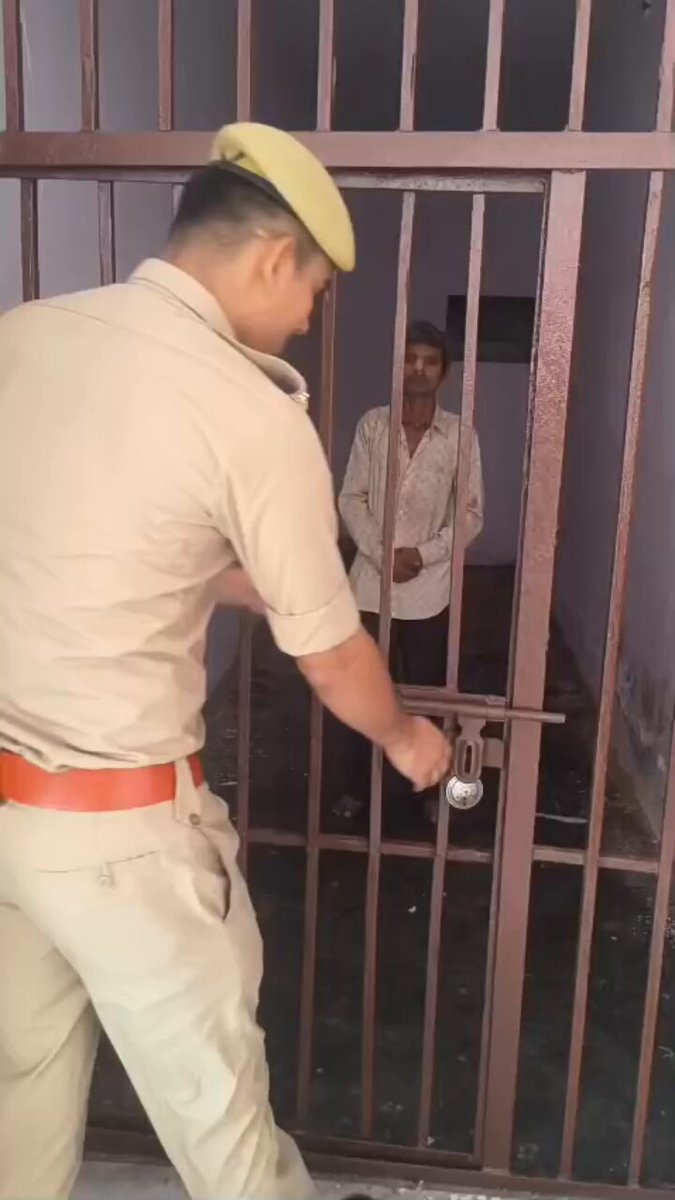

Rafiq Khan, who had publicly mocked Uttar Pradesh Chief Minister Yogi Adityanath, has been seen apologizing while holding his ears in a video that has since gone viral. Following his derogatory comments about the Chief Minister, he was apprehended by Agra police, highlighting the contentious intersection of free speech and political censorship in India.
Context of the Incident
Rafiq Khan’s controversial remarks included calling Yogi Adityanath “the bald Chief Minister of Uttar Pradesh” and suggesting that his governance was ineffective. In the political landscape of India, criticism of politicians—especially those in power—can often lead to severe repercussions. Khan’s video emerged amidst a climate where social media commentary quickly escalates into legal issues, raising questions about freedom of expression in the country.
The Police Response
Agra police acted swiftly to detain Khan following the viral spread of his comments. This action reflects a broader trend in various Indian states where authorities tend to clamp down on dissent and criticism of political leaders. Law enforcement often finds itself balancing public order and the rights of individuals, and this case exemplifies this ongoing struggle. The reaction from law enforcement suggests a zero-tolerance policy towards derision directed at high-profile officials.
Public Reaction and the Apology
Khan’s public apology, in which he was filmed holding his ears and pleading for forgiveness, has drawn mixed reactions from the public. Some view it as a forced gesture meant to appease the authorities after an attempt to criticize the government. Others consider it a demonstration of the fear instilled among citizens when expressing dissent. Social media users have engaged intensely with this incident, sharing the video and the fallout from Khan’s comments widely.
Why This Matters
This incident significantly highlights the tension between free speech and governmental authority in India. As the country grapples with its democratic values, the treatment of dissenting voices like Rafiq Khan raises critical questions about the limits of expression. The rapid response from the authorities may deter others from speaking out against powerful leaders, creating a chilling effect on civil discourse. For Indian readers, this incident underscores the need for continued dialogue regarding the protection of individual rights in a rapidly evolving political landscape.
Frequently Asked Questions
What did Rafiq Khan say about CM Yogi Adityanath?
Rafiq Khan referred to Yogi Adityanath as the “bald Chief Minister” and made disparaging remarks about his governance, critiquing the development in Uttar Pradesh.
Why was Rafiq Khan arrested?
Agra police arrested Rafiq Khan following the virality of his derogatory comments, which are seen as a public affront to the Chief Minister.
What does Rafiq Khan’s apology signify?
His apology can be interpreted as a reflection of the pressures faced by individuals speaking against political leaders, highlighting a climate of fear surrounding free speech in India.
What are the implications for free speech in India?
This incident raises important questions about the extent of free speech protections in India, particularly in contexts where criticism of state figures can lead to severe consequences.