
Alarming Case of Alleged Forced Conversion and Rape in Moradabad
In a troubling incident from Moradabad, Uttar Pradesh, a woman has accused a Muslim couple, a cleric, and two unidentified individuals of forcibly converting her religion, raping her, and confining her illegally for several days. The case has raised serious concerns about interfaith relationships and women’s safety in India, especially under the current socio-political climate influenced by the ruling BJP and its affiliate organizations.
Details of the Incident
The incident comes to light following an FIR registered at Majhola police station, which charges the accused under various sections of the Bharatiya Nyaya Sanhita (BNS), the Uttar Pradesh Prohibition of Unlawful Conversion of Religion Act, and the Scheduled Castes and Scheduled Tribes (Prevention of Atrocities) Act.
According to the woman’s complaint, she had known the accused family for about three years, with both families interacting frequently and celebrating festivals together. It was on February 6 that Mehraj Begum allegedly invited her to their home, where she encountered Sultan Salauddin, a cleric, along with another cleric and two unidentified persons.
Upon her arrival, the woman alleges that she was forcibly confined, with Sultan Salauddin brandishing a licensed pistol to intimidate her. Reports indicate that she was coerced into undergoing a religious conversion and was pressured into a marriage she resisted. The cleric reportedly acknowledged that forced marriage contradicts Islamic principles, yet insisted on keeping her as his wife. During this confinement, she faced threats and was allegedly subjected to rape.
Ongoing Legal and Social Implications
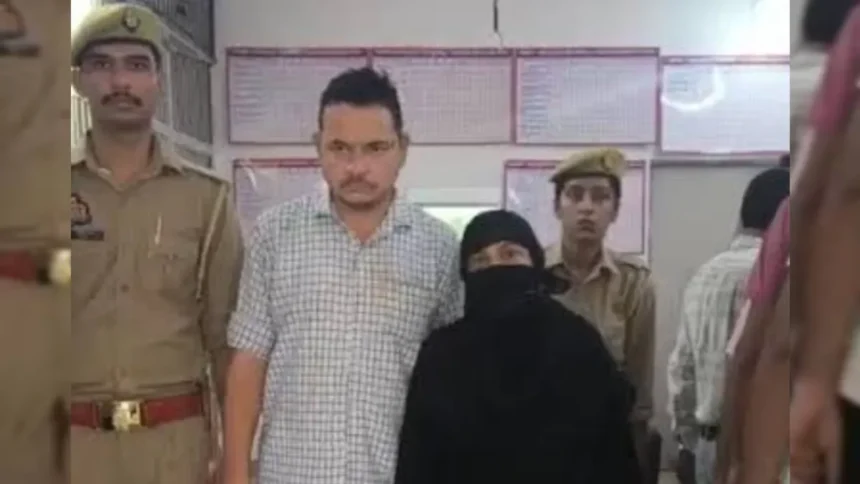
Following her escape, the complaint was lodged with local authorities. Superintendent of Police Kumar Ranvijay Singh confirmed the rapid registration of the case. Sultan Salauddin and Mehraj Begum have since been arrested and are currently incarcerated, while police are pursuing the remaining suspects.
Moreover, the FIR details prior accusations against Sultan Salauddin, including an earlier attempt-to-murder case filed in Badaun district. This context raises pressing questions about systemic issues related to gender-based violence and the legal protections available to marginalized communities, particularly in a socio-political environment increasingly characterized by sectarian divides.
Why It Matters
The implications of this case transcend individual grievances, echoing broader societal concerns regarding the treatment of religious minorities in India. Under the influence of the ruling BJP and associated organizations such as the Sangh Parivar, the marginalization of Muslim communities has intensified, affecting social cohesion and fostering an environment ripe for discrimination and violence.
Cases like this highlight the urgent need for comprehensive legal protections against forced conversions and abuses of power, particularly as they relate to gender. The societal response to such incidents is critical in shaping future policies and in ensuring that vulnerable populations are supported rather than victimized.
Frequently Asked Questions
What are the legal provisions under which the FIR was filed?
The FIR against the accused was filed under the Bharatiya Nyaya Sanhita (BNS), the Uttar Pradesh Prohibition of Unlawful Conversion of Religion Act, and the Scheduled Castes and Scheduled Tribes (Prevention of Atrocities) Act.
What evidence are police collecting in this case?
The police are actively collecting evidence, including testimonies and physical evidence, to substantiate the woman’s claims against the accused as part of their ongoing investigation.
What risks do women face in similar interfaith relationships in India?
Women in interfaith relationships, particularly those involving Hindu-Muslim dynamics, may encounter social stigma, familial opposition, and even violence, alongside issues related to forced conversions and abuse.
How have similar cases affected societal attitudes in India?
Similar cases have raised awareness about the vulnerabilities of minority communities, influencing public discourse and activism focused on promoting interfaith harmony and protecting women’s rights.