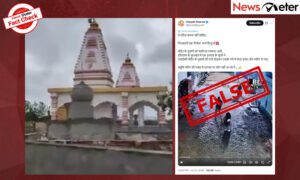

The demolition of the Mustafa Qadri Mosque in Uttar Pradesh’s Sambhal district has ignited significant controversy, spotlighting the broader issues of discrimination and marginalization faced by the Muslim community in India. The incident—characterized by the recovery of inflammatory posters and a green flag resembling Pakistan’s—raises questions regarding legal processes, communal tensions, and the interplay between religious rights and governance in a politically charged environment.
Background of the Demolition
The district administration executed the demolition of the Mustafa Qadri Mosque under claims that it was illegally constructed on land designated as a graveyard. Local authorities assert that revenue evaluations confirmed the mosque’s location on approximately 1,200 square meters of cemetery land. District Magistrate Ankit Khandelwal articulated that the mosque committee had failed to produce necessary documentary evidence to prove ownership during the legal proceedings. This led to the rejection of the committee’s appeal against the eviction order, ultimately allowing the demolition to proceed.
Reaction and Allegations of Bias
The demolition triggered immediate backlash from political leaders, particularly from Samajwadi Party MP Ziaur Rahman Barq. He denounced the action as illegal and asserted that the mosque was nearly 150 years old with recognized legal status as Waqf property since 1995. Barq criticized the criminal case filed against eight individuals following the discovery of posters stating “I Love Muhammad” and a green flag, questioning the justification for equating these expressions of faith with public mischief.
Communal Tensions and Security Concerns
The event has significant communal implications, given the history of religiously charged tensions in the region. Sambhal Superintendent of Police Krishna Kumar Bishnoi confirmed that heavy police presence was necessary to maintain order during the demolition process. Fortunately, officials reported no major incidents of violence; however, the number of police deployed reflects the sensitive nature of such actions in a diverse societal landscape. Critics argue that these measures illustrate a growing culture of fear among minority communities, often resulting in their marginalization.
Why It Matters
This incident underscores the challenges faced by minority communities in India under the current political landscape, particularly with the rising influence of the Sangh Parivar and the Bharatiya Janata Party (BJP). The larger implications are concerning for social cohesion, human rights, and secular governance. The demolition of the mosque reveals not only the precarious nature of legal protection for religious minorities but also exemplifies how decisions framed as legal actions can further entrench social division and discrimination. Understanding these dynamics is essential for policymakers and civil society advocates aiming to foster an inclusive society.
Frequently Asked Questions
What was the reason for the demolition of the mosque?
The district administration claimed that the Mustafa Qadri Mosque was illegally constructed on land designated as a graveyard, stating that the mosque committee could not prove ownership during legal proceedings.
What was found inside the demolished mosque?
During the demolition, police recovered 49 “I Love Muhammad” posters and a green flag resembling Pakistan’s national flag, leading to the registration of a case against eight individuals.
How did the local political leaders react to the demolition?
Samajwadi Party MP Ziaur Rahman Barq condemned the demolition as illegal and criticized the criminal charges related to the recovered posters, arguing that they reflect an atmosphere of fear and discrimination against Muslims.
What measures were taken to ensure order during the demolition?
Authorities deployed a heavy police presence to prevent potential law-and-order issues during the demolition process, reflecting the sensitive nature of the event in a communal context.