
Three United Nations human rights experts have raised alarms over widespread voter deletions in India that seem to disproportionately affect Muslims and other religious minorities. The experts warn that this situation may violate international human rights laws and could disenfranchise millions of eligible voters across multiple states.
Mass Deletion of Voter Names
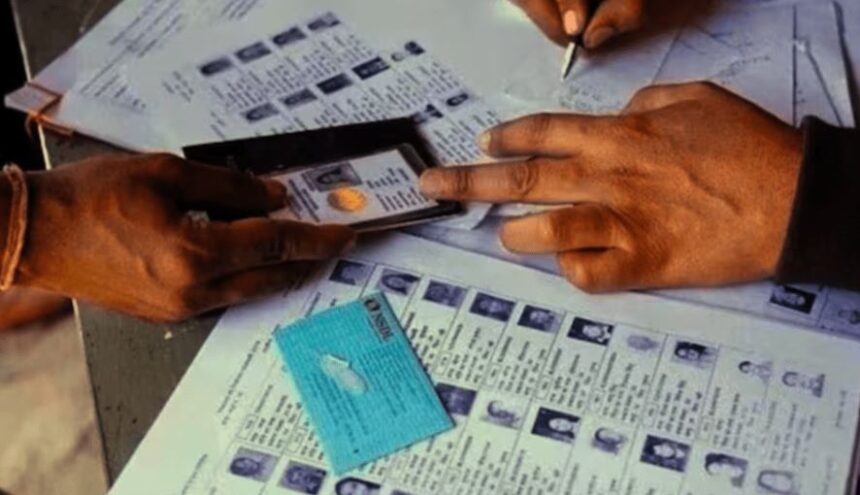
In a formal communication to the Indian government dated May 1, 2026, the Special Rapporteurs highlighted a significant governmental initiative termed “Special Intensive Revision” (SIR), which led to the removal of approximately 52 million names from electoral rolls. Areas most impacted by this voter purge include West Bengal, where 9.1 million voters were reportedly deleted in the run-up to the Assembly elections on April 23 and 29, 2026. The experts were particularly troubled by claims that 95 percent of those affected in Nandigram, a key constituency, were Muslims, despite Muslims comprising only 25 percent of the electorate in that region.
Concerns Over Discrimination and Methodology
The UN experts noted that many of those removed were Indian citizens possessing valid identity documents. They pointed out that minor discrepancies in official records provided a flimsy basis for striking names off electoral rolls. The UN report also raised concerns about the use of an AI-driven system for detecting alleged irregularities in voter data, warning that this lack of transparency could introduce significant errors and bias into the electoral process.
Rhetoric of Alienation and Discrimination
Statements from senior Indian officials, including the Home Minister, suggested that the voter deletion exercise was aimed at removing “illegal Bangladeshi immigrants.” This framing risks conflating Indian Muslims with foreign nationals and could incite discrimination, according to the UN experts. The communication criticized the narrative surrounding the SIR process as a “purification” effort for electoral rolls, which could stigmatize Muslim citizens as presumptively foreign or criminal. The use of slogans like “Detect, Delete and Deport” further reinforces these harmful stereotypes.
Why It Matters
The implications of these voter deletions extend beyond electoral politics and into the realm of civil rights and social justice. For the AI industry, the reliance on automated systems for managing electoral data raises vital ethical questions about fairness, transparency, and accountability. Developers must consider how algorithms could perpetuate biases or errors when integrated into legal and electoral frameworks. The situation highlights the urgent need for systems that not only guarantee accuracy but also uphold the rights of all citizens, regardless of their religious or ethnic backgrounds.
Frequently Asked Questions
What is the Special Intensive Revision (SIR) process?
The Special Intensive Revision (SIR) process is an initiative by the Election Commission of India aimed at updating electoral rolls, which has resulted in the mass deletion of millions of voter names.
How many voters have reportedly been deleted under this process?
Approximately 52 million names have been removed from electoral rolls across 12 Indian states and union territories due to the SIR process.
Why do UN experts believe this deletion disproportionately affects Muslims?
They cite data from West Bengal, where 95 percent of deleted voters in certain constituencies were Muslim, despite Muslims making up only a quarter of the electorate, indicating a possible discriminatory impact.
What actions have UN experts requested from the Indian government?
They have sought detailed information on the number of voters removed, broken down by religion and ethnicity, as well as the safeguards in place to prevent discrimination and provide remedies for wrongfully excluded voters.