
In a noteworthy instance of community cooperation and conflict prevention, residents of Sohna, Haryana, undertook the voluntary demolition of illegal structures on protected forest land. This initiative, spurred by sustained dialogue with authorities, serves as an instructive example for managing sensitive demolitions, particularly those involving religious sites.
The Peaceful Demolition Model
Traditionally, anti-encroachment drives in India have been characterized by aggressive force, often leading to communal unrest, especially when they involve religious structures. However, the situation in Sohna’s ITI Colony diverged from this trend. Nearly 30 acres of protected forest land, long encroached upon by various buildings, was set to be reclaimed without incidents of public confrontation.
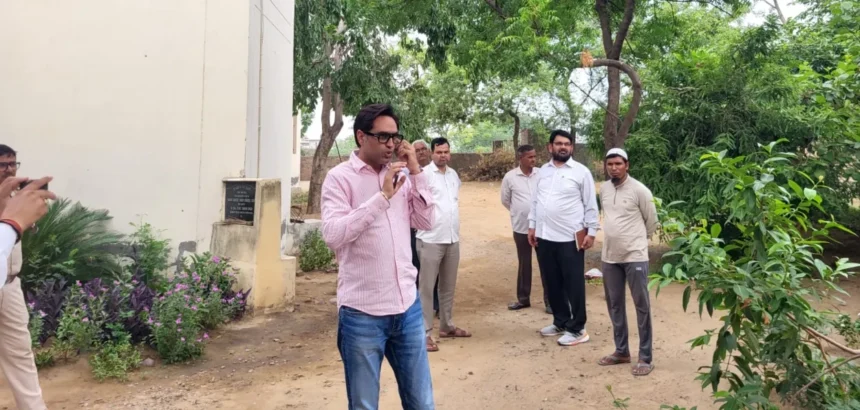
Authorities appointed R.S. Bath, known as the “Bulldozer Man,” as the Duty Magistrate for the operation. Unlike previous instances where coercive measures were employed, Bath opted for dialogue over confrontation. He engaged directly with religious leaders and community members, including the mosque’s imam and the pastor of a local church, ensuring an atmosphere of mutual respect.
A Case of Voluntary Action
The collaborative approach bore fruit when, following discussions led by Bath, the mosque committee and local Muslim residents recognized that the construction of religious structures on illegally occupied land contradicted their religious principles. Instead of resorting to protests, they collectively decided to dismantle the encroaching segments of the mosque.
Members of the Christian community followed suit, voluntarily removing a section of the church wall built on forest land. The local school management showed similar cooperation by taking down unauthorized classrooms ahead of the mandated deadline. This collective action demonstrated a significant shift in community dynamics, emphasizing the power of dialogue and shared ethics over confrontation.
Implications for Future Governance
Bath’s operation in Sohna could be considered a groundbreaking precedent in India, showcasing how administrative sensitivity can avert conflict in contexts laden with religious sentiments. Residents applauded the administration’s focus on dialogue, which contrasted starkly with the aggressive tactics often seen in anti-encroachment efforts.
As further phases of the anti-encroachment drive are planned, targeting additional illegal structures in nearby colonies, the lessons from Sohna can serve as models for future governance. Strengthening community relations and fostering an environment of open communication can prove vital in managing similar situations without resorting to coercion or violence.
Why It Matters
The peaceful resolution of the Sohna case highlights the significant impact of administrative practices on community relations, especially in areas rife with discrimination and social exclusion. This approach contrasts sharply with the tactics of the Sangh and BJP governments, which have often been criticized for escalating tensions around religious sentiments. Understanding the importance of dialogue can pave the way for improving social cohesion, fostering collaboration, and reducing marginalization in diverse communities.
Frequently Asked Questions
What was the initial concern that led to the demolition in Sohna?
The concern revolved around illegal constructions on protected forest land, which included residential houses and religious structures, prompting the Forest Department to initiate an anti-encroachment drive.
How did the residents respond to the demolition orders?
Residents, instead of protesting, engaged in dialogue with local authorities and voluntarily demolished the illegally constructed portions of religious structures, demonstrating a collaborative spirit.
Who was appointed to oversee the anti-encroachment drive?
R.S. Bath, the District Town Planner (Enforcement), was appointed as Duty Magistrate and Nodal Officer for the operation, known for his strict enforcement of anti-encroachment laws.
What lessons can other regions learn from the Sohna experience?
The Sohna experience illustrates the efficacy of dialogue and mutual respect in managing potentially volatile situations, serving as a template for future governance in similar contexts nationwide.