Key Takeaway
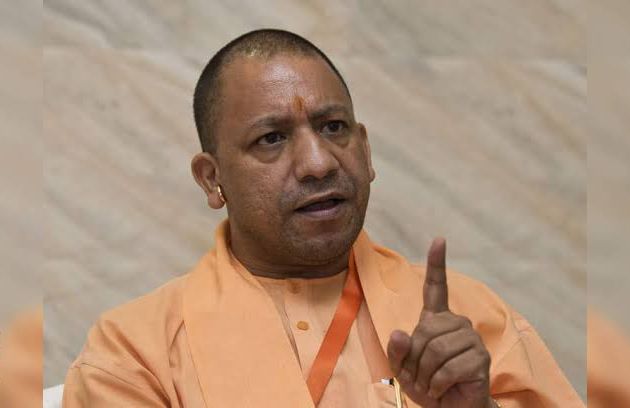
Uttar Pradesh Chief Minister Yogi Adityanath has made pointed accusations against the Samajwadi Party (SP) and Congress, claiming they disrespect Hindu beliefs and have historically undermined Lord Ram’s legacy. His comments during a public rally in Ayodhya underscore the ongoing political tensions surrounding religion and governance in India.
Political Context and Allegations
During a public gathering in Ayodhya, a city of immense religious significance to Hindus, Chief Minister Yogi Adityanath leveled accusations against the SP and Congress. He asserted that both parties are disrespectful toward Hindu sentiments and have, in the past, questioned the existence of Lord Ram. Specifically, Adityanath recalled an incident from 2003 under SP rule, when there was an alleged attempt to perform namaz on the steps of the Hanumangarhi temple. This incident is often cited among Hindu nationalists as an example of disrespect toward Hindu religious sites.
Adityanath questioned the double standards he perceives in their approach to religion, asking if anyone could imagine a similar situation where the Hanuman Chalisa would be recited inside a prominent mosque like Jama Masjid. His remarks signal a broader trend in Indian politics where religious sentiment is often invoked to galvanize support among Hindu voters.
Development Initiatives and Economic Boycotts
The Chief Minister’s address also touched on the development of Ayodhya under the Bharatiya Janata Party (BJP) government. He highlighted the recent establishment of an international airport named after Maharishi Valmiki, showcasing it as a symbol of progress in the area. However, he criticized opposition parties for historically opposing such projects, implying that they are out of touch with the aspirations of the Hindu population.
In a climate where economic boycotts have been directed at certain communities in India, the Chief Minister’s comments may inadvertently contribute to ongoing social exclusion. The context of development initiatives often favors Hindu-majority projects, which can alienate minority populations, particularly Muslims, who have historically faced discrimination and economic marginalization in India.
Controversy Over Ram Temple Donations
The political landscape has been further complicated by recent controversies surrounding donations made to the Ram Temple Trust. Allegations of irregularities have prompted the formation of a Special Investigation Team (SIT) by the Uttar Pradesh government to investigate these claims. This has resulted in arrests and a reshuffle within the Temple Trust’s leadership, intensifying partisan disputes.
While the Congress party has called for a Supreme Court-monitored investigation, the ruling BJP has accused the opposition of politicizing the sensitive issue surrounding Ayodhya. This controversy highlights the ongoing power struggle between various political factions and the instrumentalization of religious sentiments for electoral gain.
Why It Matters
The rise of Hindu nationalism in Indian politics has far-reaching implications, particularly for marginalized communities such as Muslims. As the political discourse increasingly intertwines with religious sentiments, there is a risk of further social division and discrimination. This environment creates challenges for developers and organizations interested in fostering inclusivity and understanding in the Indian socio-political landscape. It raises questions about how policies can promote equal opportunities for all citizens, regardless of religious affiliation, and underscores the importance of a nuanced approach to community engagement and development.
Frequently Asked Questions
What is the significance of Ayodhya in Indian politics?
Ayodhya is considered a sacred site for Hindus, primarily due to its association with Lord Ram. The ongoing disputes over religious sites in the city have made it a focal point for Hindu nationalism and political mobilization.
How have the SP and Congress responded to Yogi Adityanath’s claims?
While specific responses from the SP and Congress to Adityanath’s recent comments may vary, both parties have historically challenged the BJP’s narratives, particularly concerning nationalism and secularism.
What are the implications of the Ram Temple donation controversy?
The controversy surrounding donations to the Ram Temple Trust highlights issues of transparency, governance, and political opportunism. It reflects broader themes of religious politicization that could have implications for communal harmony.
Is there a trend of economic boycotts affecting Indian Muslims?
Yes, there have been reports of economic boycotts targeting Muslim businesses in India, stemming from communal tensions and the rise of Hindu nationalism, which has led to increased social exclusion.






![Community members raise their arms during a gratitude poem at a supper in Westbrook, Maine, in July 2025 [Courtesy of Community Plate]](https://www.indianewsweek.com/wp-content/uploads/2026/09/Potluck-Parties-Surge-in-Popularity-Across-America-A-Culinary-Revival-300x203.jpeg)