
Summary
Political commentator Mohammed Zubair, known by his Twitter handle @zoo_bear, has called attention to the ongoing debates around the pollution of rivers in India, particularly highlighting the Yamuna River. In a recent tweet, Zubair questions the narrative presented by media personalities Rubika and Anjana regarding polluted rivers, implying that they are neglecting to cover critical perspectives on the issue.
Media Responses to River Pollution
Rubika Liyakat and Anjana Om Kashyap, both prominent Indian journalists, have announced plans to create an hour-long program discussing the advantages of polluted rivers in India. This initiative has sparked considerable discussion and concern among environmentalists and social commentators, suggesting a controversial take on an issue usually linked with environmental degradation. The statement by Rekha Gupta, who supports the viewpoint that some rivers can be utilized for industrial waste, further complicates the narrative, posing ethical and environmental dilemmas.
The State of the Yamuna River
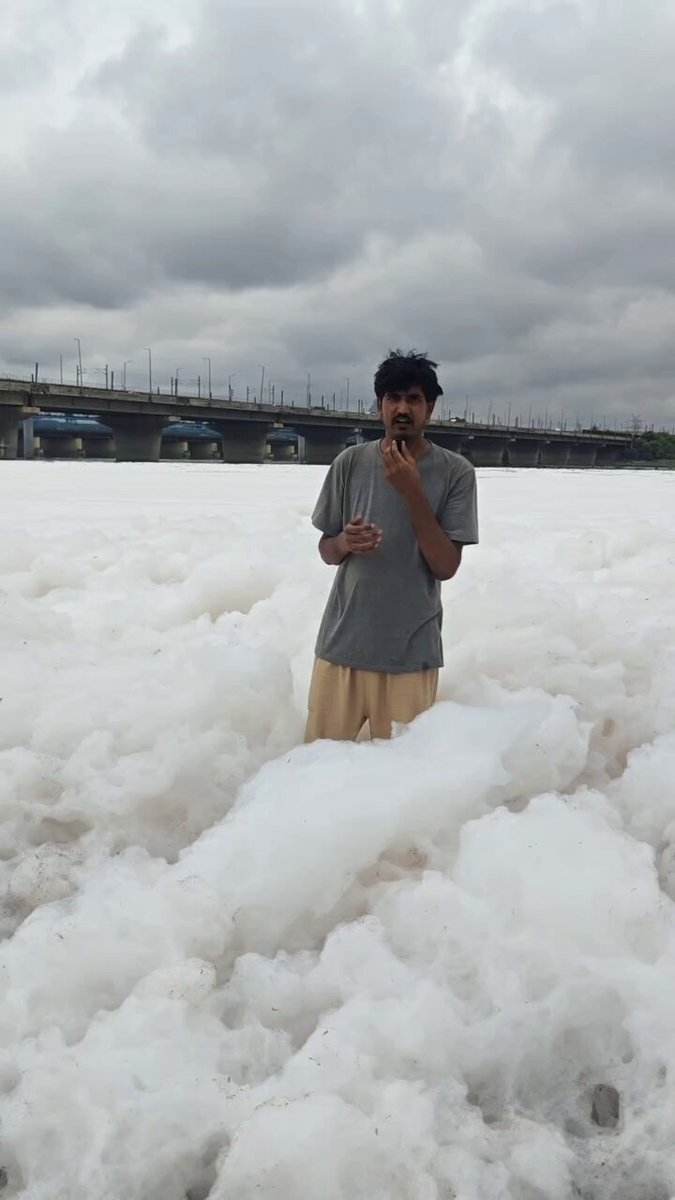
The Yamuna River has faced severe pollution challenges over the years, largely attributed to industrial waste, sewage disposal, and urban runoff. Current reports indicate that sections of the river have become hazardous to both human health and local ecosystems. Zubair suggests that the reality of the Yamuna’s pollution contradicts the more positive framing presented by certain media figures, creating a need for balanced reporting. The public’s understanding of these challenges is critical for driving accountability and action from authorities.
The Role of Social Media in Environmental Discourse
Zubair’s tweet exemplifies the power of social media in shaping conversations around environmental issues. Platforms like Twitter allow commentators to challenge and interrogate perspectives promoted by mainstream media. By highlighting discrepancies in how issues are reported, Zubair advocates for a more comprehensive understanding of river pollution and its implications. This back-and-forth between media and social platforms indicates a growing public engagement surrounding environmental accountability.
Why This Matters
The discourse surrounding river pollution in India is not merely an environmental issue; it is deeply tied to public health, urban infrastructure, and socio-economic development. With journalists and commentators actively engaging in this conversation, the potential for policy change and increased public awareness rises exponentially. Furthermore, as communities grapple with the realities of polluted water supplies, the demand for transparent and nuanced discussions becomes increasingly urgent. The juxtaposition of views from journalists and environmentalists underscores the need for inclusive dialogue to ensure the welfare of citizens and ecosystems alike.
Frequently Asked Questions
What are the main pollutants affecting the Yamuna River?
The Yamuna River is primarily affected by industrial waste discharge, untreated sewage, agricultural runoff, and urban debris, contributing to severe water quality deterioration.
What actions can be taken to reduce pollution in Indian rivers?
Strategies include stricter enforcement of environmental laws, investment in sewage treatment infrastructure, public awareness campaigns, and promoting sustainable agricultural practices.
Why is public discourse about river pollution important?
Public discourse raises awareness, holds policymakers accountable, and can lead to reformative actions that prioritize environmental health and protect communities relying on these water sources.
How can individuals contribute to river conservation efforts?
Individuals can participate by advocating for environmental awareness through community initiatives, volunteering for clean-up drives, supporting policies aimed at conservation, and using social media to raise awareness about river pollution issues.