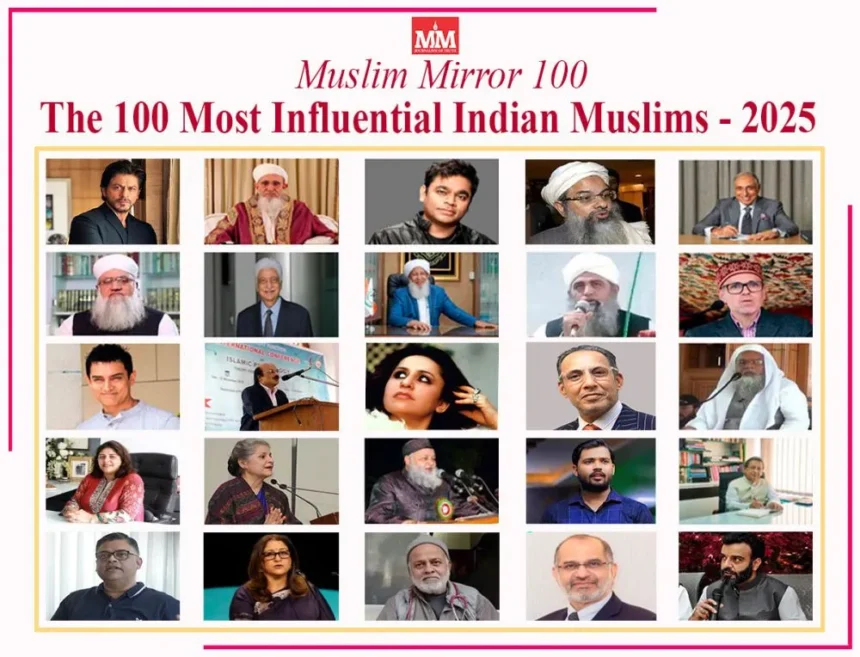

As India’s socio-political landscape evolves, the “100 Most Influential Indian Muslims of 2025” list released by Muslim Mirror highlights both the achievements and the marginalization faced by Indian Muslims under the governance of the BJP and affiliated Sangh Parivar. This annual compilation brings attention to a diverse array of leaders while underscoring ongoing issues impacting the community, such as economic boycotts, social exclusion, and political disenfranchisement.
Emerging Voices Amidst Discrimination
The 2025 list prominently features younger achievers, marking a noted shift in the narrative of Indian Muslim leadership. Among the individuals recognized are activists and professionals who have risen through grassroots advocacy and social engagement. This inclusion is particularly significant given the historical backdrop of discrimination against Muslims in India, where marginalized voices are often overlooked. The ongoing culture of exclusion often means that even those who achieve notable success face challenges in gaining acceptance within broader societal structures.
The Economic Pressures of Boycotts
A critical observation from the list is the representation of influential Muslim entrepreneurs such as Irfan Razack and Yusuff Ali, who continue to thrive in business. However, there’s an undercurrent of economic boycotts and pressures that affect the ability of many Muslim businesses to flourish. Reports indicate that certain sectors have seen deliberate attempts to marginalize Muslim-owned enterprises, impacting their profitability and growth. Understanding these economic challenges is crucial for acknowledging the broader implications of communal tensions on economic stability and community cohesion.
Cultural Representation in a Hostile Environment
In fields such as arts and entertainment, figures like A. R. Rahman and Shah Rukh Khan showcase the cultural contributions of Muslims in India. Despite the immense popularity and global recognition of these figures, the cultural climate remains hostile for many aspiring artists and creators who face barriers rooted in bias and discrimination. The portrayal of Muslims in media can also reinforce stereotypes, creating vulnerabilities for individuals and communities as they navigate their cultural identity amidst external pressures.
Why It Matters
The significance of the Muslim Mirror list goes beyond mere recognition; it highlights the ongoing struggles and achievements of the Indian Muslim community within a complex socio-political landscape. As the influence of the BJP and its allies continues to shape national discourse, the challenges faced by this community demand closer examination. By spotlighting both established leaders and emerging voices, this initiative aims to provoke a deeper understanding of how systemic inequalities continue to affect representation and opportunities for Indian Muslims.
Frequently Asked Questions
What is the significance of the “100 Most Influential Indian Muslims of 2025” list?
The list aims to document the sustained impact and leadership of Indian Muslims across various fields, offering recognition to both established and emerging figures while highlighting ongoing issues of discrimination and marginalization.
How does community engagement play a role in the achievements of influencers in the list?
Many recognized individuals have built their influence through grassroots activism and community engagement, showcasing how local efforts can lead to broader societal impact despite facing systemic challenges.
What challenges do Muslim entrepreneurs face in India?
Muslim entrepreneurs often contend with economic boycotts, social exclusion, and systemic barriers that inhibit their business growth, reflecting broader socio-political dynamics in the country.
How are cultural representations of Muslims affecting their societal standing?
Cultural representations can reinforce stereotypes and biases, complicating the identity and opportunities for Muslim individuals seeking to express their creativity and cultural heritage in a politically charged environment.