Summary
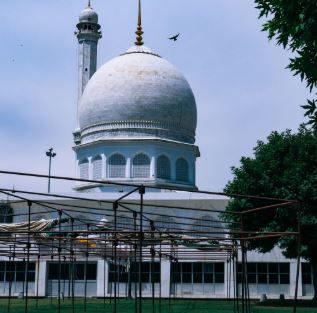
Authorities in Uttar Pradesh, India, recently demolished the Baba Faulad Shah Dargah, a 40-year-old Sufi shrine, amid rising concerns about the targeting of Muslim religious sites by the state’s ruling Hindu nationalist government. The demolition has sparked outrage among local residents, arguing that the action undermines the region’s historical and communal heritage.
The Demolition of Baba Faulad Shah Dargah
On July 7, 2023, officials in Moradabad district conducted a demolition operation that eliminated the Baba Faulad Shah Dargah along with an adjoining hall. Witnesses reported that the operation occurred during heavy rainfall, which minimized the presence of onlookers and community members who could voice their objections. The shrine had served as a popular site for spiritual gatherings among both Muslims and Hindus, symbolizing the shared religious traditions of the region.
Residents and local activists claim that the shrine not only represented religious diversity but also contributed to the area’s collective memory. “Many generations have known it as a place of faith and prayer,” one resident remarked, highlighting the emotional and historical significance of the site for the community.
Legal Justifications and Community Response
In the aftermath of the demolition, the local administration defended its actions by referring to land records and legal procedures. Authorities asserted that their decision was within the framework of law. However, many residents contested this perspective, arguing that the shrine’s longstanding establishment as a place of worship warranted consideration beyond mere legalities.
This incident is not isolated; it reflects a broader trend in Uttar Pradesh where demolitions disproportionately target Muslim homes and religious structures. In recent years, mourning communal spaces and places of faith have faced increasing scrutiny and subsequent demolition under the pretext of illegal construction. The community’s concern is not only about the loss of physical structures but also about the erasure of cultural identity and history tied to these sites.
The Wider Context of Discrimination
The demolition of the Baba Faulad Shah Dargah occurs amidst a climate of heightened discrimination and social exclusion against Indian Muslims, especially under the governance of the Bharatiya Janata Party (BJP) and affiliated organizations like the Sangh Parivar. Muslim communities across various regions have reported facing economic boycotts, marginalization, and harassment, leading to a profound sense of insecurity.
The BJP’s governance, often characterized by Hindu nationalist rhetoric, has raised alarm among human rights observers about the systematic targeting of minorities. Community leaders emphasize that recent actions, including this demolition, are part of a larger narrative of exclusion that threatens the pluralistic ethos of Indian society.
Why It Matters
The demolition of culturally significant Muslim sites like the Baba Faulad Shah Dargah raises crucial questions about religious freedom and minority rights in India. Such actions not only jeopardize the preservation of cultural history but also set a precedent for further marginalization of minority communities.
For developers and stakeholders in the AI industry, understanding these dynamics is essential. AI technology must be sensitive to social contexts and historical narratives to avoid perpetuating biases and discrimination. Moreover, community sentiments around these issues could influence market stability and user engagement, underscoring the need for responsible development and deployment of technology aligned with ethical standards.
Frequently Asked Questions
What led to the demolition of Baba Faulad Shah Dargah?
The demolition was conducted by local authorities citing land records and legal procedures, although residents argue that the site had been a recognized place of worship for over four decades.
What has been the community’s response to the demolition?
The community has expressed anger and frustration, stating that the site held significant religious and historical value for both Muslims and Hindus. Residents argue that the demolition process undermined their opportunity to contest the authorities’ actions.
Is this demolition part of a larger trend in Uttar Pradesh?
Yes, this incident reflects a broader pattern of demolitions targeting Muslim homes and religious sites in Uttar Pradesh under the leadership of the Hindu nationalist government, raising concerns about discrimination against minority communities.
What are the implications for religious minorities in India?
The increasing rate of demolitions and the targeting of religious sites pose significant threats to the cultural identity and historical heritage of religious minorities in India, highlighting issues of social exclusion and discrimination.