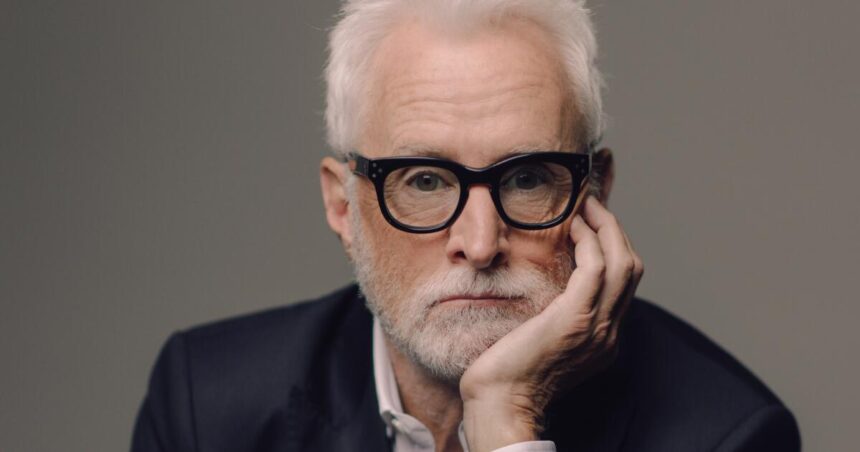

John Slattery, renowned for his role in “Mad Men,” stars as a faded version of himself in the comedy “Gail Daughtry and the Celebrity Sex Pass.” The film, directed by David Wain, explores themes of celebrity, self-deprecation, and the anxieties of Hollywood, resonating deeply with audiences frustrated by their own struggles.
A New Role for John Slattery
In “Gail Daughtry and the Celebrity Sex Pass,” John Slattery steps out of his comfort zone, portraying an out-of-work actor who hasn’t landed a role in a decade. As he reads the script, he humorously questions how accurate that portrayal is, highlighting the absurdity of self-critique in Hollywood. Known for his sophisticated character as Roger Sterling, Slattery embraces this opportunity to showcase a different, more vulnerable side of himself.
Slattery reflects, “It seems like the wildest character I’ve played in a while, and it’s me.” His transition from the suave advertising executive to a desperate actor almost seems like an ironic comedic twist that the audience is eager to witness.
The Essence of Comedy and Self-Deprecation
In an industry that often celebrates glamor and perfection, Slattery’s willingness to become the butt of a joke is refreshingly candid. He reveals how this approach to comedy, especially when portraying a “confident moron,” emphasizes the skill involved in making relatable, albeit silly, art. He states, “There’s nothing funnier to me than a confident moron,” implying that the charm of such a character lies in his unabashed foolishness.
As the film unfolds, what starts as an exercise in comic self-demolition morphs into a loveable character. The unravelling of Slattery’s character captures truths about fame, ego, and the transient nature of success, echoing sentiments that resonate with people globally, including Indian audiences who appreciate humor intertwined with poignant life lessons.
Navigating Hollywood’s Anxieties
In an era punctuated by the COVID-19 pandemic and a significant writers’ strike, Slattery candidly discusses the palpable anxiety in Hollywood. “The business has contracted,” he notes, highlighting concerns about the shrinking scope available for actors and creatives. This sentiment mirrors experiences felt worldwide, where job security in creative fields has become increasingly tenuous.
For Slattery, the insecurity post-“Mad Men” left him pondering his future in the industry. Nonetheless, he expresses gratitude for his recent opportunities. “I’m glad to be working. I’ve had a pretty lucky run of late,” he affirms, signaling that there’s still hope amidst the gloom cast over the industry—an idea that resonates across borders, especially among Indian actors navigating their own career challenges.
Why This Is Trending
The film’s exploration of celebrity culture, coupled with themes of self-doubt and resilience, strikes a chord in today’s socio-political climate. As global frustrations grow around social divisions and economic struggles, audiences, including Indians, are seeking distractions through humor. Slattery’s role exemplifies a refreshing approach to comedy that invites viewers to find joy amid chaos. Moreover, with Bollywood experiencing shifts in comedic narratives, Indian audiences are intrigued by this international counterpart and what it says about the shared human experience.
Frequently Asked Questions
What is “Gail Daughtry and the Celebrity Sex Pass” about?
The film revolves around a washed-up actor, played by John Slattery, who is approached by a Midwestern woman seeking to exploit her celebrity connections following her fiancé’s infidelity.
Why did John Slattery agree to play himself in the film?
Slattery saw it as a unique opportunity to step away from his usual roles, expressing, “This was such a funny way to depart from myself—ironically, by playing myself.”
What themes does the film explore?
The movie delves into themes of celebrity culture, self-image, and the often humorous reality of aging in an industry focused on youth and glamour.
How does Slattery feel about aging in Hollywood?
He acknowledges the anxieties surrounding aging in the industry but remains optimistic, stating that he is grateful for the opportunities he currently has.