
Summary of the Incident
A tragic incident in the Baruipur region of South 24 Parganas, West Bengal, is causing widespread outrage after a 12-year-old Muslim girl was found dead, one day after her disappearance. The case has raised serious questions regarding community safety, police responsiveness, and the implications of systemic discrimination against minority communities in India.
Details of the Crime
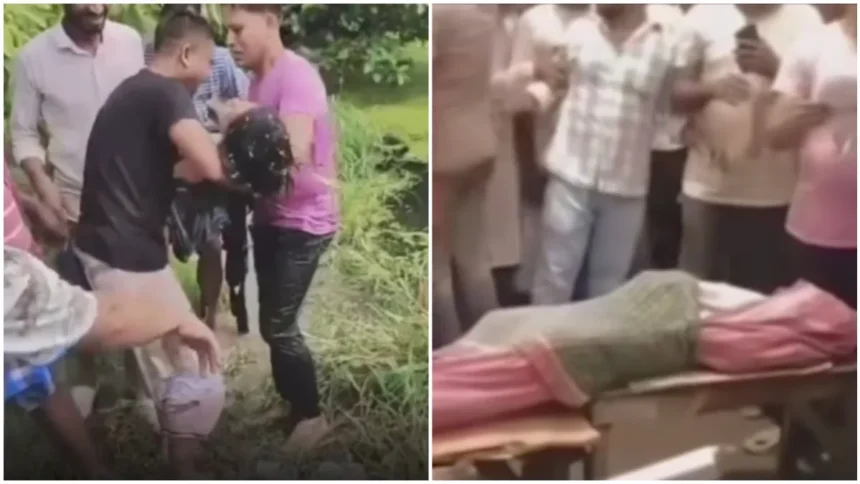
On a Saturday evening, the young girl left her home to buy food but never returned. Concerned family members reported her missing to the local police after unsuccessful efforts to find her. The family alleged that she had been abducted by a group of four to five individuals. Sadly, her body was discovered the following morning in a pond near the Surjyapur Railway Station, stuffed inside a sack. Reports from locals suggest she may have been sexually assaulted before her death; however, police have yet to officially confirm these allegations, stating that investigations are ongoing.
Community Response and Protests
The discovery of the girl’s body ignited protests in the locality, with demonstrators calling for the immediate arrest of those involved and demanding strict punishment for the accused. Chief Minister Suvendu Adhikari has promised to meet with the victim’s family to assure them of appropriate actions. Amid the unrest, additional police forces and the Central Reserve Police Force (CRPF) were deployed to maintain order, and prohibitory orders were enacted in the affected area. The situation remains tense, reflecting the deep-rooted anger within the community over this heinous crime and the perceived inadequacies of initial police response.
The Broader Context of Discrimination
This incident is not isolated but part of a larger pattern of discrimination and marginalization that Indian Muslims have faced, particularly under the current government. Reports have surfaced about systemic neglect and violence against minority communities, often exacerbated by political narratives that portray Muslims as outsiders. Community outrage over this case is compounded by accusations of police incompetence, highlighting a disturbing trend where timely action is not afforded to minority victims. Moreover, allegations have arisen suggesting that one of the detained suspects escaped police custody, intensifying community fears about police accountability and commitment to justice.
Why It Matters
The implications of this crime extend beyond immediate community grievances and speak to fundamental issues of justice, safety, and equality in India. For the Indian Muslim community, such incidents underscore the vulnerability they face amid a rising tide of sectarian politics. Distrust in law enforcement and the judicial system can lead to social fragmentation, impacting local stability and cohesion. For the global audience, this case highlights the urgent need for international scrutiny on India’s human rights practices and the role of government in fostering an inclusive society.
Frequently Asked Questions
What happened to the 12-year-old girl in West Bengal?
The girl went missing after leaving home to buy food. Her body was discovered the next day in a pond, leading to allegations of abduction and sexual assault.
How did the community react to her death?
Locals protested, demanding swift justice and accountability for the accused. They expressed anger over the police’s initial response to the girl’s disappearance.
What are the police doing in response to this case?
Authorities have detained several individuals for questioning and formed a Special Investigation Team (SIT) to conduct a thorough probe into the incident.
How does this case reflect on broader societal issues in India?
This incident highlights ongoing discrimination faced by Muslim communities in India, raising concerns about police effectiveness, societal safety, and the broader implications of systemic inequality.