
Summary
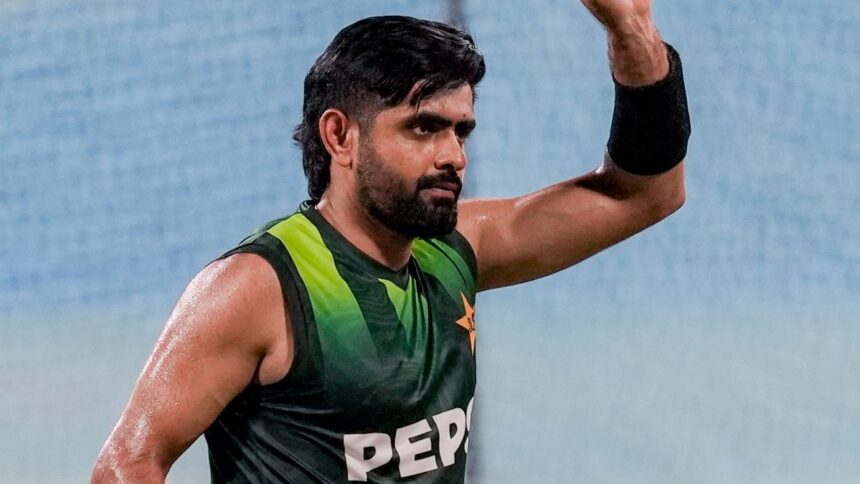
The Pakistan Cricket Board (PCB) has appointed Babar Azam as the new Test captain, replacing Shan Masood following a disappointing run under his leadership. This change comes ahead of a two-match Test series against the West Indies, where Babar aims to bring improvements to the team’s performance.
Leadership Transition in Pakistan Cricket
The PCB’s decision to reinstate Babar Azam comes after Shan Masood’s captaincy resulted in poor outcomes, with only four victories out of 16 Tests since he took over nearly three years ago. The high-performance director, Aqib Javed, cited a lack of addressed issues during Masood’s tenure. He noted crucial moments that slipped away due to mismanagement, like the failures against South Africa, which were pivotal in shaping this leadership change.
Javed specifically mentioned the missed opportunities during key matches that should have been secured by the captain and the team. Now, with Babar back at the helm, expectations are set high, and the PCB hopes to see a turnaround in fortunes, starting with the upcoming Tests against the West Indies.
Upcoming Challenges for Babar Azam
Babar Azam will lead Pakistan in a challenging setup against the West Indies, starting with the first Test in Tarouba on July 25, followed by the second Test in Port of Spain on August 2. For a captain looking to solidify his leadership, these matches are crucial. They are not just about victories but also about improving team morale and performance on the international stage.
In the context of Indian cricket, this situation shows the significance of stable and effective leadership. Babar’s experiences and skills will be under scrutiny, especially as India had its own challenges in leadership, particularly when expecting success in high-pressure matches. It becomes a test of character and strategy under Babar’s management.
Pakistan Squad for the Series
The squad named for the series against the West Indies includes experienced players along with some young talents. Here are the players selected:
- Babar Azam (c)
- Aamir Jamal
- Abdullah Fazal
- Ali Usman
- Azan Awais
- Imam ul Haq
- Khurram Shahzad
- Mohammad Abbas
- Mohammad Ali
- Mohammad Rizwan
- Mohammad Awais Zafar
- Muhammad Ghazi Ghori
- Sajid Khan
- Salman Ali Agha
- Shan Masood
- Ubaid Shah
The choice of players indicates PCB’s strategy to blend experience with youth, hoping that Babar’s leadership can inspire the newcomers while sharpening the skills of seasoned players.
What This Means
This leadership change in Pakistan cricket is noteworthy for Indian fans, particularly in the context of their own cricketing landscape. Leadership struggles in teams can significantly influence performance; as India has experienced in recent years. The expectations placed on Babar Azam to convert Pakistan’s talent into consistent victories resonate with the hopes Indian fans have for their players. Furthermore, the renewed focus on improving closing performances could be a strategic lesson for Indian cricket, particularly in how to approach tight situations in international matches.
Frequently Asked Questions
Why was Shan Masood replaced as captain?
Shan Masood was replaced due to a disappointing record of 12 losses in 16 matches, along with critical match situations that were not effectively managed under his leadership.
What is the significance of Babar Azam’s captaincy?
Babar Azam’s return as captain is significant as he is seen as a key figure who can leverage his experience to improve Pakistan’s performance, especially after a disheartening phase under Masood.
What challenges does Babar face against the West Indies?
Babar faces the challenge of earning victories in a critical series that could set the tone for his leadership. The performance against the West Indies, who can be unpredictable, adds to the challenge.
How does this affect India’s perspective on leadership?
This scenario could serve as a case study for India in terms of managing captaincy transitions and maintaining performance. It highlights the delicate balance between player morale and tactical decisions in cricket.