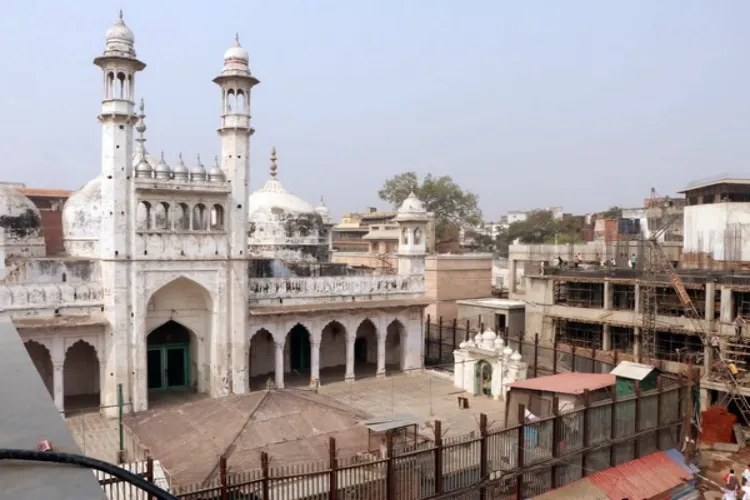

The ongoing anti-encroachment campaign in Uttar Pradesh has sparked significant controversy, particularly concerning the demolition of religious structures associated with Muslim communities. In Moradabad, a mosque was dismantled on grounds of being constructed on gram sabha land, further igniting discussions about discrimination and social marginalization faced by Indian Muslims under state policies.
Recent Demolitions and Their Context
On Wednesday, district administration officials in Moradabad took action to demolish a mosque in Ber Khera village. Authorities claimed the structure was built on gram sabha land, identified as a “khad ke gaddhe” or manure pit, which is designated for public purposes.
The demolition operation was carried out with support from police and revenue departments to ensure law and order. Superintendent of Police (Rural) Kunwar Akash Singh reported that the demolition proceeded peacefully, yet it highlights the broader issues of land ownership and religious freedoms in India. Authorities maintain a narrative of legality, stating that the mosque was constructed without proper authorization, but many community members perceive these actions as targeting specific religious groups.
Pattern of Religious Structure Removals
The Moradabad incident is not isolated. Just weeks earlier, on June 6, another mosque was removed in Didhauri village, and later, a religious site near Kanth Road was also cleared. This trend aligns with a wider initiative from the Bharatiya Janata Party (BJP) and affiliated organizations, promoting the removal of what they label “unauthorized constructions.”
The actions have raised alarm among Muslim community leaders who view them as part of a systematic approach to undermine their religious presence in public spaces. The administration emphasizes a legalistic approach to these demolitions, but critics argue that the policies disproportionately impact Muslim communities, contributing to their social exclusion and economic marginalization.
The Implications for Community Relations
The demolition operations raise questions about community relations within a diversely populated state. The ongoing efforts against illegal encroachments appear to be selectively enforced, particularly concerning Muslim religious institutions. As similar actions are reported across Uttar Pradesh—affecting other mosques, madrasas, and mazars—tensions could escalate, further alienating communities that feel targeted by the government’s policies.
Local residents have been urged to verify their land ownership status before undertaking any construction, which could disproportionately disadvantage poorer communities or those lacking legal education. This fosters a sense of insecurity and reinforces systemic inequalities that persist among marginalized populations.
Why It Matters
The unfolding situation in Uttar Pradesh is significant for understanding the socio-political climate in India, particularly concerning minority rights. As the government continues its drive against what it defines as illegal constructions, the implications extend beyond immediate community impacts, touching on broader themes of social justice, equality, and the rule of law.
For developers, policymakers, and urban planners, these events shed light on the critical need for inclusive frameworks that recognize the historical contexts of land ownership and the diversity of community needs. The issues surrounding land use regulations, public policy, and community engagement remain central in fostering social harmony in India’s multi-religious landscape.
Frequently Asked Questions
What is the reason behind the demolition of the mosque in Moradabad?
The mosque was demolished because officials claimed it was built on gram sabha land, designated for public purposes, and lacked legal authorization.
Have similar demolitions occurred recently in other locations?
Yes, prior to the Moradabad incident, similar demolitions were reported in Didhauri and other towns, reflecting a coordinated anti-encroachment initiative across Uttar Pradesh.
How are local communities responding to these demolitions?
Many local community leaders and residents have expressed concerns that these actions target Muslim religious institutions, contributing to their marginalization and social exclusion.
What can residents do to protect their property?
Residents are advised to verify land ownership and ensure they have the necessary permissions before undertaking any construction to avoid potential legal conflicts.