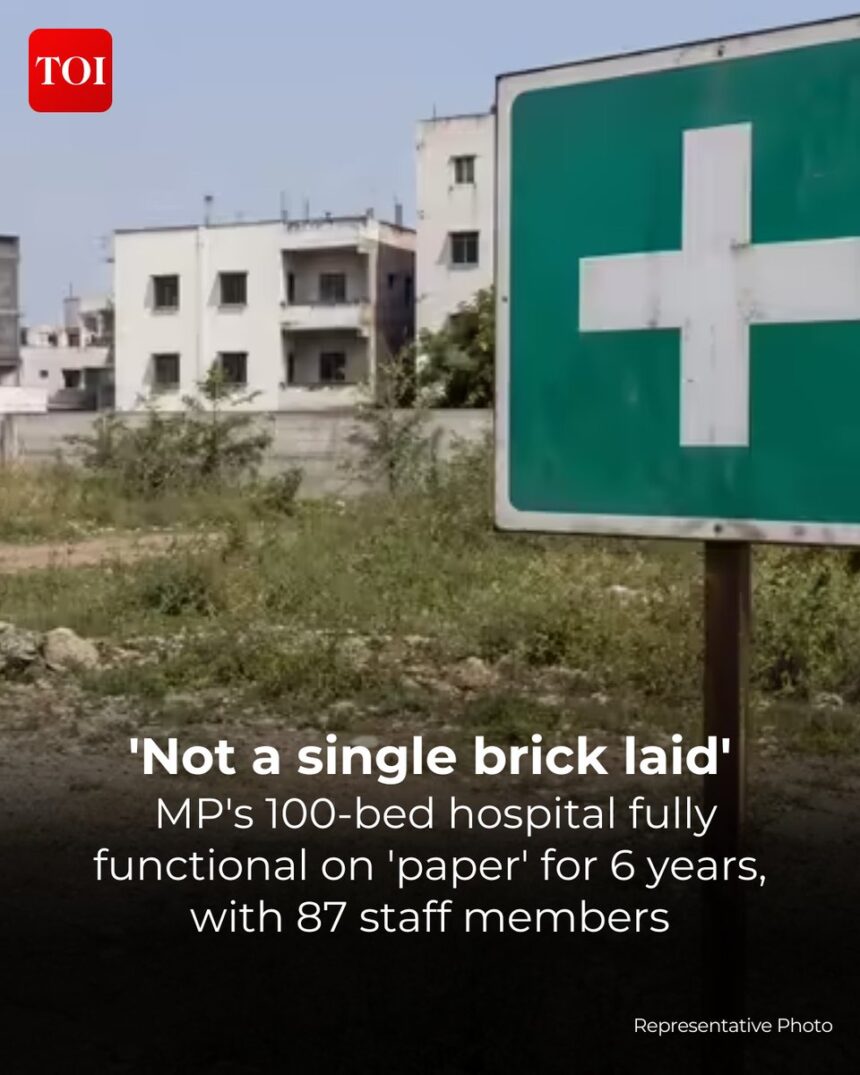

A proposed civil hospital in Indore’s Khajrana area has been functioning entirely on paper for the past six years, despite no actual construction or land acquisition having taken place. This revelation has sparked significant scrutiny and concern over administrative lapses within the local health department.
Context: An Administrative Blunder
The announcement of a 100-bed civil hospital in Khajrana was made six years ago by the Madhya Pradesh state government. The initiative was aimed at enhancing healthcare facilities in the region, particularly in areas that were underserved. However, the startling fact that the hospital exists solely on paper highlights serious flaws in municipal governance and oversight. The local health department is currently trying to investigate this anomaly, which leaves residents wondering about the transparency and efficiency of government actions.
Historical Background
Healthcare in India has long been plagued by issues of inadequate infrastructure, poor resource allocation, and administrative inefficiencies. The establishment of new health facilities, such as the proposed hospital in Khajrana, is often touted as a commitment by the government to improve healthcare services. However, the lack of real-world progress raises critical questions about the reliability of such initiatives. The absence of a finalized land plot and construction work over six years exemplifies a disturbing trend in public sector projects that fail to materialize despite enthusiastic announcements.
Public Reaction and Accountability
The news has provoked outrage among residents and local activists who have long been advocating for better healthcare services. Citizens of Khajrana are left frustrated, especially as healthcare challenges persist in their community. This situation calls for greater accountability from local officials, who must now address why this significant investment has not translated into tangible benefits for the people. The lack of transparency in administrative processes also poses a risk of mistrust between the citizens and their elected representatives.
Why This Matters
This incident is emblematic of broader issues within Indian governance, where bureaucratic inefficiencies and a lack of accountability can compromise essential services. For many citizens, healthcare is a fundamental right, yet such administrative oversights can directly affect their well-being. The case of the non-existent hospital serves as a cautionary tale about the state’s commitment to healthcare, and it raises critical questions about public health policy and governance in India. In a country where millions depend on accessible healthcare, the implications of this story reach far beyond local concerns; it serves as a reflection of systemic failures that can have nationwide effects.
Frequently Asked Questions
What is the status of the proposed hospital in Indore?
The proposed 100-bed civil hospital in Khajrana has been fully functional only on paper for six years, with no actual construction or finalized land.
What does this incident indicate about local governance?
This incident highlights serious lapses in administrative efficiency and accountability within local government, raising concerns about the management of public projects.
How should local officials respond to this situation?
Local officials should conduct a thorough investigation to determine the reasons for the lack of progress and implement measures to ensure transparency and accountability in future projects.
Why is the situation significant for residents?
The absence of a functional hospital after six years raises significant concerns about healthcare accessibility and reliability in the community, impacting public trust in the government.