
The recent demolition of at least 14 mosques and dargahs across Rajasthan and Uttar Pradesh has ignited a significant political controversy in India. Opposition leaders argue that these actions, often justified on national security grounds, represent a targeted assault on Muslim places of worship, revealing deeper issues of religious discrimination and social polarization amidst the backdrop of India’s complex socio-political landscape.
The Demolition Controversy
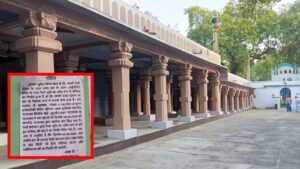
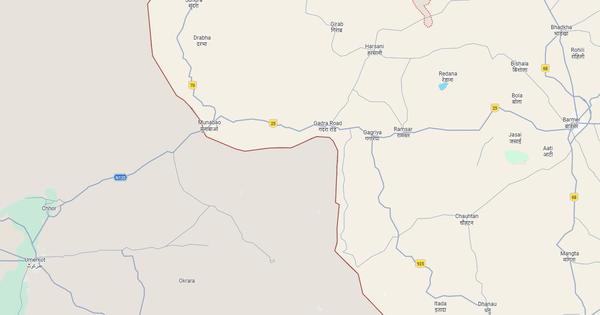
In Rajasthan, reports led by All India Majlis-e-Ittehadul Muslimeen chief Asaduddin Owaisi highlighted the demolition of four mosques in Bikaner and nine more in Phalodi, Jaisalmer, and Barmer. These areas lie near the India-Pakistan border, raising concerns that the demolitions are being portrayed as necessary for national security. Owaisi emphasized that “none of the people in these areas have ever been involved in any such activities,” suggesting that the demolitions are disproportionately targeting Muslim sites of worship.
Meanwhile, in Uttar Pradesh, authorities demolished a mosque in Moradabad, claiming it was illegally constructed on gram sabha land. Similarly, a notice concerning the demolition of the Ganj Shahida mosque in Varanasi warned of action due to allegations of illegal construction on railway land. The timing and justification of these demolitions have led to accusations from opposition leaders that the actions are selectively aimed at Muslim religious sites rather than strictly enforced across all faiths.
Political Reactions and Accusations
High-profile politicians, including Rajasthan’s former Chief Minister Ashok Gehlot, have condemned these actions. They assert that the demolitions are part of a broader agenda by the Bharatiya Janata Party (BJP) government to target “historical religious sites” while exacerbating communal tensions. Gehlot remarked that the areas along the India-Pakistan border have historically maintained communal harmony, stating, “Despite the presence of a diverse religious population, there has never been any communal tension.” He attributed the recent demolitions to political motives aimed at “creating political polarization and disrupting social fabric.”
Owaisi further intensified the discourse by claiming that notices have been issued to hundreds of religious sites, including a 250-year-old shrine in Jaisalmer. This creates an impression of a systematic approach to undermine Muslim religious entities, prompting calls for intervention from federal authorities. Both leaders have urged Union Home Minister Amit Shah to halt what they describe as discriminatory demolitions that primarily impact Muslim communities.
Broader Implications for Religious Minorities
The demolitions are not isolated incidents; reports suggest that at least 23 Muslim religious structures have been razed across multiple states, including Delhi, Gujarat, and Maharashtra, in the past few months. Critics argue that these actions reflect a troubling trend of marginalization against religious minorities in India. The Ministry of External Affairs reacted sharply to comments from Pakistani President Asif Ali Zardari condemning the demolitions, framing his remarks as unwarranted interference in India’s internal matters, and highlighting Pakistan’s own issues regarding minority rights as a counter-narrative.
As these incidents unfold, they underscore a growing concern among various civil rights organizations and international observers about the treatment of Muslims in India. The pattern of demolitions may provoke not only social unrest but also complicate India’s already intricate societal dynamics, challenging the notion of religious harmony in the country.
Why It Matters
The demolitions of religious sites matter significantly for understanding the socio-political fabric of India. They highlight a growing trend of marginalization of religious minorities, particularly Muslims, amid the rise of nationalist narratives that often equate national security with the suppression of minority rights. For developers and users in the AI industry, this situation raises ethical questions about bias in data collection and representation, especially considering how social media algorithms and AI tools can amplify division or contribute to misinformation regarding communal relations. Vigilance in developing responsible and equitable AI tools remains essential as socio-political tensions, like those seen in India, continue to affect real lives.
Frequently Asked Questions
What prompted the demolition of mosques in India?
Authorities claimed the demolitions were necessary due to illegal constructions and encroachments on government land, though many leaders argue these actions disproportionately target Muslim places of worship.
How have political leaders responded to the demolitions?
Opposition leaders, including Asaduddin Owaisi and Ashok Gehlot, have condemned the actions as discriminatory and politically motivated, alleging that they undermine communal harmony and target Muslim religious sites specifically.
What has been the international reaction to these events?
The situation drew attention internationally, especially when Pakistani President Asif Ali Zardari criticized India for the demolitions. The Indian government dismissed his comments, pointing out issues of minority rights in Pakistan.
How many religious structures have been demolished recently?
Reports indicate that at least 23 Muslim religious structures have been demolished across various states in India since May, indicating a broader trend of targeting minority religious sites.