
Iran Proposes Regional Dialogue for Collective Security in the Persian Gulf
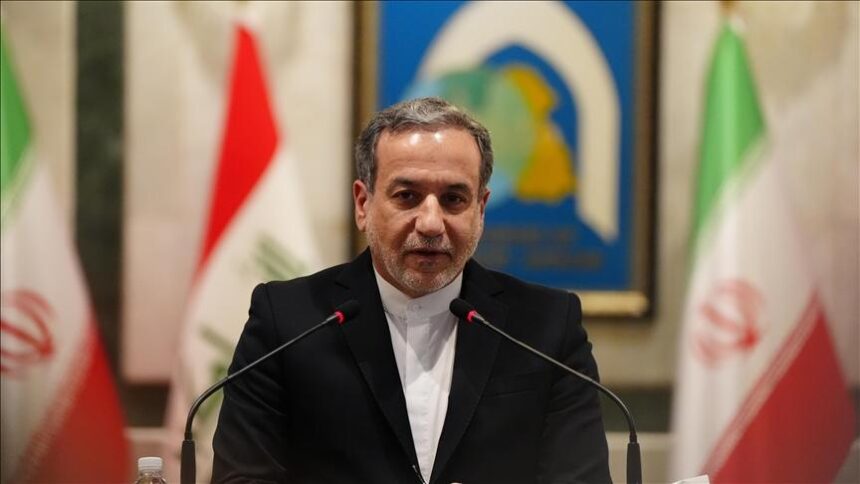
During a recent meeting in Baghdad, Iranian Foreign Minister Abbas Araqchi expressed Tehran’s willingness to engage in dialogue with neighboring Persian Gulf countries to establish a cooperative regional security mechanism. This proposal seeks to foster stability through mutual collaboration and eliminate reliance on foreign military forces, particularly in light of recent tensions involving the U.S. and Israel.
Iran’s Commitment to Secure Regional Cooperation
Araqchi’s remarks were made in a discussion with Iraqi National Security Adviser Qasim al-Aboudi, underscoring Iran’s aspirations for a united approach to security in the Persian Gulf. He stated that recent regional developments should motivate these states to come together and form a comprehensive framework that addresses security, economic, and developmental challenges without the interference of external military powers.
The Iranian foreign minister highlighted the detrimental effects of military actions by the U.S. and Israel on regional stability. He accused the U.S. of failing to uphold its commitments and breaching the Islamabad Memorandum of Understanding, thereby compromising diplomatic efforts aimed at conflict resolution. Araqchi advocated for a consensus-driven security framework aimed at fostering long-lasting peace, emphasizing cooperation among regional nations over foreign military intervention.
Strengthening Iran-Iraq Relations amid Security Concerns
In his conversation with al-Aboudi, Araqchi noted the close relationship between Iran and Iraq, particularly highlighting Iran’s support for Iraq during its struggle against the Daesh militant group. This collaboration illustrates Iran’s regional influence and its role as a key ally for Iraq in combating terrorism.
The two officials also explored ways to enhance bilateral cooperation on border security. Their discussions included reviewing the implementation of the Iran-Iraq security cooperation agreement, which aims to thwart terrorism and bolster mutual security initiatives. Such agreements are crucial in addressing the shared threats of extremism and instability in a region often plagued by conflict.
Confronting External Military Influence
Araqchi’s proposition comes at a time when many regional states are grappling with foreign military presence and influence, which they believe complicates their internal dynamics. His call for a collective security arrangement free from outside interference resonates with various nations that share concerns about sovereignty and the need for self-reliant security measures.
This approach may signal a shift towards greater regional autonomy and responsibility in addressing security issues—an admirable goal amidst increasingly tense geopolitical climates. The reinforcement of local governance structures and native cooperation could mitigate the need for foreign intervention in the region.
Why It Matters
This dialogue highlights a pivotal shift towards self-sufficiency and collaborative governance in the Persian Gulf. For Iran, establishing cooperative security frameworks could lessen external pressures and enhance regional stability. However, the intricate geopolitical tapestry complicates this narrative, with various interests at play. Achieving a balance between cooperation and the significant military presence of global powers like the U.S. will define the region’s future. The implications are far-reaching—impacting trade, cultural exchanges, and socio-political stability, ultimately shaping the lives of millions.
Frequently Asked Questions
What is the Islamabad Memorandum of Understanding?
The Islamabad Memorandum is an agreement aimed at enhancing regional security and cooperation, which Iran claims the U.S. has violated multiple times. It focuses on diplomatic commitments among participating countries.
How does Iran view the presence of foreign military forces in the region?
Iran sees foreign military presence, particularly from the U.S. and Israel, as a destabilizing factor that exacerbates regional tensions. The Iranian government advocates for a security framework that excludes these external influences.
What role does Iraq play in Iran’s regional strategy?
Iraq is seen as a vital ally for Iran, particularly in combating terrorism. The strengthening of political and security ties between the two nations supports Iran’s broader regional objectives and enhances Iraq’s security landscape.
What are the potential benefits of regional cooperation among Gulf states?
Regional cooperation could lead to reduced military conflict, improved economic stability, and stronger security frameworks that address local needs without external interference, ultimately fostering a more stable environment in the Persian Gulf region.