
Pledging Accountability: Iraq’s Battle Against Corruption
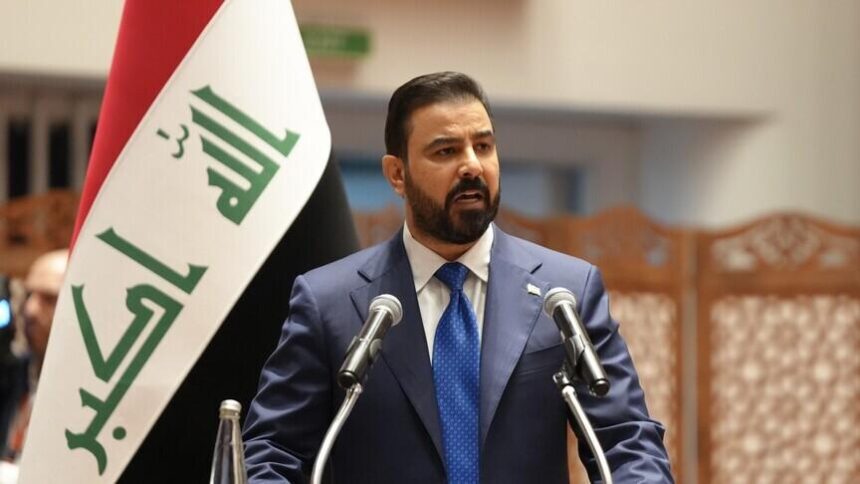
Iraqi Prime Minister Ali Al-Zaidi has announced a rigorous anti-corruption campaign, following the arrest of dozens of officials in one of the largest graft investigations in recent years. The campaign aims to reclaim embezzled state funds, signaling a serious approach to tackling corruption in Iraq’s governance.
Recent Developments in Anti-Corruption Initiatives
During a Cabinet meeting, Al-Zaidi stated that the recent arrests, which included 47 current and former officials, are only the “first phase” of a broader campaign against corruption. Among those detained were members of parliament and senior government officials, highlighting the extensive nature of the corrupt practices being investigated. The detentions were prompted by confessions from Adnan Al Jumaili, the former Deputy Oil Minister, who faces serious allegations of financial misconduct.
The Supreme Judicial Council of Iraq reported that approximately US$23 million was seized during this operation, including almost US$12.7 million in cash. Additional findings included five billion Iraqi dinars hidden on a farm and the freezing of numerous properties, luxury vehicles, and gold jewelry believed to be connected to corrupt activities.
Public Reaction and Historical Context
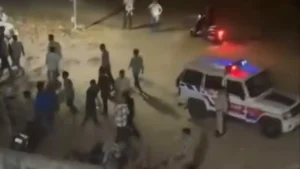
The ongoing operation has captured wide public interest, with social media circulating images of the significant cash and valuables recovered. However, analysts express cautious optimism, arguing that the long-term effectiveness of the anti-corruption campaign will depend on the continuous pursuit of investigations across Iraq’s political spectrum. Past efforts by various Iraqi governments since 2003 to tackle corruption have often failed to produce lasting results, leading many to question the motivations behind the current crackdown.
Experts warn that political rivalries may overshadow genuine reform efforts, as the operations may serve to advance the authority of the new government rather than represent a comprehensive commitment to tackling corruption.
Challenges in Governance and International Implications
Iraq is facing increasing international pressure to strengthen governance and address systemic corruption issues. Transparency International ranks Iraq among the most affected countries globally in its Corruption Perceptions Index. Billions of dollars have reportedly been lost to embezzlement over the past two decades, indicating a systemic issue that extends beyond isolated incidents.
While the initial actions taken by Al-Zaidi’s government may signal a shift toward accountability, the challenge remains in institutionalizing these changes and ensuring consistent enforcement of anti-corruption measures. The international community will be watching closely to determine whether Iraq’s current campaign marks a significant turning point or if it is merely another episode in a long history of unmet reform promises.
Why It Matters
The outcomes of this anti-corruption campaign could resonate far beyond Iraq’s borders. For a country seeking to build a stable governance structure and improve its standing in the international community, successful reform efforts could pave the way for enhanced foreign investment, economic development, and diplomatic ties. Conversely, failure to sustain momentum in tackling corruption may undermine credibility, leading to social unrest and continued economic instability.
Frequently Asked Questions
What sparked the recent anti-corruption campaign in Iraq?
The anti-corruption campaign was triggered by the arrests of several officials following confessions by the former Deputy Oil Minister, Adnan Al Jumaili, regarding financial misconduct.
What are the key findings from the initial crackdown?
Authorities seized approximately US$23 million in various forms, including cash, hidden dinars, properties, luxury vehicles, and gold jewelry believed to be tied to corrupt activities.
How has public perception reacted to these anti-corruption efforts?
The crackdown has garnered significant public attention, with many expressing hope for genuine reform, though analysts remain cautious about the campaign’s long-term effectiveness.
What are the historical challenges regarding corruption in Iraq?
Since 2003, numerous Iraqi governments have attempted anti-corruption measures with limited success, raising concerns about the current campaign’s motivations and potential effectiveness.