
Iran and France Discuss Implementation of US-Iran Understanding
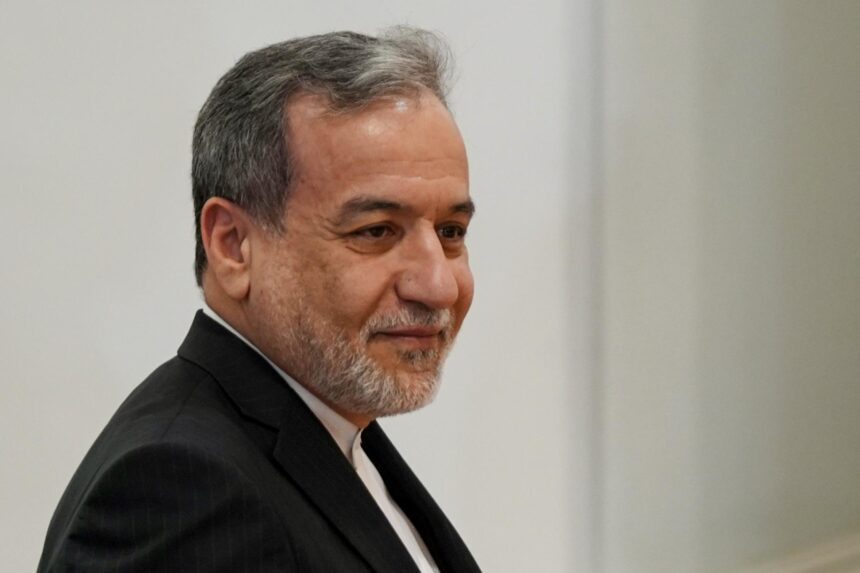
The Iranian Foreign Minister Abbas Araghchi and French counterpart Jean-Noel Barrot engaged in a phone call to deliberate the execution of the US-Iran understanding, as reported by state broadcaster IRIB. Their discussion underscores the ongoing geopolitical dynamics as various nations seek to navigate relations with Iran amid changing international circumstances.
Focus on Islamabad Memorandum of Understanding
The conversation primarily revolved around the Islamabad Memorandum of Understanding, which aims to facilitate an end to conflict and encourage negotiations. This memorandum was enacted on June 18, following electronic signatures from Iranian President Masoud Pezeshkian and US President Donald Trump, with Pakistani mediation facilitating the agreement.
The memorandum outlines multiple provisions to ease tensions between Washington and Tehran, including a cessation of hostilities, potential sanctions relief, and dialogue regarding nuclear agreements. Importantly, it also addresses the reopening of the Strait of Hormuz and involves broader discussions on regional security arrangements.
Implications of the Agreement
This latest interaction between Iran and France illustrates a significant development in international diplomacy, especially as both nations attempt to secure peace and stability in a volatile region. The memorandum’s focus on negotiations may pave the way for improved bilateral relations, potentially leading to de-escalation of current hostilities.
Moreover, the memorandum holds the potential to reshape the strategic landscape in the Middle East. By addressing outstanding issues and facilitating dialogue, it could enhance regional cooperation and security, affecting not only Iran and the U.S. but also their allies and regional stakeholders.
Why It Matters
The dialogue surrounding the implementation of the Islamabad Memorandum emphasizes the intricate dynamics of international relations, particularly in the context of U.S.-Iran ties. Such developments are crucial for understanding the broader geopolitical landscape. As nations balance their national interests with international diplomacy, the success or failure of these negotiations will likely impact trade, security, and economic ties globally.
Furthermore, the understanding and its implementation will have implications for multinational corporations, especially those in the energy sector, as stability in the region could lead to improved market conditions. On the other hand, a failure to reach successful agreements might perpetuate existing sanctions and economic boycotts against Iran, influencing oil prices and supply chains worldwide.
Frequently Asked Questions
What is the Islamabad Memorandum of Understanding?
The Islamabad Memorandum of Understanding is an agreement intended to end hostilities between the U.S. and Iran, established with Pakistani mediation. It outlines several provisions for negotiations related to conflicts and sanctions relief.
When was the memorandum signed, and who were the signatories?
The memorandum was electronically signed on June 18, with Iranian President Masoud Pezeshkian and U.S. President Donald Trump as the primary signatories.
What issues does the memorandum seek to address?
The memorandum aims to address key issues including cessation of hostilities, sanctions relief, nuclear negotiations, and regional security concerns, specifically focusing on the reopening of the Strait of Hormuz.
What are the implications of the U.S.-Iran understanding for global markets?
The implementation of the understanding could stabilize the oil market and improve economic conditions if hostilities cease, while failure may continue to prompt sanctions and economic isolation for Iran affecting global energy supply chains.