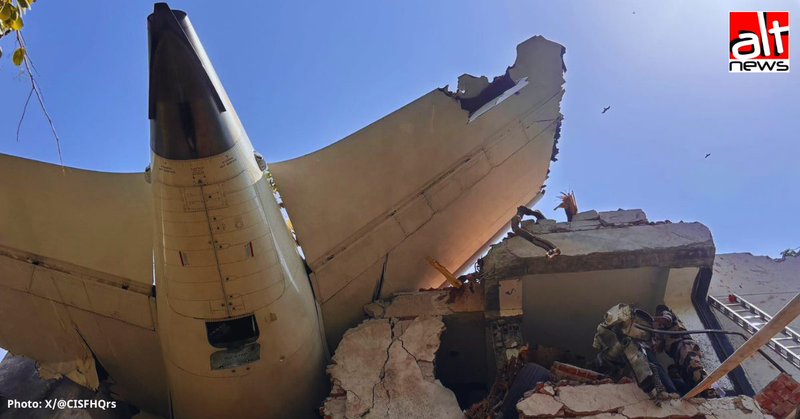

The investigation into the Air India AI171 crash, which tragically claimed the lives of 260 people, has focused heavily on a paraphrased cockpit conversation allegedly involving Capt Sumeet Sabharwal. Critics argue that this conversation, which did not mention fuel or switches and failed to identify speakers, has been misleadingly framed by the media, resulting in an unjust attribution of blame to the pilot.
Background of the AI171 Crash
On June 12, 2025, Air India flight AI171 met with disaster in Ahmedabad, marking one of the deadliest aviation incidents in Indian history. Within a short time following the crash, initial investigations began to explore the cockpit communications, ultimately leading to widespread speculation and assumptions regarding the potential failings of the pilot, Capt Sumeet Sabharwal. Family members and the aviation community demanded accountability, while the media latched onto any narrative that placed fault on human factors rather than mechanical issues.
The Controversy Over Cockpit Conversations
A significant point of contention lies in the infamous cockpit conversation referenced in the AAIB report. This conversation has been reported extensively; however, it notably did not contain terms directly related to fuel or switches. Moreover, the speakers were not explicitly named, leaving room for interpretation. Critics, including Mohammed Zubair, argue that the media’s portrayal—that the crash was due to a pilot’s mishandling of fuel switches—misaligns with the evidence presented in the official investigation. Instead, it raises questions about the precise context and content of the discussion, suggesting it may have been a benign inquiry rather than an operator error.
Media Influence and Narrative Framing
The narrative surrounding the AI171 crash has been heavily shaped by aggressive Western media outlets that were quick to implicate Capt Sabharwal based on limited evidence. Such framing may have been influenced by existing biases against non-Western aviation practices. This has potentially tainted public perception and led to a rush to judgment about the pilots involved. The lack of specific components mentioned in the AAIB report—whether it refers to an autothrottle system or other systems—further complicates the established narrative of culpability. Critics argue that the media’s inclination to present a clean, dramatic story negated a deeper exploration of the actual systemic failures or mechanical issues that may have contributed to the crash.
Why This Matters
The AI171 tragedy resonates deeply within Indian society, highlighting issues of accountability in aviation safety and regulatory oversight. It raises vital questions about how narratives are constructed in the aftermath of disasters and the role of media in shaping public perception. As the families of victims seek justice and clarity, the investigation’s integrity hangs in the balance. The discourse surrounding this incident could have lasting implications not only for aviation regulations in India but also for public trust in media and safety protocols. Proper investigation and honest recounting of events are essential for ensuring such tragedies do not recur.
Frequently Asked Questions
What was the Air India AI171 crash?
It was a catastrophic aviation incident that occurred on June 12, 2025, resulting in the deaths of 260 people. The investigation into the crash has sparked extensive debates about pilot responsibility and safety protocols.
What role did the cockpit conversation play in the investigation?
The cockpit conversation is a central piece of evidence, but it raised controversy as it reportedly did not mention critical terms like “fuel” or “switches,” nor did it identify the speakers involved.
Why is the narrative around blame important?
The framing of blame can significantly influence public opinion, accountability, and regulatory changes in aviation safety. A misunderstood narrative can mislead investigations and harm reputations without a clear basis of fact.
What lessons can be learned from this incident?
This incident underscores the importance of accurate communication, thorough investigation, and responsible media reporting in the aftermath of aviation disasters. Understanding the complexities involved is crucial to enhancing aviation safety and preventing future tragedies.