
Madras High Court Rejects Conversion-based Reservation Benefit
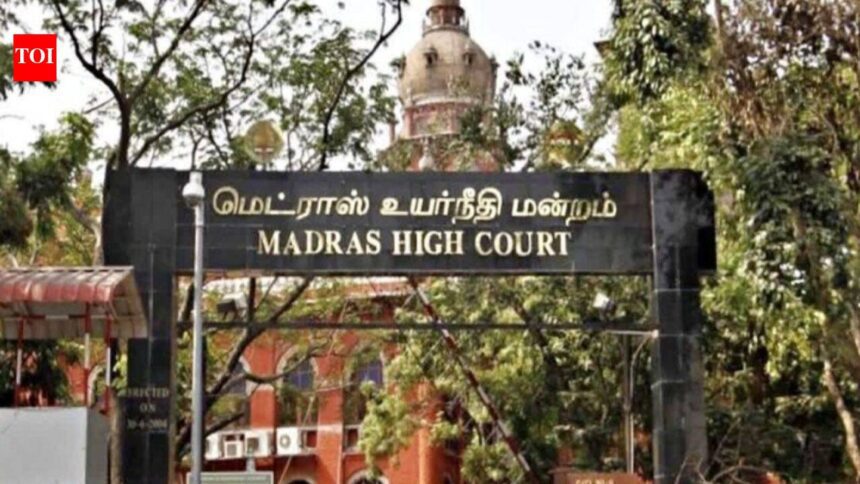
The Madras High Court recently invalidated a Tamil Nadu government order allowing converts to Islam from certain marginalized communities to retain reservation benefits under the Backward Class Muslim (BCM) category. The court held that such an order was unconstitutional, emphasizing a distinction between religious identity and social classification based on caste.
Legal Ruling and Its Implications
A division bench comprising Justices GR Swaminathan and PB Balaji determined that the executive branch could not sidestep established judicial rulings through an ordinance. The government order, issued on March 9, 2024, was found to unconstitutionally suggest that individuals converting to Islam could maintain their classification as Backward Class Muslims. The bench stated, “We hold that a convert to Islam cannot claim the status of Backward Class Muslim. He is only a Muslim and that’s all there is to it,” reinforcing the view that a conversion negates prior caste identities.
The Tamil Nadu government recognizes seven communities under the BCM category, which are essentially caste-based classifications established by birth. As such, the bench ruled that a convert to Islam cannot claim membership in any of these communities, highlighting that the notion of community should not extend to converts. This ruling is consistent with a precedent established in a 1951 judgment by the Madras High Court, which emphasized that a Hindu who converts to Islam becomes a Muslim and does not associate with any specific Muslim community.
Social Dynamics within Muslim Communities
The court’s ruling also touches on the intrinsic social dynamics within Muslim society in Tamil Nadu. Although Islam teaches equality and denounces social hierarchy, the reality of social stratification persists. Over time, various Muslim communities have emerged, often mirroring the caste systems found within Hindu society. This situation complicates the issue of social identity, particularly in the context of reservations, thereby raising questions about the legal and moral narratives surrounding community classifications.
This reflection on identity may lead to broader conversations about the ongoing marginalization of certain groups within the Muslim community in India, specifically those who feel excluded from government benefits afforded to specific communities. The court’s stance serves as a pivotal referent for examining policy matters related to social justice and equity in the country.
Impact on Reservation Policies
The rejection of the Tamil Nadu government order has significant implications for reservation policies in India. The ruling may set a precedent for how similar cases are handled across other states, potentially affecting thousands of individuals who previously relied on such classifications for educational and employment opportunities.
In an environment where economic disparities continue to persist, especially among marginalized communities, the removal of reservation benefits may contribute to increased discrimination and social exclusion. The judgment invites scrutiny on existing frameworks governing affirmative action and necessitates a reevaluation of policies that aim to uplift disadvantaged populations without undermining their religious and social identities.
Why It Matters
The implications of this ruling reach beyond legal precedents. It informs ongoing debates about social justice, equity, and the intersection of religion and government policy in India. For tech developers, particularly those engaged in AI and community outreach programs, understanding the nuances of such rulings is critical to creating tools and algorithms that respect social identities and promote equitable access to resources.
The ongoing discussions about marginalization and discrimination will intersect with technological advancements as tools designed to collect and analyze demographic data may need to address such complexities or risk perpetuating existing inequalities.
Frequently Asked Questions
What is the Backward Class Muslim (BCM) category?
The BCM category in Tamil Nadu includes select communities recognized for their socio-economic disadvantages, providing them with certain reservation benefits in education and employment.
What did the Madras High Court rule regarding converts to Islam?
The Madras High Court ruled that individuals who convert to Islam cannot retain their classification as members of the Backward Class Muslim community, stating that such classifications should be based on birth, not conversion.
What impact does this ruling have on reservation benefits?
This ruling may lead to the loss of reservation benefits for many individuals who converted to Islam from Backward Classes, posing challenges to their social and economic mobility.
How does this ruling align with previous judicial decisions?
The ruling aligns with a 1951 judgment by the Madras High Court which emphasized that conversion to Islam implies a change in religious identity but not in caste status within the Muslim community.