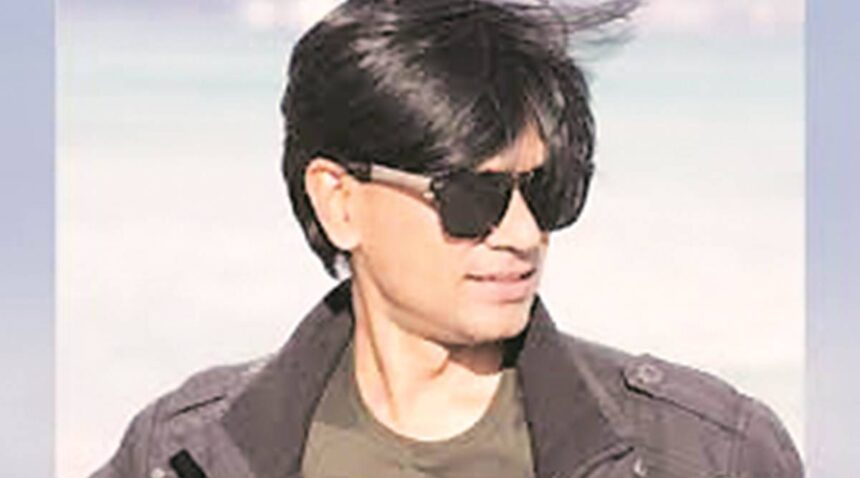

The Delhi Police Special Cell has presented findings to the Delhi High Court, asserting that Alt News co-founder Mohammed Zubair’s Twitter post contained content deemed “highly provocative” and capable of inciting communal disharmony. The post, criticized for its implications against a religious community, has sparked significant scrutiny and legal proceedings.
Background of the Case
The issues began when Zubair made a tweet that led to complaints from users who felt the content was inflammatory. The Delhi Police Special Cell was tasked with investigating the claims surrounding the post, which depicted an image accompanied by text that allegedly targeted a specific religious group. Authorities notified the court that Zubair’s actions could undermine public peace and safety.
During the investigation, Zubair joined the inquiry on June 27, 2022, acknowledging he was responsible for the contentious post related to a hotel named “Hanuman-Honeymoon.” However, the police reported that Zubair gave conflicting responses under questioning, which raised suspicions about his cooperation with the investigation.
Key Developments and Arrest
As part of the investigation, it was revealed that Zubair had instructed his family to dispose of his electronic devices in case of his arrest, a claim made by the police in their reports. His arrest on June 27 was rooted in the necessity to retrieve the laptop and mobile phone he utilized to disseminate the controversial tweet, along with probing for potentially similar inflammatory posts.
The Delhi Police Special Cell obtained a four-day custody remand to detain Zubair for further questioning. They later recovered essential evidence, including a laptop and hard disk from his residence in Bangalore, which they stated would be critical for examining the disputed content and any broader conspiratorial elements.
Legal Proceedings and Responses
The judicial approach to the case has generated considerable media attention and public debate. The Chief Metropolitan Magistrate (CMM) of Patiala House Court permitted the Special Cell to hold Zubair for questioning, but he was later granted bail by the Additional Sessions Judge on July 15. The developments indicate a complex legal battle ahead, as both the defense and prosecution prepare to argue the case based on the admissibility of the evidence seized during police custody.
Additionally, the Supreme Court has intervened, dissolving a special investigation team formed by Uttar Pradesh regarding parallel allegations against Zubair and granting him interim bail in several related cases. This signifies a higher-level scrutiny of the legal proceedings initiated against him, further highlighting the contentious nature of his tweets.
Why This Matters
The implications of this case extend beyond Zubair as it touches on broader themes of freedom of expression, communal tensions, and the role of social media in modern India. The questions raised about the enforcement of laws regarding hate speech and religious sentiment are critical, as they reflect ongoing societal challenges surrounding freedom of dialogue versus maintaining public order.
This case is pivotal for understanding the current climate of political discourse in India, especially regarding the treatment of dissenting voices in the face of rising communal sensitivity. The outcome could set significant precedents influencing how social media is regulated and how content creators may navigate the legal landscape concerning expression of opinion.
Frequently Asked Questions
What was the nature of the tweet made by Mohammed Zubair?
The tweet was deemed highly provocative and was criticized for containing content that allegedly targeted a specific religious community, inciting feelings of hatred and jeopardizing public tranquility.
What were the police’s claims during the investigation?
The Delhi Police claimed that Zubair’s responses were evasive and that he attempted to mislead the investigation. They also accused him of advising his family to dispose of his electronic devices if he was arrested.
What legal actions have occurred in this case?
Zubair was initially arrested and held for police questioning, but he was subsequently granted bail after a few weeks in custody. Supreme Court interventions have also led to a suspension of a special investigation team formed against him in Uttar Pradesh, transferring cases to Delhi.
How does this case relate to freedom of expression in India?
This case highlights the ongoing tension in India surrounding the boundaries of free speech, particularly in a digital age where social media posts can lead to legal scrutiny and accusations of inciting communal discord.