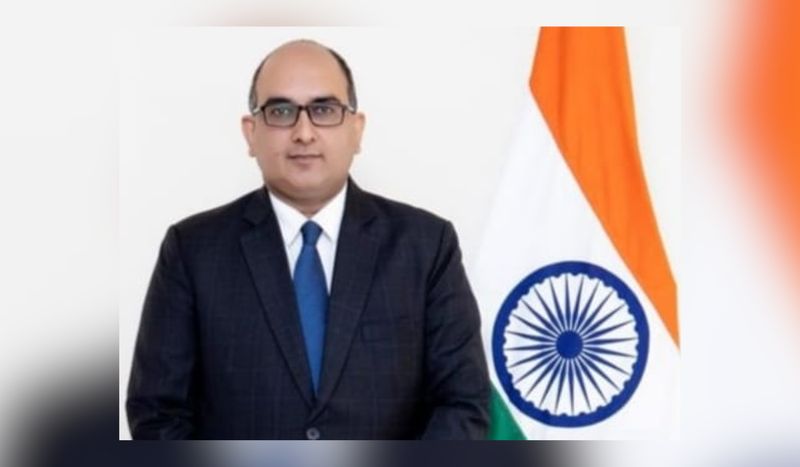

Vipul, a 1998 batch Indian Foreign Service (IFS) officer, has been appointed as India’s next ambassador to Saudi Arabia, marking a departure from the long-standing tradition of appointing Muslim diplomats to this critical post. This change raises questions about the implications for India’s diplomatic engagements and its Muslim community.
Breaking Tradition: New Diplomatic Appointment
The recent appointment of Vipul signifies a notable shift in the Indian government’s approach to diplomacy in the Gulf region. Historically, the position of ambassador to Saudi Arabia has been reserved for Muslim diplomats due to the mission’s vital role in facilitating Haj operations for thousands of Indian pilgrims each year. This convention was seen as both practical and symbolic, aligning with the cultural and religious significance of the pilgrimage.
However, the narrowing pool of qualified Muslim diplomats willing to serve in Riyadh has prompted the government to consider alternative candidates for the role. Various factors, including personal preferences and regional dynamics, have contributed to this challenge, resulting in non-traditional choices for such an essential position.
The Broader Context of Muslim Representation
The appointment of a non-Muslim ambassador raises important questions about representation and the implications for India’s Muslim community. It reflects broader societal trends where Muslims face increasing marginalization, especially in the context of rising nationalism and policies that may appear exclusionary. Critics argue that this shift in diplomatic appointments mirrors a larger trend of social and economic discrimination affecting Muslims in India.
Sectors beyond politics are also seeing repercussions, as many Muslims report experiences of social exclusion and economic boycotts. The perception of being treated as second-class citizens has intensified feelings of disenfranchisement within the community, which has lasting implications for national cohesion.
The Strategic Importance of Saudi Arabia
While the shifting appointment landscape is noteworthy, the strategic importance of Saudi Arabia in India’s foreign policy framework remains unchanged. The kingdom stands as a crucial partner for India in areas such as energy security, trade, and investment. The large Indian diaspora in Saudi Arabia also plays a significant role in fostering bilateral ties.
As the new ambassador takes charge, he will need to navigate a complex geopolitical landscape characterized by shifting alliances and regional tensions. With Saudi Arabia competing with the UAE for dominance in diplomatic and economic matters, maintaining strong ties with India will be essential for its economic ambitions.
Why It Matters
The significance of these developments extends beyond diplomatic niceties. For AI industry stakeholders as well as developers and users, these shifts indicate how national policies and appointments can influence international relations and trade. Diplomatic relationships are increasingly pivotal for technology and energy collaboration, both of which are vital to the future development of AI and innovation ecosystems. Respecting cultural sensitivities and diversifying leadership can also impact public perception which, in turn, influences consumer engagement and the market landscape.
Frequently Asked Questions
Who is Vipul?
Vipul is a 1998 batch Indian Foreign Service officer currently serving as India’s ambassador to Qatar. He has been appointed as the next Indian ambassador to Saudi Arabia, succeeding Suhel Ajaz Khan.
Why has the tradition of appointing Muslim diplomats been broken?
The appointment of a non-Muslim ambassador is a response to a shrinking pool of qualified Muslim diplomats willing to take on this role. The Indian government has opted to broaden its selection criteria in light of these challenges.
What impact could this have on India-Saudi relations?
The change in appointment may not directly affect the strategic relationship between India and Saudi Arabia, which remains vital across energy, trade, and diaspora interests. However, it raises questions about representation and inclusivity within India’s foreign policy.
Are there concerns about discrimination against Muslims in India?
Yes, there are growing concerns about social exclusion, discrimination, and economic marginalization affecting Muslims in India. This appointment adds a layer to the discourse surrounding the community’s representation in government and public life.