
Muslim Community in Assam Faces Growing Concerns Amid Political Tensions
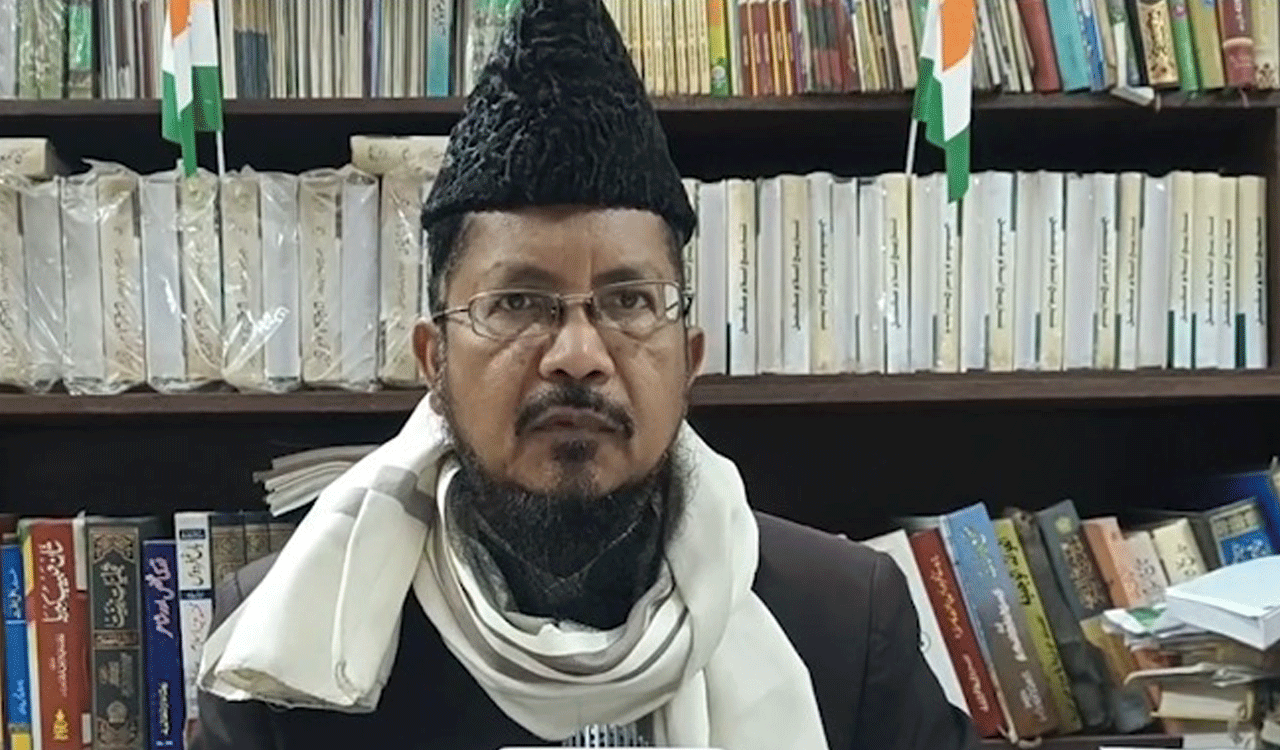
In a recent statement, AIUDF chief Badruddin Ajmal criticized Assam Chief Minister Himanta Biswa Sarma for fostering an atmosphere of fear among the Muslim community in the state. Ajmal’s comments highlight increasing tensions in Assam as political rhetoric intensifies, particularly from leaders associated with the BJP.
Accusations of Hate Speech and Division
During a press conference, Ajmal accused CM Sarma of being the most prominent politician in Assam when it comes to making hate speeches. He argued that Sarma’s remarks are contributing to the fears of Muslims in the state. “Himanta Biswa Sarma is number one when it comes to making hate comments,” Ajmal stated, suggesting that such divisive rhetoric is damaging to social cohesion. Ajmal’s recent electoral victory from the Binnakandi Assembly seat allows him to voice these concerns from a position of political strength.
Commitment to Harmony and Educational Initiatives
Despite the political turmoil, Ajmal underscored the commitment of the Muslim community to Assam’s social harmony. He referenced the educational initiatives undertaken by his charitable organization, the Ajmal Foundation. According to Ajmal, the foundation serves students from various communities, including Hindus and Muslims alike. “We have always worked for education and social development without discrimination,” he insisted, signaling an inclusive approach amid growing communal tensions.
Significance of the Upcoming Census
Ajmal also addressed the upcoming Census, urging members of the Muslim community to identify Assamese as their mother tongue. He posited that this action would symbolize their integration into Assamese culture and strengthen bonds with the broader Assamese society. By encouraging Muslims to choose Assamese on the Census, he aims to build connections amidst a climate where communal identities are often politicized.
Why It Matters
The dynamics of this political discourse are significant in the broader context of social relations in India. Increased fear and division among communities can lead to widespread disenfranchisement, which undermines democratic processes and social stability. Ajmal’s remarks highlight the precarious position of Muslim communities under governments that may perceive them through a lens of suspicion or threat, impacting their economic opportunities, educational access, and social standing. As political leaders utilize identity as a strategy, the implications for social harmony and unity are profound, not just in Assam but in the national context as well.
Frequently Asked Questions
What are the main concerns outlined by Badruddin Ajmal regarding the state of Muslims in Assam?
Ajmal claims that due to the divisive politics and hate speech of CM Himanta Biswa Sarma, the Muslim community is living in fear and experiencing increased marginalization.
What initiatives does the Ajmal Foundation provide for education?
The Ajmal Foundation operates educational institutions that cater to students from all communities, working towards social development and educational access without discrimination.
How does Ajmal propose the Muslim community should respond during the upcoming Census?
Ajmal encourages Muslims in Assam to declare Assamese as their mother tongue in the Census to emphasize their integration within Assamese society and culture.
What impact does political rhetoric have on communal relations in India, according to Ajmal?
Ajmal suggests that hate speech and divisive comments from political leaders can lead to fear, social exclusion, and hinder communal harmony, with serious implications for societal stability and inclusion.