
Summary
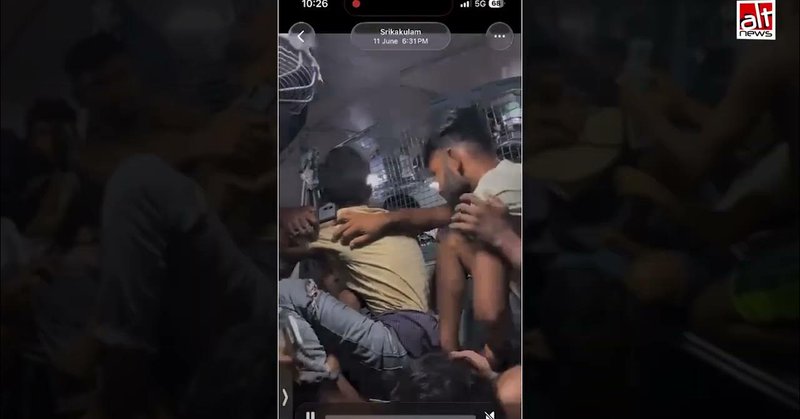
A disturbing claim surfaced on social media regarding the alleged death of a student on a train in Bihar, purportedly due to suffocation. However, a video shared alongside the claim shows the student alive, casting doubt on the authenticity of the initial reports.
Misleading Claims and Video Evidence
The claim originated from various Congress leaders who posted a video asserting that a student traveling on a train in Bihar died from suffocation. They implied a dire situation by stating the student faced life-threatening circumstances during the journey. However, further scrutiny revealed that the individual seen in the video is alive, undermining the narrative presented by these political figures. This discrepancy raises questions about the motivations behind such claims and the importance of verifying information before dissemination.
In the age of rapid information sharing, particularly on social media platforms, miscommunication can lead to serious misunderstandings. Videos can be edited, taken out of context, or misinterpreted, as seen in this instance. The misuse of social media can influence public opinion and spark unnecessary panic, particularly when depicting distressing situations.
The Broader Political Implications
The misrepresentation of facts by political leaders not only distorts public perception but also damages the credibility of those in power. This incident highlights the contentious political climate in India, where parties often scramble to capitalize on specific narratives that may serve their interests. By spreading potentially false information, political leaders risk alienating their base and undermining public trust in political institutions.
Moreover, the incident underscores the necessity for rigorous journalism and responsible leadership. Informed citizens are vital for a healthy democracy; hence, it is incumbent upon leaders to provide accurate information and for journalists to fact-check claims made by influencers of public opinion. There must be accountability for misinformation, especially in critical matters that can affect lives.
Why This Matters
This incident is significant in the context of India’s evolving political landscape, where misinformation can be weaponized for political gain. Social media’s role as a news source has escalated, leading to a potent mix of truth and falsehoods that can sway public sentiment and influence voter behavior. As the country gears up for future elections, this narrative about the student’s tragic death can lead to further polarizations, affecting not only the political parties involved but also the electorate’s perception of governance and safety on public transport.
Such events bring to light the importance of media literacy among the populace. With the ability to share and consume information at unprecedented levels, Indian citizens must develop critical thinking skills to discern fact from fiction. Ensuring that citizens engage with credible news sources will fortify the ideological fabric of Indian democracy, fostering a well-informed electorate capable of making sound political decisions.
Frequently Asked Questions
What was the claim made by Congress leaders regarding the Bihar incident?
The Congress leaders claimed that a student on a train in Bihar died of suffocation, creating a narrative of a tragic event occurring during a stressful journey.
How did the video evidence challenge these claims?
The video in question showed the student alive, which contradicted the claims of suffocation and raised concerns about the credibility of the leaders who shared it.
What are the risks associated with the spread of misinformation in politics?
Misinformation can lead to public panic, influence voter behavior, and harm the credibility of political institutions, creating a cycle of distrust and further polarizing the populace.
Why is media literacy important for citizens?
Media literacy empowers citizens to critically evaluate information, helping them distinguish between credible news and misinformation, which is essential for maintaining a functioning democracy.