
Summary: The death of Ayatollah Ali Khamenei has ignited a complex emotional response among Shia Muslims, especially in India, where his influence extends beyond religious leadership into socio-political realms. As geopolitical tensions rise, Indian Muslims, particularly Shias, are caught between mourning and societal scrutiny, reflecting broader themes of discrimination and loyalty tests imposed by the current political climate.
The Emotional Impact of Khamenei’s Death
Ayatollah Ali Khamenei was a significant figure not just politically but also religiously among Shia Muslims. His death has led to widespread mourning within Shia communities in India, which hosts one of the largest Shia populations outside Iran. For many, Khamenei was a Marja-e-Taqlid, a source of emulation providing spiritual guidance. Communities in cities like Srinagar, Lucknow, and Hyderabad, where Shia populations are significant, have expressed deep sorrow, seeing his death as a loss not just of a leader but of a spiritual authority.
Social Dynamics and Discrimination
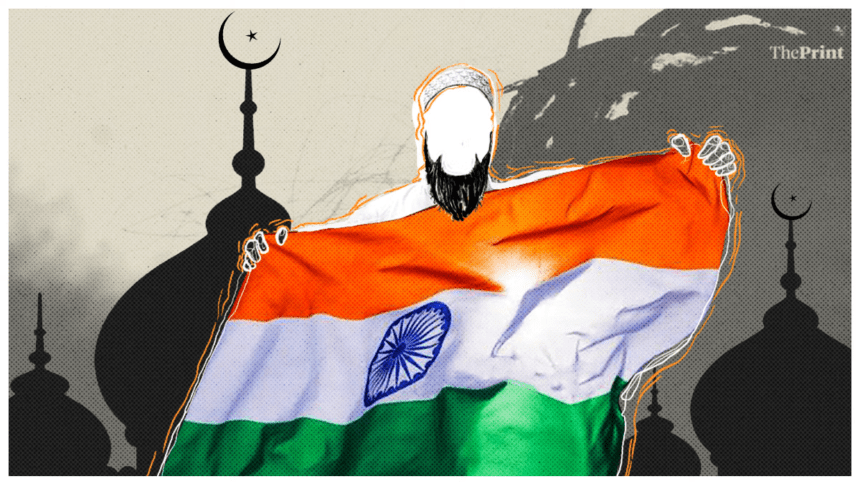
The reaction to Khamenei’s passing has highlighted existing societal divides and discrimination against Indian Muslims. Right-wing narratives have emerged, labeling all Indian Muslims as traitors simply for mourning a controversial figure. This broad-brush approach unfairly implicates an entire community based on the actions of a few and overlooks the complex realities faced by Indian Muslims, who have actively protested against terrorism and violence in their own country.
Moreover, accusations that the community has remained silent on domestic issues while expressing grief for a foreign leader ignores the ongoing struggles faced by many Indian Muslims, who deal with social exclusion and economic marginalization. This situation is exacerbated by a political environment that often discourages open expression of grief or sympathy, particularly for contentious figures.
The Intersection of Foreign Conflicts and Domestic Politics
The geopolitical landscape, especially in the Middle East, increasingly affects domestic politics in India. The reactions to Khamenei’s death serve as a reminder of how foreign conflicts can become battlegrounds for local identity politics. The fears of escalation due to military actions in the region have a direct impact on Indian citizens, raising oil prices and affecting economic stability. This connectivity underscores how conflicts abroad can shape political sentiment at home and fuel further division among communities.
As families grapple with the complexities of identity and belonging, the demand for evidence of loyalty — often measured by public expressions of grief or criticism — can create an environment rife with suspicion and intolerance. This climate threatens to erode the fabric of shared citizenship and empathy, pivotal elements that bind the diverse society in India.
Why It Matters
The ongoing discourse surrounding the responses to Khamenei’s death sheds light on broader social dynamics and polarization in India. It highlights how minority communities, particularly Muslims, often find themselves scrutinized and subjected to loyalty tests that challenge their identity and belonging. The situation calls attention to the need for a careful navigation of discourses around national identity, politics, and communal relations. This is vital for ensuring social cohesion, as continued division only exacerbates existing tensions and hinders progress towards a more inclusive society.
Frequently Asked Questions
Why is Khamenei’s death significant for Indian Muslims?
Khamenei’s death is particularly significant for Indian Muslims, especially Shias, due to his status as a spiritual and political leader, which resonates deeply within these communities in India.
How have Indian Muslims reacted to Khamenei’s death?
The reaction has been mixed, with many expressing grief while facing criticism and scrutiny from various political narratives labeling them as disloyal or unpatriotic.
What are the implications of foreign conflicts on domestic identity in India?
Foreign conflicts can lead to increased polarization within India, as local identities become intertwined with international issues, often resulting in heightened discrimination against marginalized communities.
What role do social media narratives play in shaping public perception of Indian Muslims?
Social media narratives often amplify stereotypes and mistrust, painting a simplistic picture that ignores the complexity of individual experiences within the Indian Muslim community.