
The increasing use of the term ‘Jihad’ in Indian media—from prime-time broadcasts to news posts—has drawn attention for its potential to foster communal tensions in the country. This trend is seen as undermining the spirit of unity and harmony.
Rising Usage of ‘Jihad’ in Media
In recent years, the term ‘Jihad’ has increasingly made its way into Indian news narratives, especially during discussions on terrorism and religious extremism. This trend is not limited to investigative reports but is notably present in mainstream media discussions, which may inadvertently normalize its usage in a broader societal context. As this term gains traction, it becomes associated with negative connotations towards specific communities, primarily Muslims, further exacerbating existing cultural and religious divides.
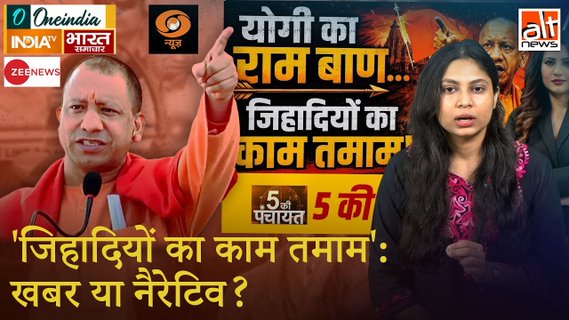
The phrase “Jihadis ka kaam tamam” (The work of Jihadis is complete) exemplifies how such language is utilized in media reports. Such phrases paint entire communities with a broad brush—leading to increased polarization. The danger lies not only in misrepresentation but also in the potential incitement of violence and discrimination against minority groups, sidelining narratives of peace and cohabitation.
Impact on Public Perception
The frequent invocation of ‘Jihad’ in media reports influences public perception significantly. If the general populace begins to associate Islam predominantly with Jihad in media discourse, it reinforces stereotypes and generates suspicion and hostility towards Muslim communities. This collective misrepresentation contributes to an atmosphere of fear and misunderstanding, placing the burden of proof on innocent individuals from those communities to assert their loyalty and patriotism.
The normalization of such rhetoric can have profound implications for how societal issues are viewed through a communal lens, complicating dialogues that should be about broader socio-economic grievances. The fragmented narrative might distract from essential conversations regarding poverty, unemployment, and injustice, instead shifting the focus onto identity politics.
Political Context and Implications
Within India’s fraught political landscape, the modulation of media language serves as a powerful tool. As political factions leverage communal sentiments to galvanize support, the media’s role becomes crucial. The framing of religious words in hyperbolic contexts fosters an environment conducive to extremist views or actions, complicating any pursuit of national unity.
In this light, the increasing use of ‘Jihad’ becomes a reflection of the socio-political climate, where polarization is strategically exploited. Political actors may benefit from such division, diverting attention away from pressing governance issues and effectively rallying support through fear.
Why This Matters
The prevalence of ‘Jihad’ in media discourse holds significant implications for the Indian sociopolitical landscape. It not only jeopardizes inter-community harmony but also threatens the secular ethos enshrined in the Constitution. As public narratives shift towards a more confrontational stance, the risk of communal riots and social unrest increases.
Additionally, this issue highlights the media’s responsibility in shaping public opinion. The choice of words can either bridge gaps between communities or deepen divisions. As the global landscape grapples with the ramifications of religious extremism, India must tread cautiously, ensuring that language choices contribute to a narrative of inclusivity rather than exclusion.
Frequently Asked Questions
What does the increased usage of ‘Jihad’ in Indian media signify?
The rising use of ‘Jihad’ signifies a trend that may heighten communal tensions and portray specific communities negatively, thereby influencing public perception and potentially inciting discrimination.
How can media language shape societal narratives?
Media language plays a critical role in shaping narratives by framing issues in certain ways that affect how the public perceives various groups, often leading to polarization and misunderstanding.
What are the political consequences of communal rhetoric in media?
Communal rhetoric can lead to an uptick in communal violence, distract from pressing socio-economic issues, and create an environment where identity politics thrive over constructive policy dialogue.
What steps can be taken to counter this trend in media discourse?
Encouraging responsible reporting, promoting inclusive narratives, and emphasizing peaceful coexistence could help counteract the divisive usage of terms like ‘Jihad’ in media discussions.