
Recent events in Dehradun, Uttarakhand, have escalated tensions as inflammatory speeches by local Hindu leaders have sparked outrage and calls for legal action. Following a violent incident linked to a water dispute and the subsequent killing of a BJP leader, communal friction has led to significant unrest in the predominantly Muslim Bairagiwala area. Activists and political leaders are expressing serious concerns regarding hate speech, calling for accountability from authorities.
Promotion of Hate Speech
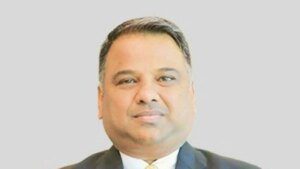
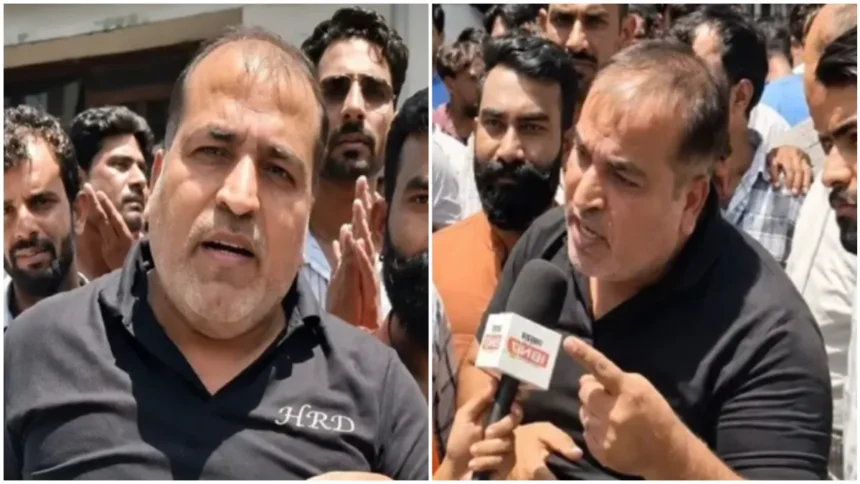
Amidst rising communal tensions, inflammatory speeches delivered by local leaders, including Lalit Sharma of the Hindu Raksha Dal, have raised alarm bells. Sharma reportedly demanded the killing of four Muslims for each Hindu death, threatening violence against Muslim women and unborn children. Such rhetoric is viewed by many as an incitement to violence, contravening laws designed to curb hate speech.
Also notable was VHP-Bajrang Dal leader Aman Swedia, who called for “blood for blood,” further fanning the flames of division. Social media has played a significant role in disseminating these statements, with videos of the speeches going viral. This has effectively turned public attention toward the urgent need for legal repercussions against such dangerous calls to violence.
Response from Authorities and Communities
Despite the damaging nature of these speeches, authorities in Uttarakhand have yet to take decisive action. Critics, including political figures and social activists, have condemned the inaction, attributing it to a broader culture of impunity enjoyed by leaders associated with the BJP and its affiliated groups. Leaders like Mehbooba Mufti from the Jammu and Kashmir People’s Democratic Party highlighted that such normalization of hate speech reveals a systemic issue entrenched in India’s political landscape.
The aftermath of the violence has seen diverse reactions from communities, particularly among the Muslim population, who are increasingly feeling marginalized. Incidents of arson and stone-pelting against a Muslim locality paint a grim picture of societal divisions worsening due to these incendiary comments. Some social media users have criticized Sharma as a “terrorist” being sheltered by the government, underscoring a growing distrust in public institutions to protect minority rights.
The Cycle of Violence and Marginalization
The incident is emblematic of a troubling pattern affecting Muslims in India, where communal strife often leads to violent repercussions and social exclusion. Following the death of BJP leader Vinod Kumar Kashyap, clashes intensified and properties allegedly belonging to the accused were demolished by authorities, raising questions about due process. Such actions reflect a nuanced wariness among minorities, who perceive state mechanisms as being biased against them.
The wider ramifications of these events extend beyond immediate community safety. They serve as indicators of a systemic issue where certain religious communities are consistently marginalized, often framed within the context of political agendas. The fallout can lead to economic boycotts and increased social exclusion, thus deepening the chasm between different social groups in India.
Why It Matters
This situation holds significant implications for social cohesion and communal harmony in India. The normalization of hate speech not only affects the targeted communities but also shapes the socio-political landscape, leading to potential unrest and violence. The ongoing tensions underscore the need for robust legal frameworks to combat hate speech, along with renewed commitment from authorities to uphold the rights of all citizens, regardless of their religious affiliations. Moreover, as nationalism and religious identity intertwine in Indian politics, the social fabric risks disintegration, making it crucial for policymakers to prioritize inclusive dialogue and community-building initiatives.
Frequently Asked Questions
What ignited the recent tensions in Dehradun?
The tensions arose after the killing of Vinod Kumar Kashyap, a BJP leader, which led to violent clashes and inflammatory speeches by local Hindu leaders, escalating communal friction in the area.
What are the implications of the speeches made by Hindu leaders?
The speeches have been interpreted as incitement to violence, leading to calls for legal action against the speakers and raising broader concerns about hate speech and social division in India.
How have community responses differed following the violence?
The reaction has been predominantly one of condemnation from various community leaders and activists, particularly among Muslims, who feel increasingly marginalized, while some Hindu groups exhibit retaliatory sentiments.
Why is legal action not being taken against hate speech in this context?
Authorities have yet to announce specific actions against the speakers, which has led critics to argue that there is a systemic bias and culture of impunity for those affiliated with the ruling BJP and its associated groups.