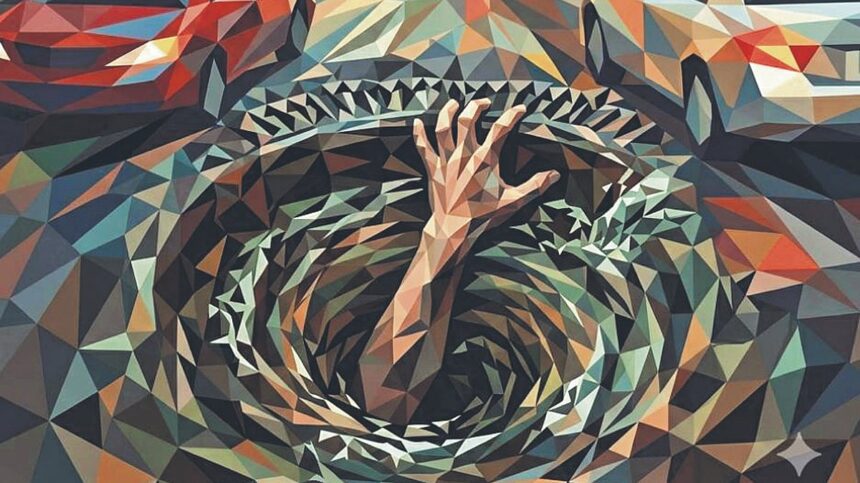

Understanding the Current Landscape for Indian Muslims
The landscape for Indian Muslims has been complex and multifaceted, particularly in the context of socio-political changes brought about by the rise of the Bharatiya Janata Party (BJP) and its Hindutva agenda. Despite prevalent narratives of victimhood, many within the community are thriving in various sectors, challenging assumptions of marginalization.
Economic Progress and Community Resilience
Contrary to the notion that Indian Muslims are merely victims of socio-economic policies, the reality is more nuanced. The 2011 Census records the Muslim population in India at 172 million, marking them as the second-largest religious group in the nation. Notable figures like Azim Premji, the founder of Wipro, have contributed significantly to social causes, donating $21 billion towards education and healthcare. Likewise, Yusuf Hamied, the chairman of Cipla, has revolutionized the access to affordable AIDS medication globally, showcasing the community’s contributions to major health challenges.
The success of Indian Muslims extends into popular culture as well; AR Rahman, a celebrated musician, is embraced across both religious divides, with his music resonating in temples and nightclubs alike. This points to a broader narrative that transcends the victim trope often adopted in politics and media.
The Challenges of Representation and Participation
While the achievements of Indian Muslims are significant, challenges remain, particularly concerning representation in political and civil spheres. The representation of Muslims in Parliament, state assemblies, and civil services remains disproportionate relative to their population size. The male work participation rate for Muslim males stands at 536 per thousand, notably lower than their Hindu counterparts at 760 and Sikh males at 568. Compounding this issue, the participation rates drop by 30-40 percent when women are included in the analysis.
The existence of a narrative framing Muslims as a marginalized community serves dual purposes: it mobilizes voter sentiment but also obscures the substantial contributions and resilience demonstrated by the community. The portrayal of Muslims as simply victims overlooks the structural challenges that require sustained public policy efforts and investment.
The Role of Structural Discrimination
Structural discrimination against Indian Muslims can be observed through several lenses, including economic boycotts, social exclusion, and targeted political discourses. The Hindutva ideology, associated strongly with the BJP, has often propagated the idea of ‘othering,’ framing Muslims as a threat to national identity. The echoing slogans like “Muslim khatre mein hai!” illustrate this narrative, though it is often countered by the substantial achievements of the Muslim community. The emphasis on victimhood can obscure the community’s actual socio-economic dynamics, which are marked by empowerment and resilience.
Despite ongoing challenges, the community has developed robust networks for political representation and advocacy, ensuring a voice in the national dialogue. However, for many, the question remains whether these successes can be sustained or if they will be overshadowed by populist narratives that lean into division rather than unity.
Why It Matters
Understanding the socio-economic landscape of Indian Muslims is vital for various stakeholders, including policymakers, scholars, and civil society organizations. The dynamics presented challenge simplistic binaries of victim and perpetrator, suggesting a more complex interplay of empowerment and marginalization. For developers and users examining the AI landscape, insights gained from this context may aid in the creation of solutions tailored to address real challenges faced by diverse communities, thereby ensuring equitable access to resources and opportunities.
Frequently Asked Questions
What is the current population of Muslims in India?
According to the 2011 Census, India’s Muslim population stands at approximately 172 million, making them the second-largest religious community in the country.
What significant contributions have Indian Muslims made to society?
Indian Muslims have made substantial contributions, including philanthropy by figures like Azim Premji, who donated $21 billion to education and healthcare, and the provision of affordable healthcare by Yusuf Hamied of Cipla.
Is there evidence of economic exclusion among Indian Muslims?
Yes, while many Indian Muslims are thriving, challenges such as lower work participation rates compared to other communities persist. The male work participation rate for Muslims is 536 per thousand, lower than Hindu males at 760.
How has the political narrative around Indian Muslims shifted in recent years?
The narrative has increasingly leaned towards the ‘othering’ of Muslims, particularly with the rise of the BJP and its Hindutva ideology, leading to perceptions of vulnerability and persecution despite many community members achieving considerable success.