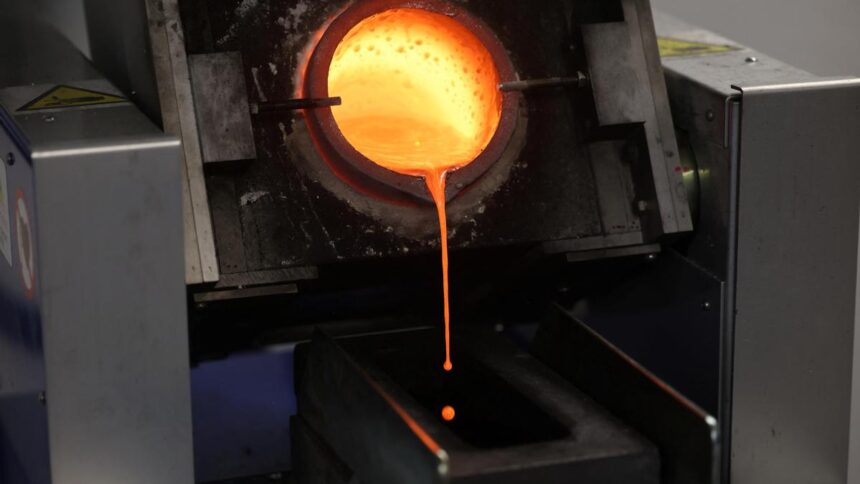

The recent decline in gold prices has catalyzed a significant uptick in the trade of old gold jewellery for new pieces in India. With government appeals promoting gold recycling, consumer awareness has heightened, leading to a notable increase in participation from both consumers and retailers in this initiative.
Gold Price Trends and Consumer Behavior
Gold prices have seen a marked decrease, with domestic rates falling by 3.7% and international prices dropping by 4.2% as of June 15. This change is attributed to a 5% depreciation of the rupee against the dollar, coupled with an increase in import duties to 15%. Such fluctuations in market prices often lead consumers to reconsider their purchasing strategies, particularly in jewellery, motivating many to exchange their old pieces for new designs.
In May, Prime Minister Narendra Modi encouraged Indians to shift their focus from purchasing new jewellery to recycling old gold as a means to curb imports and address the burgeoning current account deficit. This governmental push has fostered an environment where consumers are becoming increasingly aware of the benefits associated with recycling and exchanging their older jewellery. Rajesh Rokde, Chairman of the All India Gem and Jewellery Domestic Council, noted that since the Prime Minister’s appeal, the industry has experienced a steady rise in old gold collections through various channels.
The Growing Trend of Gold Recycling
The notion of recycling gold is gaining traction as a sustainable economic practice. Industry experts estimate that hundreds of tonnes of gold are recycled annually in India, with the trend further strengthened by rising consumer trust in organised recycling processes. Rokde highlights that recycling is not merely an economic opportunity; it also represents a sustainability initiative that preserves value within the Indian economy while reducing the need for fresh mining.
Leading retailers are increasingly implementing targeted old gold exchange programmes. Anecdotal evidence indicates that such exchanges now contribute between 5% to 15% of total business, and remarkably, can account for approximately 60% to 70% of overall sales in some outlets. For instance, Titan Company’s jewellery division, Tanishq, has partnered with renowned cricketer Sachin Tendulkar to promote their exchange initiative. In just 8 months, Tanishq has facilitated the exchange of over 10 tonnes of gold, translating to a valuation exceeding ₹1,200 crore.
Retailer Strategies and Consumer Engagement
As consumer preferences shift, jewellery brands are adapting their strategies to engage with potential customers better. Suresh Krishnan from PNG Jewellers shared that their newly inaugurated nationwide initiative “Swarna Swaraj” has received a positive response aimed at promoting recycling across all showrooms. Historically, old gold exchanges represented about 25-30% of transaction volumes, but this figure has surged to 50-60% recently, demonstrating a marked shift in consumer behavior towards recycling old gold.
Additionally, the expansion of recycling initiatives corresponds with broader economic goals of reducing foreign gold imports and enhancing local gold availability. Retailers are not only seizing this market opportunity but also responding to global calls for more environmentally responsible practices in the jewellery sector.
What This Means
The burgeoning trend of gold recycling in India underscores a significant shift in consumer mentality, influenced by both economic conditions and governmental policies. As consumers embrace the concept of exchanging old gold for newer jewellery, it fosters a more sustainable jewellery industry. This shift has the potential to reduce reliance on gold imports and thus alleviate pressure on the current account deficit. Additionally, as more consumers become involved in this circular economy, it may encourage greater investment in local jewellery craftsmanship and manufacturing, ultimately benefiting the Indian economy.
Frequently Asked Questions
Why are gold prices falling in India?
Gold prices have moderated due to a combination of international price drops and the depreciation of the rupee against the dollar, alongside increased import duties on gold.
How does old gold recycling benefit the environment?
Recycling gold reduces the need for new mining operations, which can be environmentally damaging. Every gram recycled lessens the ecological footprint associated with mining activities.
What can I expect from an old gold exchange program?
Typically, such programs offer a transparent process where you can exchange old gold for a set value towards the purchase of new jewellery, often providing customers with competitive rates based on gold market prices.
Can I recycle any type of old gold jewellery?
Yes, most old gold exchange programs accept a variety of gold items, including broken or unused jewellery, which can be melted down and refined for new pieces.