Summary
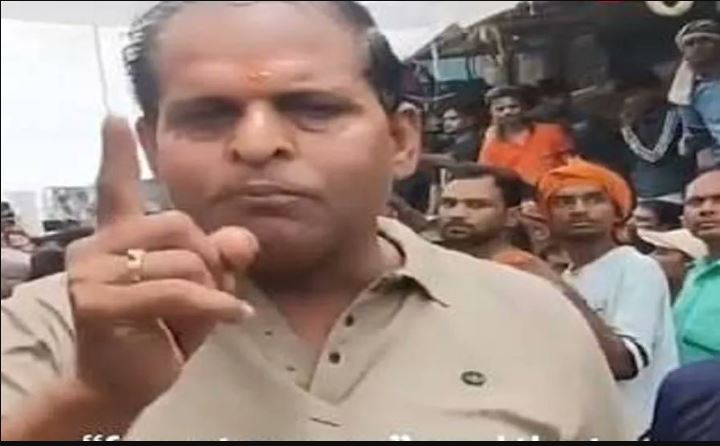
Recent remarks by Bhupesh Joshi, a leader affiliated with the Hindutva group Kali Sena in Uttarakhand, have sparked outrage as he openly called for the expulsion of Muslims and the dismantling of mosques in India. These inflammatory statements are indicative of the growing anti-Muslim sentiment within parts of Indian society, particularly among supporters of the Bharatiya Janata Party (BJP).
Militant Anti-Muslim Sentiment
During a public address in Bairagiwala village, Bhupesh Joshi made incendiary statements asserting that “Muslims have no right to live in India.” He demanded that Hindus unite to expel Muslims from the area and called for an end to Islamic practices, particularly the azaan (Islamic call to prayer). Videos of his speech have circulated widely on social media, drawing condemnation from various quarters for promoting hate and hostility toward the Muslim community.
Joshi’s rhetoric is not an isolated incident; it reflects a disturbing trend of growing hostility towards Muslims in India. The BJP and its affiliated organizations have been criticized for fostering environments where such aggressive speech and sentiments can proliferate without significant pushback from authorities.
Government Actions and Religious Discrimination
The remarks made by Joshi come in the context of a broader series of actions taken by the BJP government in Uttarakhand, where Muslim religious sites have been targeted under the pretext of “illegal encroachments.” Reports indicate that houses belonging to Muslims have been demolished, which many see as a systematic effort to marginalize the community in the region.
Such state-endorsed actions not only endanger the lives and livelihoods of Muslim citizens but also signal a troubling trend of state-sanctioned discrimination against minorities. The government’s crackdown on perceived illegal constructions predominantly affects Muslim neighborhoods, further entrenching social and economic disparities.
Public Response and Calls for Action
Social media has become a platform for backlash against Joshi’s comments, with many users condemning the hate speech and calling for the authorities to take action. Notable journalist Farhan Siddiqui labeled the remarks as a direct threat to communal harmony, stating that they reflect a broader intolerance that is becoming commonplace in Indian public discourse.
The reaction to Joshi’s comments underscores a growing awareness and intolerance for hate speech directed at minority communities, with increasing calls for accountability and justice.
Why It Matters
Understanding the climate of anti-Muslim sentiment and the state’s complicity in perpetuating discrimination is crucial for global analysts, policymakers, and activists. The normalization of such rhetoric poses a significant threat to communal harmony and democratic values, not only in India but as a case study of how majoritarian politics can influence social dynamics. For the AI industry, these dynamics also raise ethical questions regarding the moderation of extremist content online and the responsibilities of platforms to foster inclusive discourse.
Frequently Asked Questions
What did Bhupesh Joshi say about Muslims in India?
Bhupesh Joshi called for the expulsion of Muslims from Bairagiwala village and demanded the removal of mosques and an end to the azaan, declaring that Muslims have no right to live in India.
How have the authorities responded to Joshi’s speech?
Public backlash has emerged on social media, with calls for authorities to take strict action against Joshi’s hate speech. However, governmental responses to such sentiments have historically been inconsistent.
What actions have been taken against Muslim communities in Uttarakhand?
The BJP-led government in Uttarakhand has undertaken demolitions of Muslim homes and religious places, citing illegal encroachments, which many observers see as a guise for religious discrimination.
Why is this situation significant for communal harmony in India?
The remarks and actions against Muslims reflect a growing trend of intolerance and discrimination, threatening the fabric of communal harmony and raising concerns about the protection of minority rights in India.