
The intersection of caste, labor, and climate crisis in India reveals alarming social inequities, particularly affecting marginalized groups, including Dalits, Adivasis, and Muslims. With heat exposure worsening hazardous working conditions, these communities face dire consequences due to the neglect of protective measures in essential sectors like construction and sanitation.
Lethal Working Conditions in Informal Sectors
The construction and brick kiln industries in India predominantly utilize an informal workforce composed mainly of Dalit, Adivasi, and other marginalized groups. This group, often estimated to comprise about 90 percent of India’s labor market, lacks job security, contracts, or access to mandated breaks and cooling provisions. In sectors like sanitation, where heat exposure is compounded by existing hazardous working environments, the risks are even graver. According to Vishwajeet, a spokesperson for the Safai Karmachari Andolan, sanitation work predominantly falls on Dalit individuals who frequently clean sewers and public spaces without appropriate protective gear suited for extreme heat conditions.
Climate Injustice and Social Hierarchies
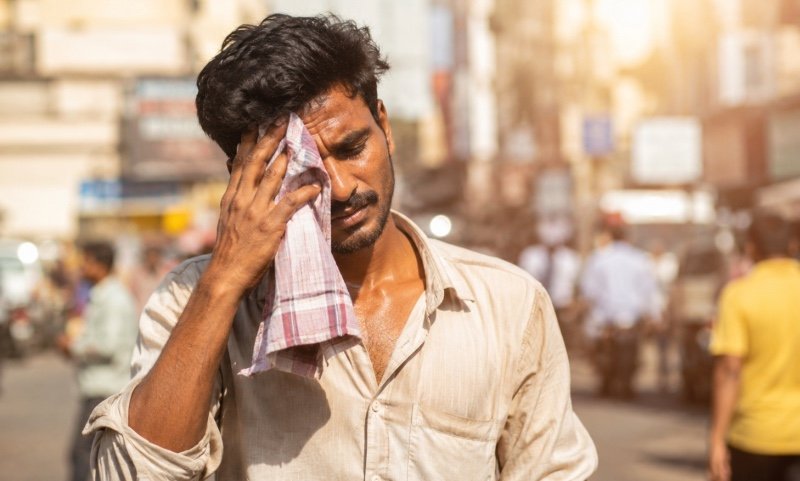
The rise in extreme temperatures is not merely a weather concern; it represents “caste violence intensified by climate injustice,” as described by the Safai Karmachari Andolan. The report outlines how the ongoing heat emergency exacerbates dangers such as dehydration, suffocation, and toxic exposure for sanitation workers, particularly women, who endure long hours outside without adequate access to drinking water, toilets, or shade. Despite the urgent need for protective measures, sanitation workers remain neglected compared to those in other sectors, highlighting entrenched social inequalities.
Impact on Labor Force and Economic Conditions
A recent report from the Centre for Science and Environment reveals that nearly 80 percent of Delhi’s workforce is engaged in the informal sector, with around 75 percent of those workers being women. Furthermore, research indicates that 92 percent of ongoing construction projects are located in areas where temperatures have surpassed 45°C at least once between 2015 and 2024. Alarmingly, over three-quarters of these sites face recurrent extreme heat. A study published in the journal Demography demonstrated a stark relationship between heat stress and lost working hours, where marginalized caste groups faced lost hours at rates significantly steeper than their dominant caste counterparts.
Why It Matters
The marginalization of specific social groups in India, especially concerning labor, has far-reaching implications. The economic marginalization faced by Dalits, Adivasis, and marginalized Muslim communities hampers social mobility and exacerbates poverty levels. The ongoing climate crisis aggravates these conditions, impacting productivity and economic viability across the labor market. Addressing these issues is crucial for ensuring equitable development, social justice, and resilience against climate change, emphasizing the need for comprehensive policy interventions.
Frequently Asked Questions
What sectors are most affected by climate change in India?
Sectors like construction and sanitation are predominantly affected, employing large informal workforces that lack safety measures and protections against extreme heat.
Who makes up the majority of India’s informal workforce?
An estimated 90 percent of India’s informal workforce consists of Dalits, Adivasis, and other marginalized groups, making them highly vulnerable to labor exploitation and dangerous working conditions.
How does caste affect job security and safety in India?
Caste plays a significant role in job assignments, with marginalized castes often relegated to the most dangerous and low-paying jobs while lacking access to basic protections like contracts and safety gear.
What urgent actions are needed to support affected workers?
There is a pressing need for the government to implement targeted resilience measures for marginalized workers, particularly in high-risk sectors. Ensuring access to protective equipment, adequate breaks, and safe working conditions is crucial for their survival and productivity.