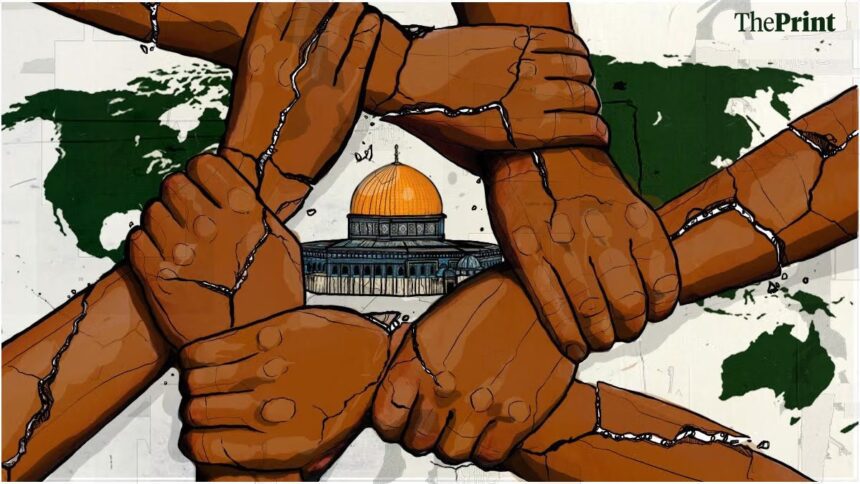

The ongoing conflict between the US-Israel and Iran is not solely an international issue; it reverberates through societal discussions, influencing perceptions and identities across the globe, including in India. The reactions from various communities, especially Indian Muslims, reveal a complex interplay of historical narratives, political positioning, and identity-driven emotional responses.
Indian Muslim Perspectives on Iran
Among Indian Muslims, notably Shia and Sunni communities, political allegiances often intertwine with religious sentiments. The Shia community’s support for Iran stems from a shared religious identity and historical context. Iran, under Ayatollah Khamenei’s leadership, is seen not just as a political entity but as a bold challenger of Western dominance, which resonates on a deeper level within Shia traditions. This sympathy can manifest in various forms, from peaceful protests to more vocal demonstrations, particularly in Pakistan, where sentiments can lead to heightened tensions with their own state.
The Role of Identity in Political Stance
The discourse surrounding support for Iran raises questions about the broader implications of identity in shaping political positions. Some Indian Muslim voices advocate for Iran based on its historical friendship with India, asserting that this solidarity should dictate India’s foreign policy. However, this level of selective allegiance raises contradictions, especially when considering Israel’s past support for India in critical areas such as defense and technology. The ongoing challenge lies in moving beyond these identity-centric narratives to foster a nuanced understanding of global relations.
Human Rights Violation Discourse
Human rights issues play a significant role in the narrative surrounding both Iran and Israel. Critics of Israel often highlight human rights violations against Palestinians. However, similar scrutiny is rarely applied to Iran’s regime under Khamenei, which has its own record of human rights abuses. This disparity in advocacy can appear hypocritical, particularly among those who advocate for a principled stance on human rights. A balanced perspective should recognize that human rights concerns are universal and should not be applied selectively based on identity or political convenience.
Why It Matters
The complexities surrounding the narrative of Indian Muslims regarding Iran and Israel illustrate a broader challenge of navigating cultural identity in international relations. The tendency to align foreign policy closely with sectarian or ethnic identities risks oversimplifying intricate geopolitical realities. As nations increasingly grapple with an interconnected world, understanding diverse perspectives, particularly those stemming from marginalized communities, becomes essential for informed participation in global dialogues. This is particularly relevant as countries like India, with their diverse populations, must navigate these identities in crafting effective and principled foreign policies.
Frequently Asked Questions
What factors shape Indian Muslims’ support for Iran?
Support for Iran among Indian Muslims is influenced by religious identity, historical context, and political positioning. Shia Muslims, in particular, view Iran as a symbol of resistance against Western dominance.
How does this support differ between Shia and Sunni communities?
While both groups express political solidarity, Shia Muslims tend to have a more profound historical connection to Iran, often framing their support through a religious lens, whereas Sunni perspectives may vary more significantly based on political and social contexts.
Why is there a focus on human rights when discussing Israel and not Iran?
The attention on Israel’s human rights record is often amplified due to its global visibility and geopolitical significance. In contrast, Iran’s internal human rights issues receive less international scrutiny, leading to an uneven discourse around human rights violations.
What are the dangers of aligning foreign policy with identity?
Aligning foreign policy exclusively with identity can lead to a distorted understanding of global issues, neglecting the complexity of international relations. It can create oversimplified “us vs. them” narratives that hinder effective diplomatic engagement and conflict resolution.