
Muslim History Month aims to document and celebrate the diverse experiences of Muslim communities, challenging mainstream narratives often shaped by Islamophobia. Launched in 2020 by the organization Zariya, co-founded by Indian Muslim activist Mariya Salim and Dalit rights advocate Dr. Ashwini K.P., the initiative provides a platform for underrepresented voices and histories.
Islamophobia and Marginalization in India
Muslim communities in India are experiencing increasing instances of exclusion and marginalization, as narratives surrounding them often skew towards negative stereotypes. This shift towards mainstream Islamophobia is reflected not only in organized hate but also in media portrayals and cultural productions that distort the reality of Muslim lives. Films like Kerala Story 2 and frequent hate crimes contribute to a societal narrative framing Muslims as one-dimensional threats rather than as complex individuals with rich histories. Such misrepresentations exacerbate the challenges faced by Muslim communities and hinder genuine understanding.
The Birth of Muslim History Month
In response to these growing challenges, Muslim History Month was created to reclaim narrative authority and document the varied histories, cultures, and contributions of Muslims across the world. Drawing inspiration from historical movements like Black History Month and Dalit History Month, the initiative encourages contributions that highlight the diversity of Muslim experiences, including voices that often go unheard. Recognizing the importance of self-representation, Mariya Salim emphasizes the need for genuine storytelling as a counter to dominant narratives that serve to erase Muslim identities.
Engagement and Growth of the Initiative
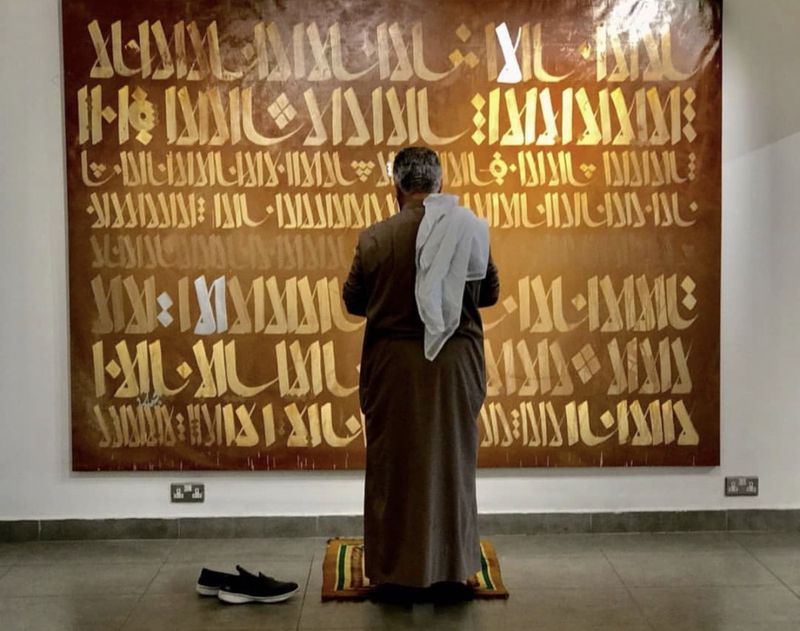
As the initiative progresses, it has evolved in scope and depth, reflecting the diverse tapestry of Muslim experiences. The first edition focused on everyday practices and overlooked communities, while the second placed a spotlight on marginalized Muslim women. The current edition is exploring Muslim art and architecture, emphasizing artistic expressions that resist dominant cultural narratives. Contributors to Muslim History Month span over 15 countries, showcasing a global tapestry of voices and experiences. Notably, creators like Mai Zarkawi, a Palestinian jewellery designer, and Rima Barakat, an art historian from Beirut, highlight the ongoing relevance of cultural expression even amid conflicts.
Why It Matters
The significance of Muslim History Month extends beyond cultural reclamation. It underscores the urgent need for platforms that address the realities of today’s socio-political climate. For developers and users in the AI industry, understanding how narratives are constructed and perpetuated is crucial. This initiative not only highlights marginalized voices but also presents a blueprint for combating misinformation and stereotypes in the digital age. As AI continues to advance, addressing how cultural narratives are framed will become increasingly vital in promoting more equitable representation and understanding across various communities.
Frequently Asked Questions
What is Muslim History Month?
Muslim History Month is a community-led initiative aimed at documenting and celebrating the diverse histories, cultures, and contributions of Muslim communities, initiated in 2020 by Zariya.
Who are the founders of Zariya?
Zariya was co-founded by Mariya Salim, an Indian Muslim woman and human rights activist, and Dr. Ashwini K.P., a Dalit woman and human rights advocate.
How does Muslim History Month combat Islamophobia?
By centering Muslim voices and narratives, the initiative seeks to counter dominant stereotypes and misrepresentations that contribute to societal Islamophobia.
Why is self-representation important in documenting histories?
Self-representation allows marginalized communities to narrate their own stories, ensuring that their experiences are accurately reflected and not framed through the lens of dominant narratives that often misrepresent or exclude them.