
The growing influence of the Rashtriya Swayamsevak Sangh (RSS) and the Bharatiya Janata Party (BJP) has raised significant concerns regarding the treatment and marginalization of Muslims in India. Recent actions, such as Karnataka Home Minister Priyank Kharge’s call for the RSS to register as an organization, highlight the urgent need for transparency and accountability within groups that wield considerable political power and influence.
The Challenge to RSS Authority
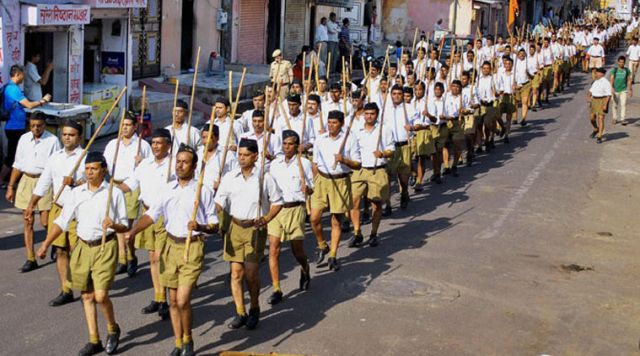
Karnataka Home Minister Priyank Kharge’s request for the RSS to register officially marks a pivotal moment in India’s political landscape. In his letter dated June 13, 2026, Kharge highlighted the organization’s extensive reach with over 60,000 shakhas and crores of swayamsevaks both domestically and globally. He emphasized that organizations promoting nationalism and discipline must adhere to the same standards of transparency and accountability as other entities, including NGOs and political organizations. This demand contrasts sharply with the long-standing, largely unchallenged position of the RSS as a cultural organization, which has been criticized for acting as the de facto ruler of India.
Threats and Intimidation
In response to Kharge’s bold stance, Sudhir Bangera, an RSS member, resorted to issuing threats against the Home Minister, declaring, “The time has come to finish you off.” This incident underscores the intimidation tactics employed by some members of the RSS when faced with challenges to their influence. Historically, such acts of aggression go unpunished, perpetuating a culture of fear and discouraging dissent both within the political sphere and among the general populace, particularly among Muslims who often find themselves at the receiving end of communal violence and discrimination.
The Fascist Narrative of the RSS
The RSS has persistently framed itself as a benign cultural organization, denying any political ambitions. However, historical statements from leaders like M.S. Golwalkar reveal a different narrative. Golwalkar openly acknowledged that RSS members operate in politics as directed by the organization. The publication “Param Vaibhav Ke Path Par,” which lists the myriad organizations spawned by the RSS, including the BJP, serves as evidence of the organization’s political aims and manipulations. This network of affiliated organizations operates with a level of clandestine control akin to a mafia, allowing the RSS to evade accountability while pushing an agenda that is starkly anti-Muslim and anti-democratic.
Why It Matters
The actions of the RSS and the BJP government have far-reaching implications for Indian democracy and social cohesion. Reports of discrimination, economic boycotts, and violence against Muslims are becoming increasingly commonplace, creating an atmosphere of exclusion and violence that undermines the foundational principles of the Indian constitution. The call for RSS accountability could mark a turning point if it emboldens other political leaders to confront extremist ideologies publicly. Furthermore, it raises critical questions regarding governance, secularism, and the rule of law in the world’s largest democracy, compelling global observers to reassess their understanding of India’s socio-political identity.
Frequently Asked Questions
What prompted Kharge’s demand for RSS registration?
Kharge’s demand stemmed from concerns over transparency and accountability, especially given the RSS’s significant influence in India’s political landscape.
How has the RSS responded to allegations of discrimination against Muslims?
The RSS has typically dismissed such allegations, claiming its activities are purely cultural and that it does not engage in political processes.
What impact could Kharge’s demand have on political discourse in India?
If he succeeds in holding the RSS accountable, it may encourage greater scrutiny of organizations influencing Indian politics and could lead to more robust protections for marginalized communities.
Is there a historical precedent for such confrontations with the RSS?
Historically, political leaders have hesitated to confront the RSS directly, fearing backlash. Recent events may signify a shift in this trend as leaders like Kharge take a stand.