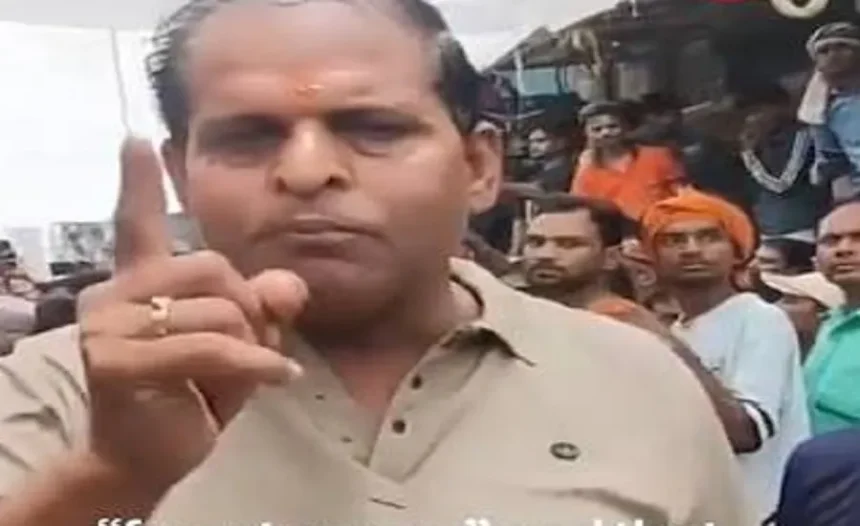

Summary: In Dehradun, Bhupesh Joshi, a leader of the Kali Sena, has publicly called for the expulsion of Muslims from a village and urged Hindus to remove mosques and halt the Islamic call to prayer. This incendiary speech has ignited further communal tensions in the region, reflecting a troubling trend of anti-Muslim sentiment in India.
Calls for Expulsion and Surveillance
During a gathering in Bairagiwala village, Bhupesh Joshi emphasized that Muslims should not be permitted to reside in the area, stating explicitly, “Muslims have no right to live in India.” His remarks call for vigilantism, urging Hindus to take matters into their own hands if authorities fail to act. Joshi warned that if the government did not take action against Muslims, his supporters would resort to using “bulldozers” themselves. This imagery highlights the aggressive tone of his rhetoric, which encourages communal violence and exclusion.
Rising Tensions in Dehradun
The backdrop of Joshi’s speech is a significant rise in communal unrest following the killing of BJP OBC Morcha leader Vinod Kumar Kashyap in a violent row over irrigation water. This incident escalated tensions, leading to arson and protests predominantly organized by Hindu factions. Protesters reportedly engaged in anti-Muslim slogans and targeted the property of individuals associated with the alleged perpetrators. Local authorities responded by demolishing what they deemed illegal encroachments linked to the accused parties, further inflaming ethnic and religious sentiments.
Reactions and Implications
Social media users have condemned Joshi’s remarks, sharing clips of his speech while calling for accountability from the authorities regarding hate speech. Notable figures, including journalist Farhan Siddiqui, characterized his statements as a direct threat to communal harmony, demanding that the government take action against such provocation. The ability to mobilize public sentiment through hate speech presents a dangerous challenge towards maintaining secular governance and religious tolerance in India.
Why It Matters
This incident mirrors a broader trend of increasing marginalization and discrimination against Muslims in India, often sanctioned or overlooked by political leaders aligned with the ruling BJP party and affiliated organizations like the Shiva Sena. Such rhetoric not only endangers community relations but also risks violent confrontations that undermine social stability. The repeated calls for the exclusion of Muslims reflect a systemic approach to erasing religious pluralism in a nation with a rich tapestry of diverse beliefs. The ramifications of this rhetoric could serve to exacerbate social divides and economic disparities faced by Muslim communities, deepening their exclusion in a country designed to be a secular democracy.
Frequently Asked Questions
What is Hindutva and its influence in India?
Hindutva is a nationalist ideology seeking to establish the hegemony of Hindu culture and values in India. This ideology often influences political discourse and policy decisions made by the ruling BJP party, leading to increasing marginalization of minority communities.
Has there been an official response to Joshi’s remarks?
As of now, it is unclear whether any formal complaints have been filed against Bhupesh Joshi’s speech, and investigations by law enforcement have not been publicly confirmed. Authorities have previously acted against communal unrest with demolitions linked to illegal encroachments, raising questions about biases in enforcement.
What has been the reaction of civil society to communal tensions?
Civil society has expressed significant concern regarding the rise in hate speech and communal violence, advocating for accountability from government officials and demanding stronger protections for marginalized religious communities to maintain India’s secular fabric.
How can hate speech affect communal harmony?
Hate speech serves to dehumanize and incite violence against targeted groups, fostering a culture of fear and mistrust. This can lead to a cycle of retaliation, further destabilizing social cohesion and exacerbating existing divides within communities.