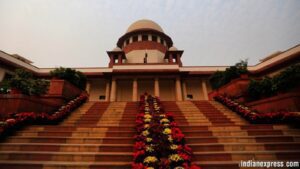

In India’s complex socio-political landscape, Muslim women face significant legal and social challenges stemming from outdated personal laws and discrimination. The Bharatiya Muslim Mahila Andolan (BMMA) is at the forefront of advocating for their rights, aiming for legal reform and protection against practices like “triple talaq” and polygamy. Their struggle highlights the deeper issues of marginalization and lack of accountability within India’s legal framework.
Legal Landscape and Vulnerability
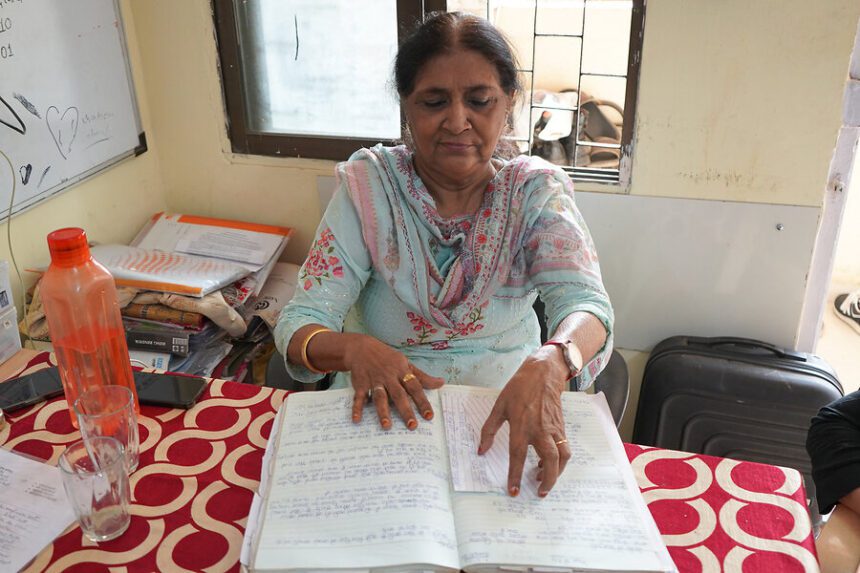
In the heart of Mumbai, the BMMA serves as a sanctuary for Muslim women confronting legal injustices. These women often suffer from practices like “triple talaq,” a method of instant divorce that leaves them vulnerable. Many face obstacles when pursuing their rights, such as being denied inheritances or child custody, falling through the gaps of an uncodified legal system that offers little protection.
The Indian legal framework permits various religious communities to handle their family laws independently, creating a patchwork of regulations that are often inconsistent. This lack of codification in Muslim personal law particularly endangers women, as interpretations can vary significantly among clerics, family members, and law enforcement officers.
The Fight for Codification
The BMMA argues that codifying Muslim personal law is essential for ensuring justice and accountability. Noorjehan Safiya Niaz, co-founder of the BMMA, notes that earlier efforts focused on the criminalization of “triple talaq,” which occurred in 2019, but the fight has since expanded to include issues like polygamy. The group predicates its advocacy on the belief that a clear legal framework would empower women and hold law enforcement accountable.
Despite the progress made in criminalizing practices deemed discriminatory, women like Tasleem Mohsin Saliq illustrate the ongoing challenges. Saliq’s husband abandoned her after marrying a second wife, and despite being six months pregnant, the divorce was validated by a cleric, showing the precarious position of women under current laws. The BMMA emphasizes that without a comprehensive legal code, efforts to protect rights remain fragmented and ineffective.
The Uniform Civil Code: Promise or Peril?
The call for a Uniform Civil Code (UCC) has intensified in recent years, igniting fierce debates among politicians, activists, and community leaders. While some view the UCC as a necessary reform for ensuring equal rights across religious communities, others, especially within the Muslim community, perceive it as a threat to their religious identity and practices.
Activists argue that the government’s push for a national code often lacks engagement with affected communities, which could lead to further marginalization of Muslim women. States like Uttarakhand and Gujarat have begun implementing UCCs, raising concerns about the genuine protection of women’s rights within these frameworks. Experts warn that adopting such laws without adequate consultation can deepen existing disparities and reinforce state control over personal lives.
Why It Matters
The current debate over personal laws and the UCC has significant implications for India’s Muslim minority, which numbers over 200 million and faces systemic inequalities. The challenges expressed by organizations like the BMMA serve as a lens through which the complexities of religious freedom, women’s rights, and state power can be understood. The outcomes of these discussions will likely set precedents for governance and civil liberties that resonate beyond India.
Frequently Asked Questions
What is triple talaq?
Triple talaq is a practice that allows a Muslim man to divorce his wife instantly by stating the word “talaq” three times. It was criminalized in India in 2019 after public outcry and legal challenges.
What is the Bharatiya Muslim Mahila Andolan (BMMA)?
The BMMA is an advocacy group in India that works for the rights of Muslim women, focusing on legal reform, education, and community support.
What is the Uniform Civil Code (UCC)?
The UCC is a proposal to replace personal laws based on the scriptures and customs of each major religious community in India with a common set governing every citizen. Its implementation has been contentious and debated in terms of its effects on religious freedoms.
How are Muslim women’s rights currently protected in India?
Without a comprehensive legal framework, Muslim women’s rights are often dictated by uncodified personal laws, which can lead to significant vulnerabilities in matters of marriage, divorce, inheritance, and custody.