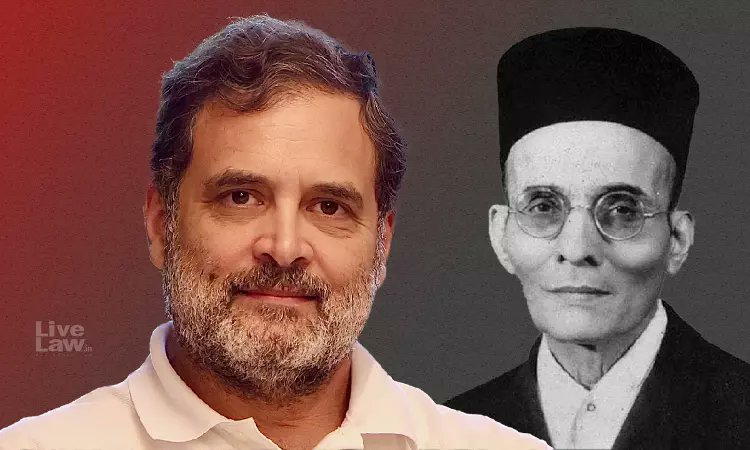

The recent court testimony of Satyaki Savarkar, the grandnephew of Vinayak Damodar Savarkar, has stirred controversy by claiming that Savarkar filed ten mercy petitions to the British. This assertion stands in stark contrast to the ideals of other Indian revolutionaries, such as Bhagat Singh, who refused to compromise their principles.
Context of the Testimony
Satyaki Savarkar’s deposition was made during a defamation case against Congress leader Rahul Gandhi. The case arose after Gandhi made remarks about Savarkar’s legacy, specifically questioning his patriotism. In his testimony, Satyaki claimed that Savarkar’s actions during the freedom struggle were misinterpreted and that his petitions for mercy were part of a broader strategy to navigate the perilous political climate of the time.
Historical Background of Savarkar’s Actions
Vinayak Damodar Savarkar, an influential figure in Indian nationalism, is often a subject of heated debate. His legacy includes both his early advocacy for revolutionary tactics against British rule and his later political activities which some critics argue leaned towards appeasement. His ten petitions for mercy, filed while he was imprisoned, have been viewed variously as attempts for personal escape from the harsh realities of colonial prisons or as calculated moves to engage with the British in a dialogue that could benefit the Indian independence movement. Satyaki’s defense is positioned to reshape the public’s perception of Savarkar within the broader historical narrative.
Bhagat Singh and Compromise
Contrasting Savarkar’s approach, Bhagat Singh and his comrades are celebrated for their unequivocal stance against British rule and their willingness to face death rather than seek mercy. Singh’s philosophy was that true patriotism required sacrifice, and thus his refusal to appeal to British mercy is often seen as a hallmark of his revolutionary fervor. This analysis, magnified by Satyaki Savarkar’s remarks, raises questions about the various paths to independence taken by different leaders and their implications on the Indian political ethos.
Why This Matters
The implications of Satyaki Savarkar’s testimony extend beyond the courtroom. They touch upon ongoing debates regarding the authenticity of historical narratives in India, especially concerning leaders who embody divergent views on nationalism. As India continues to grapple with its colonial past, the interpretations of figures like Savarkar influence contemporary political discourses and party ideologies. Moreover, as Rahul Gandhi faces legal challenges related to his criticism, this testimony could impact public perceptions and party strategies leading into future elections.
Frequently Asked Questions
What did Satyaki Savarkar say in court?
Satyaki Savarkar claimed that his granduncle filed ten mercy petitions while other revolutionaries, like Bhagat Singh, refused to compromise their ideals in the fight for India’s freedom.
Why are Savarkar’s petitions controversial?
Savarkar’s petitions are seen by some as a sign of compromise, while others argue they were strategic efforts to engage a colonial power for the greater good of India’s independence movement.
What is the historical significance of Bhagat Singh’s approach?
Bhagat Singh’s refusal to seek mercy is celebrated as a testament to his commitment to revolutionary ideals and patriotism, contrasting sharply with Savarkar’s tactics.
How does this testimony affect political discussions today?
The testimony reopens discussions about the legacy of Indian nationalists and can influence contemporary political debates, particularly among parties with differing views on nationalism and historical figures.