
The recent trend of “Boycott Himalaya” has emerged from the right-wing ecosystem following the revelation that the popular health and wellness brand holds a Halal certificate. This movement has sparked discussions about religious discrimination, particularly targeting Muslim-owned businesses, and highlights ongoing tensions surrounding halal products in India.
Understanding the Boycott Movement
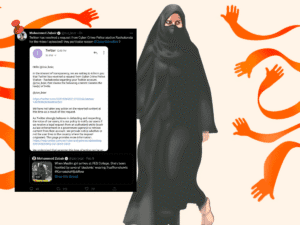
The campaign to boycott Himalaya began after right-wing groups in Karnataka harassed Muslim vendors selling halal-certified products. They circulated Himalaya’s Halal certificate online, claiming that the brand should be avoided due to its Muslim ownership. This effort was amplified by various right-wing influencers and trolls across social media, particularly on platforms like Twitter.
Prominent figures, such as actor Paresh Rawal, supported the boycott on social media by sharing the hashtag #BoycottHimalaya. Despite the campaign’s focus on Himalaya’s ownership, fact-checking revealed that a significant majority of the company’s leadership is non-Muslim, with nine out of ten executives being Hindus, undermining the rationale for the boycott.
Background of the Halal Debate
Halal certification plays an important role in the export of various products, especially within the food and cosmetics industries. Well-known companies such as Adani and Reliance also possess Halal certificates, demonstrating that this form of certification is widespread and not confined to Muslim-owned businesses alone. Critics of the boycott argue that targeting Himalaya for its Halal certification when many other companies share similar credentials is hypocritical and driven by religious animosity.
Himalaya was founded by M. Manal with the aim of modernizing traditional Ayurvedic practices, and the company has expanded its reach globally, offering products in over 68 countries. The leadership includes seasoned professionals from diverse backgrounds, and the inclusion of Nabeel Manal—who belongs to the founding family—does not define the entire organization’s culture or practice.
Escalation of Harassment Against Muslims
On the ground, right-wing groups in Karnataka have actively targeted meat vendors selling halal products. Recently, seven members of the Bajrang Dal were arrested for assaulting halal meat vendors in the Shivamogga district, reflecting a growing trend of intimidation against the Muslim community regarding their right to sell halal meat. This harassment does not only exist in the marketplace; reports indicate that restaurants and hotels serving halal food have also been targeted, leading to violence against patrons and staff alike.
Authorities, including Karnataka’s Home Minister, have made statements that seem to embolden these groups, calling for actions against those who do not conform to their ideological stance on Halal certification. The ongoing tension suggests that these incidents are not merely isolated but part of a broader strategy to marginalize minority communities and disrupt their economic livelihoods.
Why This Matters
The “Boycott Himalaya” trend and the surrounding incidents are part of a larger narrative concerning religious intolerance and the polarization of Indian society. These actions reflect battles over identity, economic power, and social acceptance, particularly between Hindu and Muslim communities. Boycotting products based solely on religious affiliations threatens the principle of secularism in India and raises concerns about the implications for businesses owned by minorities.
As India grapples with these divisions, the impacts on economic participation, social cohesion, and communal harmony become more pronounced. This movement sheds light on the need for renewed discussions around tolerance and respect for diversity in a country known for its pluralism.
Frequently Asked Questions
What is a Halal certificate?
A Halal certificate indicates that a product meets specific Islamic dietary guidelines. It is essential for businesses that sell food or products consumed by Muslim customers.
Why are right-wing groups boycotting Himalaya?
The boycott is primarily driven by the company’s Muslim ownership and its Halal certification, which some groups view as incompatible with their beliefs.
What actions have been taken against Muslim vendors?
There has been a documented increase in harassment and violence directed towards Muslim vendors in Karnataka, particularly targeting those selling halal meat products.
How has the government responded to the boycott and violence?
While some police actions have resulted in arrests, governmental rhetoric from local leaders has at times appeared to tacitly support the actions of right-wing groups against halal products.