
Summary
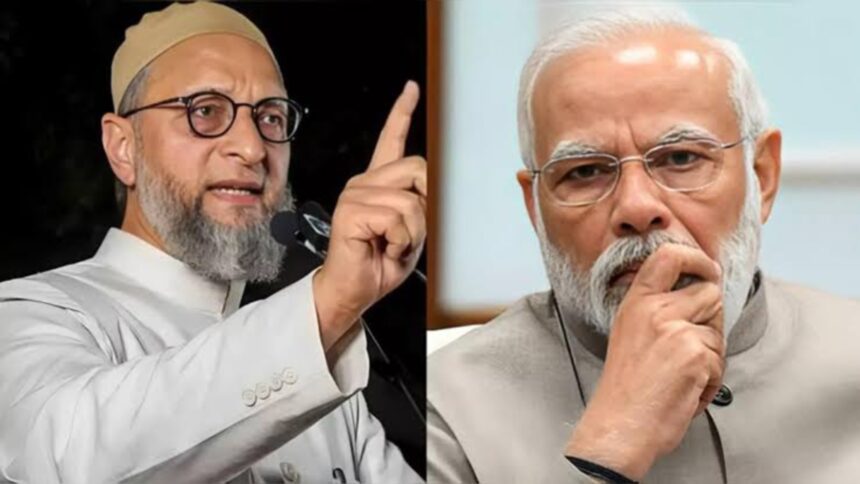
The recent death of three Indian seafarers in a U.S. military strike off the coast of Oman has ignited sharp criticism from Asaduddin Owaisi, the chief of the AIMIM party. He has accused the BJP-led central government of failing to protect its citizens abroad, particularly highlighting Prime Minister Narendra Modi’s silence on the matter. This incident raises significant questions about the safety of Indian nationals abroad and the government’s accountability in international relations.
Government’s Response Under Scrutiny
Following the tragic incident, Asaduddin Owaisi expressed his deep sorrow on X, emphasizing that protecting Indian lives should be the foremost duty of the government. “Saving the lives of Indians is the first duty of the government. It is sad and distressing that the prime minister has time for celebrations but not for condemning the US military for killing Indians,” he stated. This criticism reflects a growing sentiment among some political leaders who perceive a disconnect between the Indian government’s public engagements and essential diplomatic responsibilities.
Failure to Safeguard Indian Nationals
Owaisi further alleged that the Modi government has consistently failed to protect Indian citizens abroad. He highlighted reports of Indians reportedly being recruited by Russia for military service, asserting that the government has not taken adequate steps to prevent such occurrences. The implications of this claim are severe; if true, it signifies systemic failures in safeguarding Indian nationals, particularly in regions of geopolitical tension.
Congress’s Challenges in Handling International Relations
Moreover, Owaisi criticized the government’s handling of sensitive issues involving China, particularly the Galwan Valley clash. He pointed out that there appears to be an effort to avoid discussions about China in public discourse and cultural representations. “As a country, we deserve better than this,” he asserted, underscoring a larger concern regarding transparency and accountability in dealing with international conflicts.
Why It Matters
The situation highlights pressing concerns related to the safety of Indian citizens abroad and the efficacy of the Indian government’s foreign policy. In a globalized world, the protection of nationals in foreign lands is a crucial duty for any government. The criticism from Owaisi raises questions about how well the current administration is performing this duty. If the government’s ability to ensure the safety of its citizens is compromised, it could lead to loss of trust among the populace and potential international repercussions. Furthermore, these events could influence India’s international standing, affecting its relationships with both military powers and nations where Indian nationals reside or work.
Frequently Asked Questions
What happened to the Indian seafarers off the coast of Oman?
Three Indian seafarers died as a result of a U.S. military strike on a commercial vessel near Oman.
What is Asaduddin Owaisi’s criticism of the Indian government?
Owaisi has criticized the government for its failure to protect Indian citizens abroad, especially following the incident involving the seafarers, and for being silent on U.S. military actions that have caused Indian deaths.
How has the Indian government responded to the incident?
India has confirmed the attack on the vessels with Indian crew members and has raised the matter strongly with Washington.
What broader issues are being raised in this context?
Owaisi has raised concerns about the government’s ability to safeguard Indian nationals abroad and its handling of international relations, particularly with China.