
Fighting has escalated in Lebanon as Israeli forces launch aggressive attacks targeting Hezbollah amid a backdrop of potential diplomatic negotiations involving the United States and Iran. Recent military actions have resulted in casualties, stirring international concern and escalating tensions in the region.
Intensified Conflict in Lebanon
On Saturday, fierce clashes erupted in Lebanon, coinciding with mounting hopes that ongoing discussions between the United States and Iran might lead to a peaceful resolution not only in Iran but also in Lebanon. Israeli forces conducted a raid that resulted in the death of a mayor in the southern Lebanese town of Al-Rihan. The assault was marked by heavy gunfire in various districts, illustrating the volatility of the situation.
In a retaliatory move, Hezbollah, an Iranian-backed militant group, targeted Israeli troops positioned at different locations. Reports indicate that these exchanges have led to significant casualties, with local agencies stating that at least two additional fatalities occurred due to separate Israeli airstrikes. The Israeli military’s campaign included attacks on multiple towns, impacting both military and civilian sites.
Casualties and Military Claims
The Israeli military has reported significant strikes against Hezbollah infrastructure, claiming to have targeted over 70 sites within 24 hours. Meanwhile, Hezbollah has publicly taken responsibility for numerous attacks on Israeli posts, highlighting their ongoing resistance. The conflict’s toll on Lebanese civilians has been severe, with reports indicating that over 3,700 fatalities and over 11,600 injuries have occurred since early March.
The humanitarian implications of these military actions are critical. As civilian regions are pummeled by airstrikes, the population grapples with the dire consequences of ongoing warfare. Israeli military officials, in contrast, maintain their stance of addressing perceived threats from both near and distant adversaries, signaling that this cycle of violence may persist.
Geopolitical Implications
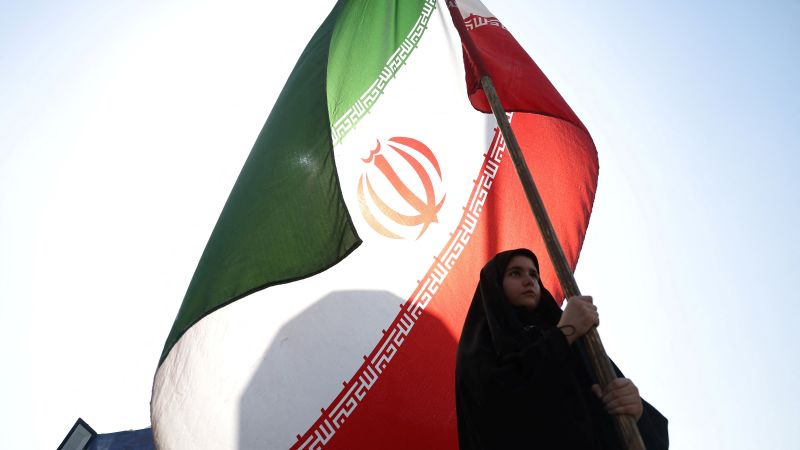
The overarching geopolitical landscape is further complicated by Tehran’s insistence on a ceasefire as a precondition for any agreement with Washington. Iranian Foreign Minister Abbas Araghchi has emphasized that the terms of the yet-to-be-signed memorandum with the US should include provisions for Lebanon, urging that stability in the region hinges on a comprehensive agreement.
Israeli Defense Minister Israel Katz has countered these diplomatic overtures by asserting that Israeli forces will not withdraw from occupied territories. This hardline approach raises questions about the feasibility of achieving lasting peace in the area, as military tensions remain high and prospects for dialogue appear uncertain.
Why This Is Trending
Indians are increasingly interested in this topic due to its implications on global security and regional stability in the Middle East. With India’s historical ties to both Iran and Israel, the evolving dynamics of this conflict resonate deeply with Indian audiences. Additionally, the potential for increased oil prices and the humanitarian crisis’s impact on global politics makes this ongoing conflict highly relevant for those following international relations.
Frequently Asked Questions
What initiated the current conflict between Israel and Hezbollah?
The conflict has intensified primarily due to Israeli military actions targeting Hezbollah, a militant group backing Iran, amid broader geopolitical tensions involving US-Iran relations.
What are the casualty figures in this ongoing conflict?
As of the latest reports, Israeli attacks have resulted in over 3,700 deaths and 11,600 injuries in Lebanon since March, according to the Lebanese Ministry of Public Health.
Is there a possibility of a diplomatic resolution?
While diplomatic negotiations are ongoing between the US and Iran, the Israeli government insists on maintaining military pressure on Hezbollah, indicating that a resolution may be challenging to achieve.
What is Hezbollah’s role in the conflict?
Hezbollah is a militant group supported by Iran, known for its resistance against Israeli forces. They have publicly declared their involvement in retaliatory attacks against Israel, exacerbating the conflict.