
The tragic murder of Neha Hiremath, a student at KLE Technological University, has ignited significant protests across Karnataka, with widespread calls for capital punishment for her assailant. This incident has garnered attention from various community leaders, particularly from the Muslim community, demanding justice for Neha and accountability for the perpetrator, Fayaz.
Background of the Incident
On April 18, Neha Hiremath was brutally murdered by Fayaz while on the university campus in Hubballi. Details about the incident remain distressing, as the tragedy marks a severe loss for both her family and the academic community. Fayaz, identified as a resident of Munavalli near Savadatti in Belagavi, was arrested shortly after the murder and has since been placed in judicial custody for 14 days. Despite his arrest, public outrage persists, highlighting broader societal concerns regarding safety on educational campuses.
Community Response and Protests
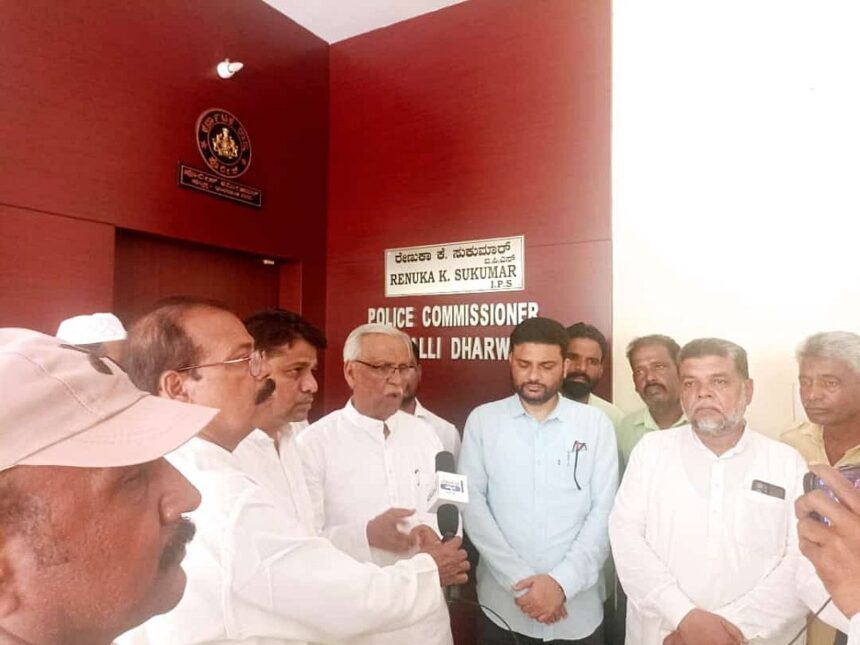
In the aftermath of Neha’s death, protests have erupted, particularly in her hometown, where individuals from various backgrounds gathered to voice their condemnation of the murder. The Anjuman-E-Islam, a prominent organization representing the local Muslim community, has taken a firm stance against the violence, publicly denouncing the act and requesting severe punishment for the accused. A memorandum was submitted to the Hubballi Dharwad Police Commissioner, emphasizing the need for a fair investigation devoid of political or caste influences. This response highlights the collective grief and anger within the community, resonating across different societal groups.
Call for Justice
The demands for justice have escalated, with community leaders calling on Karnataka Chief Minister Siddaramaiah to ensure that the accused faces the most stringent penalties. The memorialization of Neha transcends her identity as a student; it reflects a deeper urgency for protective measures in educational environments. The statement from Anjuman-E-Islam articulated a desire for justice not only for Neha’s family but also for the broader societal need for safety and accountability. The public and political response reflects a growing intolerance towards gender-based violence and the imperative for systemic change regarding safety measures in academic institutions.
Why This Matters
The murder of Neha Hiremath resonates with ongoing discussions about women’s safety in India. Her death has prompted public discourse about the protection of students on campuses, underscoring the inadequacies in current security protocols. This incident has compelled both community members and political leaders to engage actively with the issue of violence against women, urging for policy reforms and increased vigilance in educational settings. Neha’s case could become a pivotal moment in galvanizing public opinion and political action aimed at reducing gender-based violence and improving safety standards across India.
Frequently Asked Questions
Who was Neha Hiremath?
Neha Hiremath was an MCA student at KLE Technological University in Hubballi, tragically murdered on April 18.
Who is Fayaz and what happened to him?
Fayaz is the accused in Neha’s murder case. He has been arrested and placed in judicial custody for 14 days.
What actions have been taken by the community in response to Neha’s murder?
Various protests have been organized, with community leaders calling for severe punishment for the accused and an impartial investigation. A memorandum has been submitted to the local police commissioner to demand justice.
Why is this incident significant for women’s safety in India?
The murder raises critical concerns about the safety of women in educational institutions and has sparked a broader discussion about the need for improved protective measures and accountability against gender-based violence in society.