
Demolition of Noorani Mosque Sparks Controversy in Jaipur
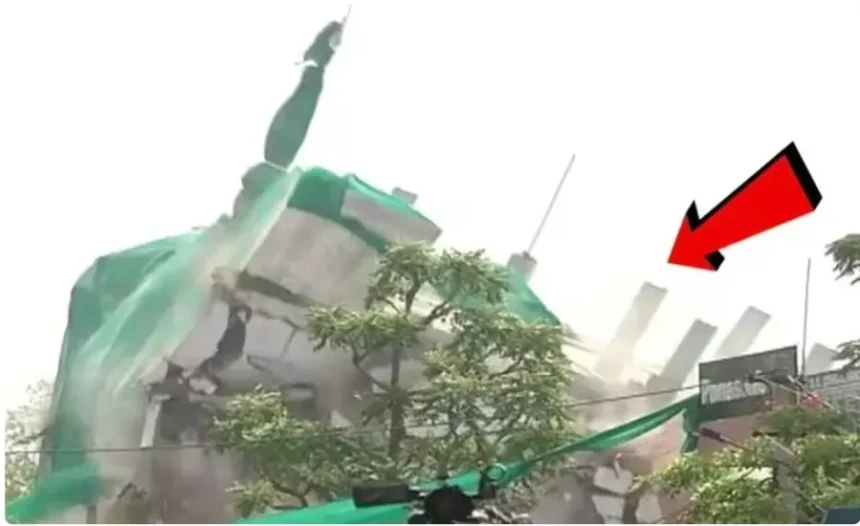
The recent demolition of Noorani Mosque in Jaipur, Rajasthan, has incited significant backlash from Muslim organizations and community leaders, who contend that the act was executed unlawfully despite pending legal proceedings. While the Jaipur Development Authority (JDA) labels the demolition as essential for a road-widening initiative aimed at improving traffic flow, many believe it reflects a broader pattern of discrimination and marginalization faced by the Muslim community in India.
Allegations of Legal Overreach and Community Discontent
The demolition occurred along the Malviya Nagar-Jagatpura corridor as part of a planned infrastructure project. The JDA stated that several structures, including the mosque and other religious sites, were removed to facilitate road expansion. However, representatives from the mosque committee argue that valid documents exist and that the dispute was pending resolution before the Waqf Tribunal.
Local Muslim leaders have expressed their disappointment, labeling the action as unjust. “A hearing was due shortly. The authorities should have waited for the legal process to conclude before taking such a serious step,” said a mosque committee member. This incident is seen not merely as a civic action but as part of a larger narrative of social exclusion and marginalization faced by minority communities in the region.
Community Response and Call for Protests
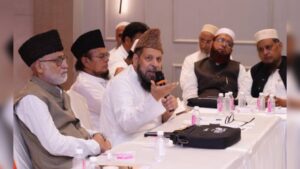
The demolition has ignited outrage among various Muslim organizations in Jaipur, prompting calls for protests and public demonstrations. Community leaders have encouraged worshippers to wear black armbands during Friday prayers to signify their dissent. They argue that such actions reflect a disregard for religious sentiments and foster a sense of alienation among minorities.
“If our concerns are not addressed, the protest campaign could expand into a larger public movement,” cautioned a leader from the local Muslim community. The growing anger highlights the delicate balance that needs to be struck between urban development and the protection of community sanctuaries. Many residents have voiced that discussions with community representatives could have yielded alternative solutions that respect both civic infrastructural needs and religious significance.
Government’s Justification and Broader Implications
The JDA has firmly defended its actions, asserting that the demolition was part of a long-planned road-widening effort to alleviate traffic congestion in one of Jaipur’s rapidly developing areas. Officials maintain that the road was intended to be 80 feet wide, but encroachments had restricted its actual width, creating significant safety hazards. They emphasize that the operation was not targeted at any specific community, as multiple religious sites were also affected.
Nevertheless, critics argue that such a rationale fails to address the historical dynamics of communities impacted and the sensitivity required when dealing with places of worship. Legal experts have pointed out that the intersection of development and religion often leads to highly contentious situations, emphasizing the need for transparency and dialogue in such matters.
Why It Matters
The demolition of Noorani Mosque exemplifies the ongoing tensions between urban development initiatives and the cultural and religious rights of minority communities in India. Whether the issues surrounding this incident escalate into broader public protests or legal contests remains to be seen. For local communities, the removal of a place of worship symbolizes the erosion of cultural heritage and raises critical questions about the inclusivity of civic planning. The implications of this incident extend beyond Jaipur, signaling warning signs for diverse communities across India facing similar threats to their religious sites and communal identities.
Frequently Asked Questions
What was the reason for the demolition of Noorani Mosque?
The Jaipur Development Authority carried out the demolition as part of a road-widening project intended to alleviate traffic congestion in the area, removing structures that obstructed the planned road expansion.
What legal proceedings were pending before the demolition?
Members of the mosque committee claim that valid documents existed and that the matter was pending before the Waqf Tribunal, with a hearing scheduled shortly after the demolition.
How has the local Muslim community responded to the demolition?
The local Muslim community has expressed strong objections, organizing protests and calling for solidarity among worshippers by wearing black armbands during prayers as a form of dissent.
What are the implications of this incident for urban development in India?
The incident raises critical concerns about the balance between necessary urban infrastructure development and the rights of minority communities to preserve their religious and cultural sites, highlighting the need for inclusive dialogue and community engagement in civic planning.