
Task Force Formation to Support Muslim Community in Maharashtra
A coalition of Muslim organizations and community leaders in Maharashtra has announced the establishment of a task force aimed at addressing hate crimes and supporting the Muslim community. This initiative comes in response to increasing communal tensions and legislative actions perceived as discriminatory, such as the Maharashtra Freedom of Religion (Anti-Conversion) law and the proposed Uniform Civil Code (UCC).
A Collective Response to Growing Concerns
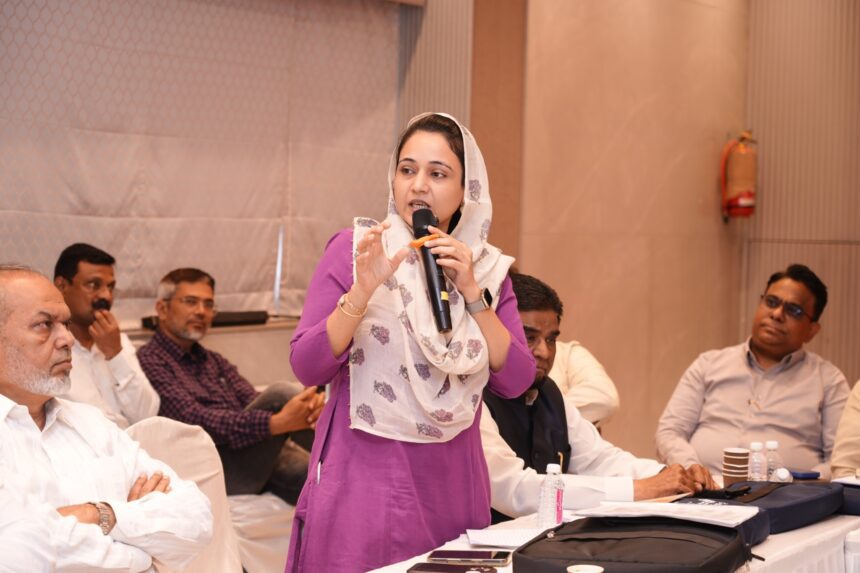
During a consultative meeting on June 8 at Mumbai’s Islam Gymkhana, prominent stakeholders, including Muslim legislators and legal experts, convened to discuss pressing issues affecting the community. Jamaat-e-Islami Maharashtra president Maulana Ilyas Khan Falahi highlighted the urgency of extending immediate support to victims of hate crimes, ensuring timely assistance, and promoting a coordinated community response.
This task force is not merely a reaction to current events; it aims to develop a long-term 10-year action plan to tackle systemic challenges faced by the Muslim community. Participants emphasized that the initiative seeks sustainable solutions rather than serving as a confrontation against any government or political entity, underscoring its commitment to constitutional and democratic values.
Addressing Legal and Social Challenges
Key topics discussed during the meeting included the effects of hate speech and crimes on the community, the implications of the anti-conversion legislation, and the proposed UCC. Participants voiced concerns about rising communalism and discrimination at administrative levels. Dolphy D’Souza from the Justice and Peace Commission noted that the task force will not only provide immediate assistance but also launch awareness campaigns aimed at reducing communal tensions and enhancing legal literacy among community members.
The resolutions adopted included a call for the withdrawal of the Maharashtra anti-conversion law and a reminder for minority communities to remain vigilant, particularly regarding their representation on electoral rolls.
High-Profile Attendance and Engagement
The meeting saw participation from key figures, including former judges and current Members of the Legislative Assembly (MLAs), such as Amin Patel and Sajid Pathan, who echoed the sentiments of collective action and support. The discussions also stressed the need to uphold minority rights within India’s democratic framework.
Former Bombay High Court judge Abhay Thipsay and former Rajya Sabha member Obaidullah Khan Azmi emphasized the necessity for legal support mechanisms tailored to the unique challenges faced by the Muslim community, reinforcing the objective of fostering unity and collaboration in the face of adversity.
Why It Matters
This initiative signifies a crucial step towards addressing systemic discrimination and social exclusion faced by the Muslim community in India. The establishment of a task force dedicated to hate crime victim assistance and community education is indicative of a growing awareness among minority groups regarding their rights and the importance of advocacy. Moreover, such collective action reflects a broader trend of marginalized communities seeking to organize and respond to perceived threats against their identities and rights. Understanding these dynamics could provide insights for policymakers, social activists, and community leaders globally.
Frequently Asked Questions
What is the primary goal of the newly formed task force in Maharashtra?
The primary goal of the task force is to provide immediate assistance to victims of hate crimes and to develop a coordinated community response to ongoing social and legal challenges faced by the Muslim community.
What issues were discussed at the Islam Gymkhana meeting?
Key issues included hate crimes, hate speech, the Maharashtra Freedom of Religion (Anti-Conversion) law, the proposed Uniform Civil Code (UCC), and the formulation of a long-term action plan to address community challenges.
Who attended the meeting and what are their roles?
The meeting was attended by various stakeholders, including Muslim legislators, former judges like Abhay Thipsay, and social activists. Their collective expertise aims to strengthen the community’s legal and social standing.
What resolutions were adopted during the meeting?
Among the key resolutions was a call for the withdrawal of the anti-conversion law, alongside a push for minority communities to ensure their representation on electoral rolls.