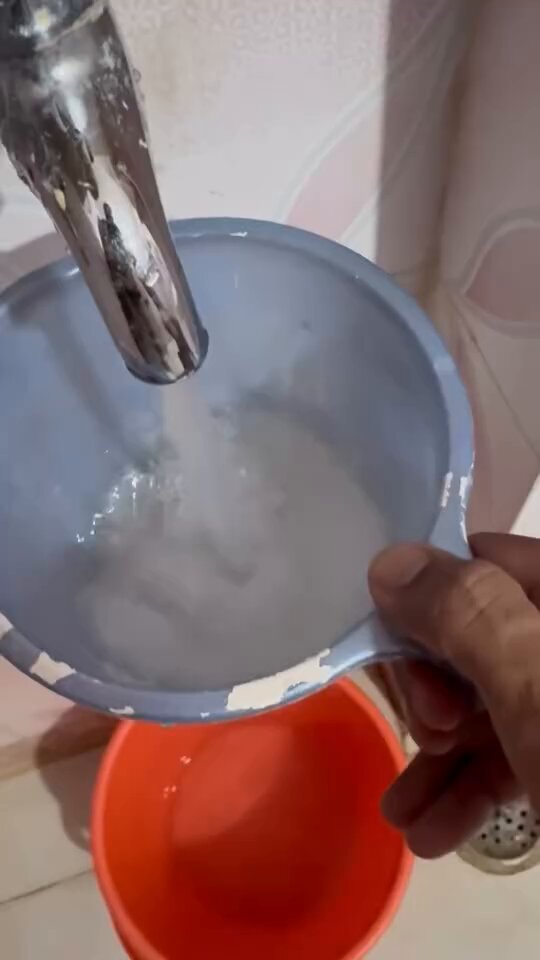

Recent public discourse has revealed accusations regarding the management of water resources in Delhi. Critics assert that former practices during the BJP’s opposition have now been leveraged to tarnish the reputation of the existing BJP government, as highlighted by various social media posts from residents experiencing the city’s water issues.
Context of the Claims
The tweet shared by Ratna Singh captures the discontent of Delhi residents regarding the quality of tap water in Janakpuri, a prominent area in the capital. Singh points out that the city’s current residents are facing numerous challenges, including polluted air, insufficient access to clean water, and an overall decline in quality of life. The implications of such conditions can have far-reaching consequences for public health and civic satisfaction.
Previous Accusations and Current Response
The discourse around water management has a long and complicated history in India, particularly in metropolitan areas like Delhi, where water supply systems often struggle to meet the high demands of the population. When the BJP was in opposition, there was significant critique of the governing bodies for their failure to manage these resources effectively. Now, following reports of foul-tasting and contaminated tap water, some commentators are suggesting that those who had previously criticized the government are now revisiting these grievances to discredit it further.
The Political Landscape
The BJP has been in power in Delhi, both at the central and state levels, and has faced scrutiny from several factions, including local parties and activist groups. The mention of water shortages and pollution not only addresses immediate public health concerns but also reflects broader political strategies aimed at holding the regime accountable for unfulfilled promises. The ongoing debates stem from the disparity between development claims made by politicians and the reality many residents experience daily.
Why This Matters
The implications of water management issues in Delhi extend beyond individual grievances, encompassing larger political narratives surrounding governance and public trust. Water scarcity and quality have become critical electoral issues, especially as urban environmental challenges become more pronounced. For voters, especially in urban centers, the ability of the current government to address these pressing needs is indicative of its overall performance. As citizens grow more vocal about their discontent, the potential for political shift becomes a pressing topic in the lead-up to future elections.
Frequently Asked Questions
What are the main concerns voiced by residents about water quality in Delhi?
Residents are particularly concerned about the pollution levels in tap water, often reporting foul smells and unclear substances, which can pose health risks. The deteriorating quality of life due to insufficient and contaminated water supply has drawn significant public attention.
How has the BJP responded to these allegations?
While the BJP has raised concern over the accusations being politically motivated, they have also committed to improving water infrastructure and ensuring quality standards are met. However, many residents remain skeptical about these promises.
What has been the political impact of these water quality issues?
The ongoing water crisis in Delhi has prompted various political factions to leverage the situation to critique the BJP’s governance. As urban issues gain prominence, water management becomes central to electoral strategies and voter mobilization, influencing public sentiment and possible outcomes in upcoming elections.
Why do accusations about water management matter in an election context?
Accusations about ineffective water management serve as a litmus test for the government’s overall performance. In urban settings like Delhi, where infrastructure is often under scrutiny, these issues can sway public opinion and impact voter turnout, ultimately affecting election results.